
Forging the Blade of Indus: In conversation with Iksa Studio
Some studios begin with decks and deadlines.
IKSA Studios is shaped by curiosity, enthusiasm, long friendships, and what its Creative Director & Co-Founder, Soham Chakraborty, calls “the perfect storm.”
Named after the Sanskrit word īkṣā, meaning vision, Iksa is less a company and more a way of seeing - one that now finds its clearest expression in Blade of Indus, a narrative-driven historical fantasy game rooted in one of the world’s oldest yet most enigmatic civilizations.
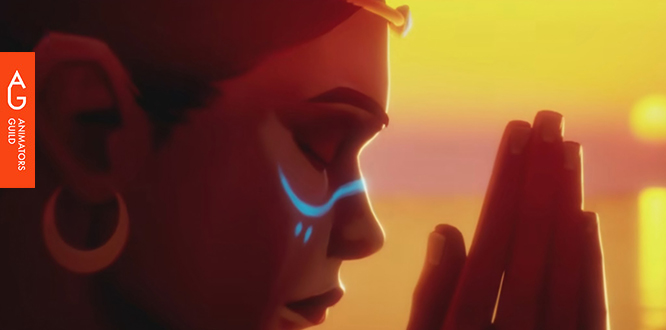
The first Visual test of Blade of Indus
For Soham Chakraborty, Co-Founder and Creative Director, the road to Blade of Indus began long before games. “I come from an animation and filmmaking background,” he says, trained at Gobelins in Paris and shaped by years working across European studios like Fost, Cartoon Saloon, and Passion Pictures.
Graduation Film - In Orbit( 2019) by Soham, Hanxu, Meton, Justin and Joules
But parallel to formal education ran something older and more instinctive.
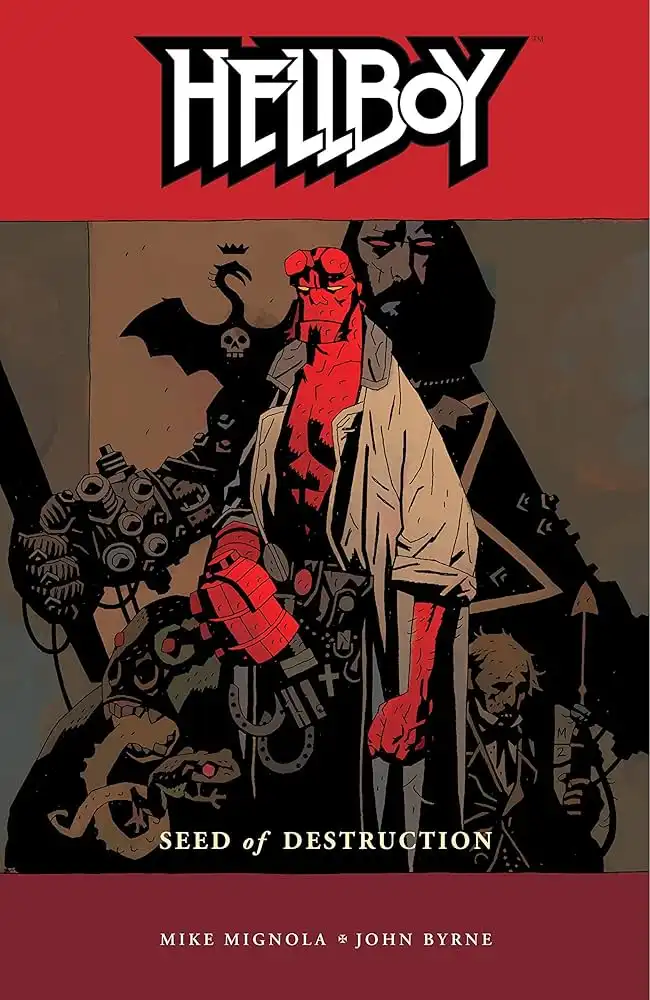
“I’ve always been fascinated by comics throughout my life”
He says,”Creators like Moebius, Mike Mignola, Robert Valley and many other legends. That’s really where my love for visual storytelling began.”
The studio, however, didn’t emerge from ambition alone. In April 2022, after returning home following a long stretch abroad, Soham suffered a major quadriceps injury. “I couldn’t walk for two months,” he recalls. Work continued, but under very different circumstances.
“I was working with a plastered leg and a very distressed mind, and that’s when my childhood friend Deb walked in with the idea of starting a studio.”
What followed felt less like a plan and more like inevitability.
“That spark came at the exact moment I needed it.”
One call went out to Mriganka Bhuyan in Paris - an immediate yes. Saikat Roy, with a background in games, joined next. Deepak Chandramohan followed soon after.
“Looking back, it was the perfect storm; everything aligned at the right time.”
At its core, Iksa was built around a question that still guides every creative decision today.
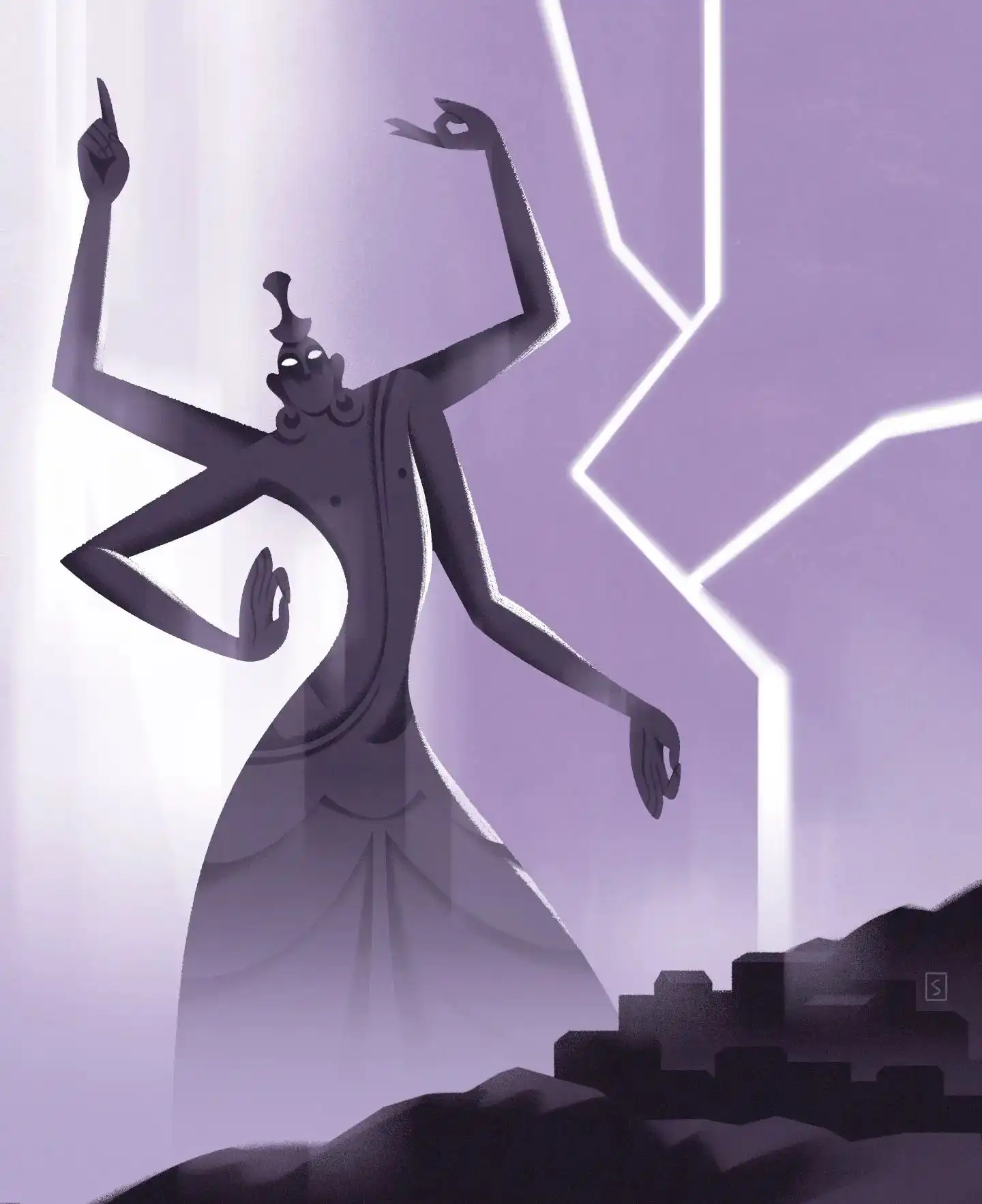
Illustration of Indra by Soham Chakraborty
“How do we take stories rooted in Indian heritage and present them to the world with top-tier craft?”
The answer, for the team, lies in hybridity - cinema meeting gameplay, traditional animation sensibilities blending with real-time engines.
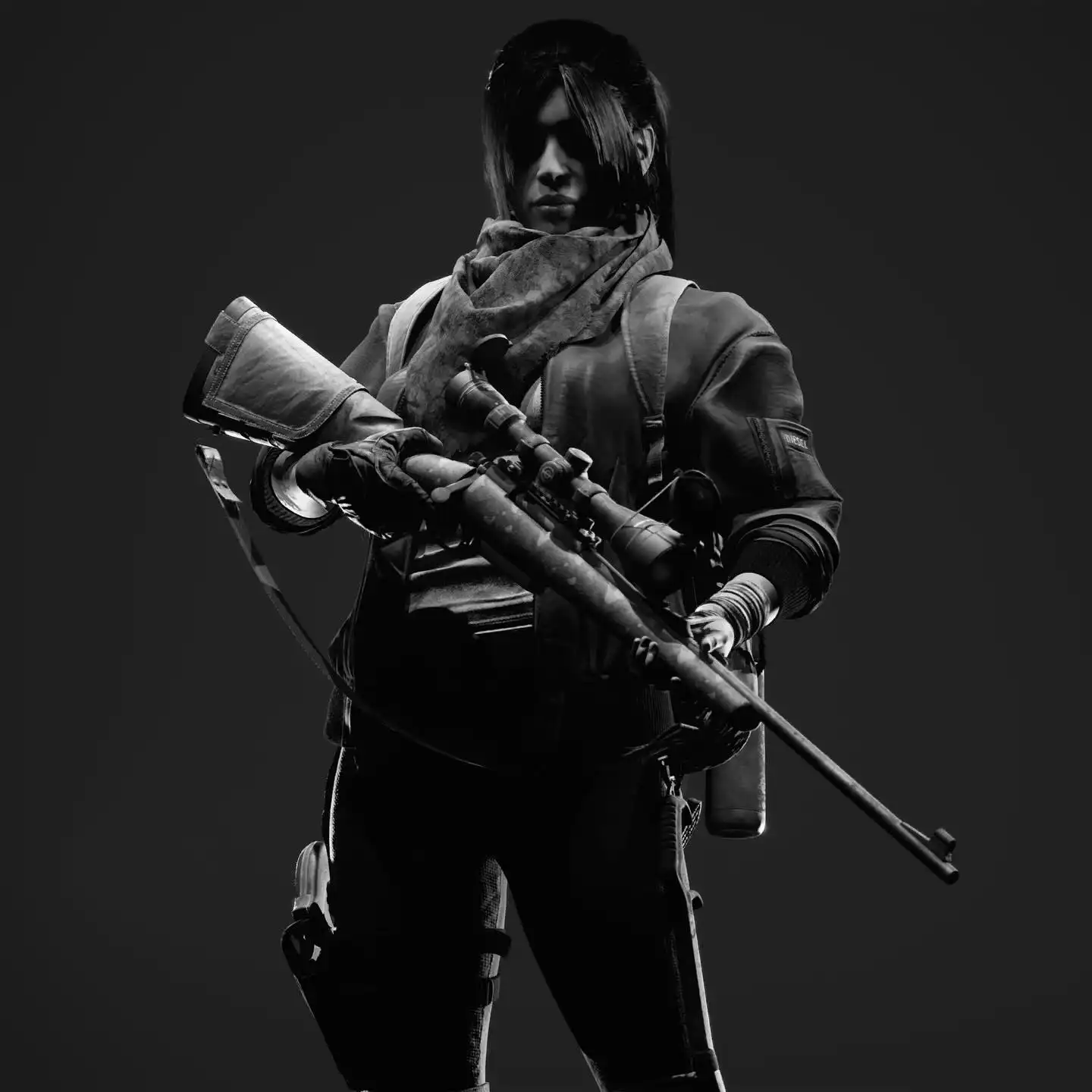
Apocalyptic Survivor - a Realtime game-ready character rendered in Marmoset Toolbag by Iksa Studio
“We’re building a next-generation gaming and animation studio that sits at the intersection of cinema, storytelling, and interactive worlds,”
“We genuinely believe the future of storytelling is hybrid, dynamic, and alive,” Soham says.
Blade of Indus did not arrive as a fully formed epic.
“The earliest concept didn’t begin with a single grand idea - it started with a shared fascination,”
That fascination was the Indus Valley Civilization: ancient, sophisticated, and still largely unknown. “It’s one of the world’s oldest cultures, yet still one of the least explored in popular media.”
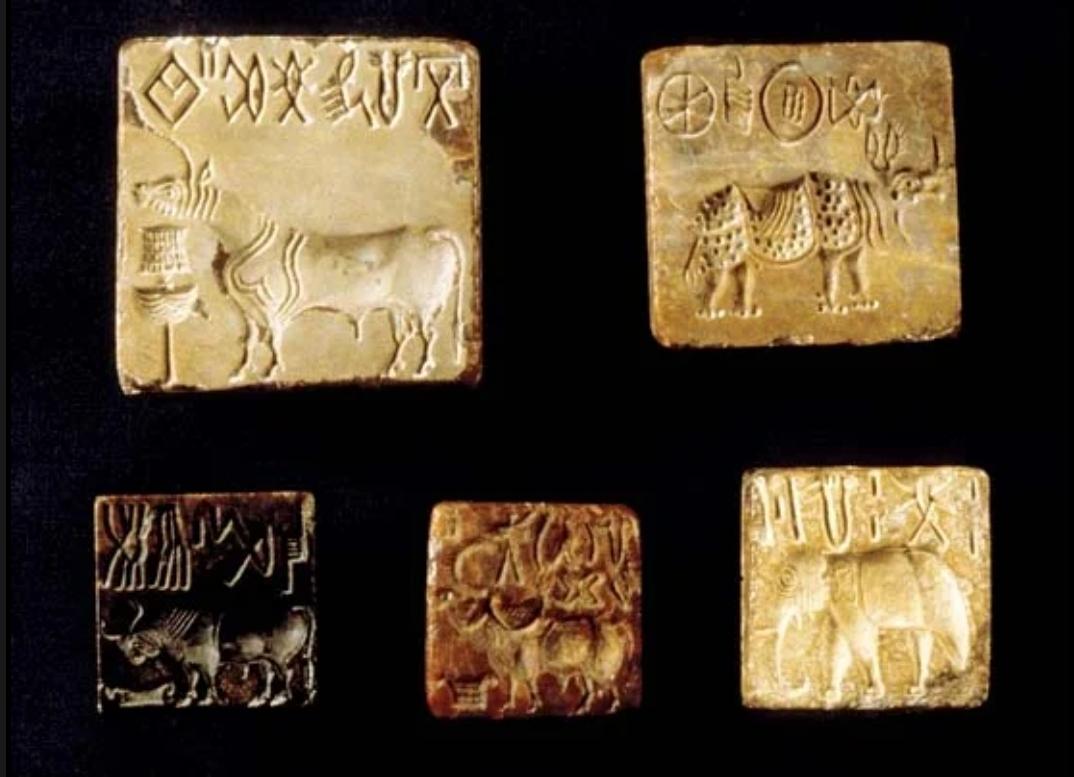
The idea began to solidify in December 2023 during an internship project with MIT student Soham Deshpande. “That became the catalyst for giving the idea structure.”
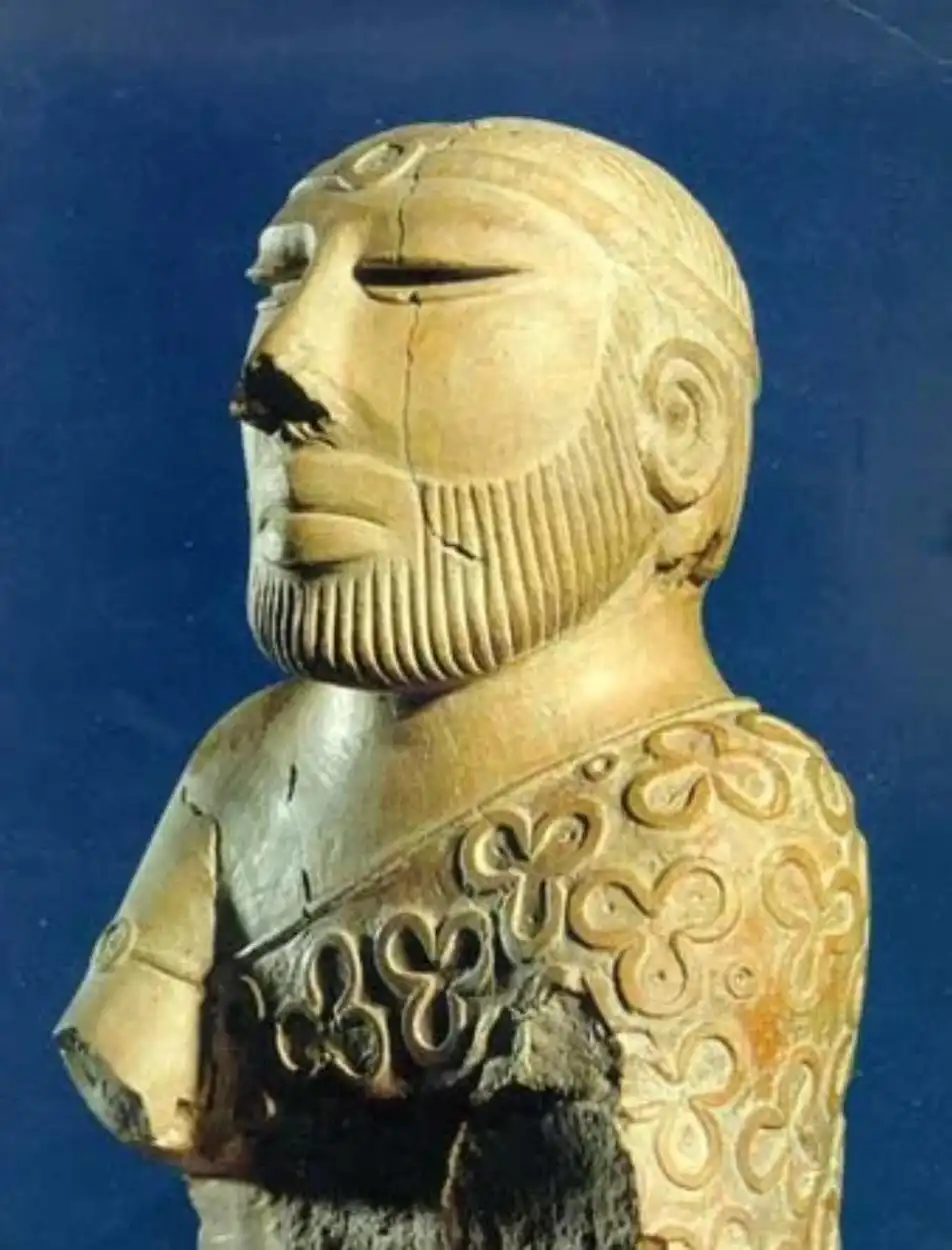
Statue of Indus priest or nobleman, carved from steatite (soapstone), from Mohenjo-daro; in the National Museum of Pakistan, Karachi.
But the story itself remained intentionally small. “A visual slice about a young girl standing up against overwhelming odds.”
That girl, Shakti, would become the emotional heart of the game.
That girl, Shakti, would become the emotional heart of the game.
“What began as a quiet, personal moment has evolved into a full-scale narrative that still retains that emotional core.”
The Indus Valley offered the team a rare creative tension. “It’s something every Indian feels connected to, yet none of us fully understand,” Soham says.
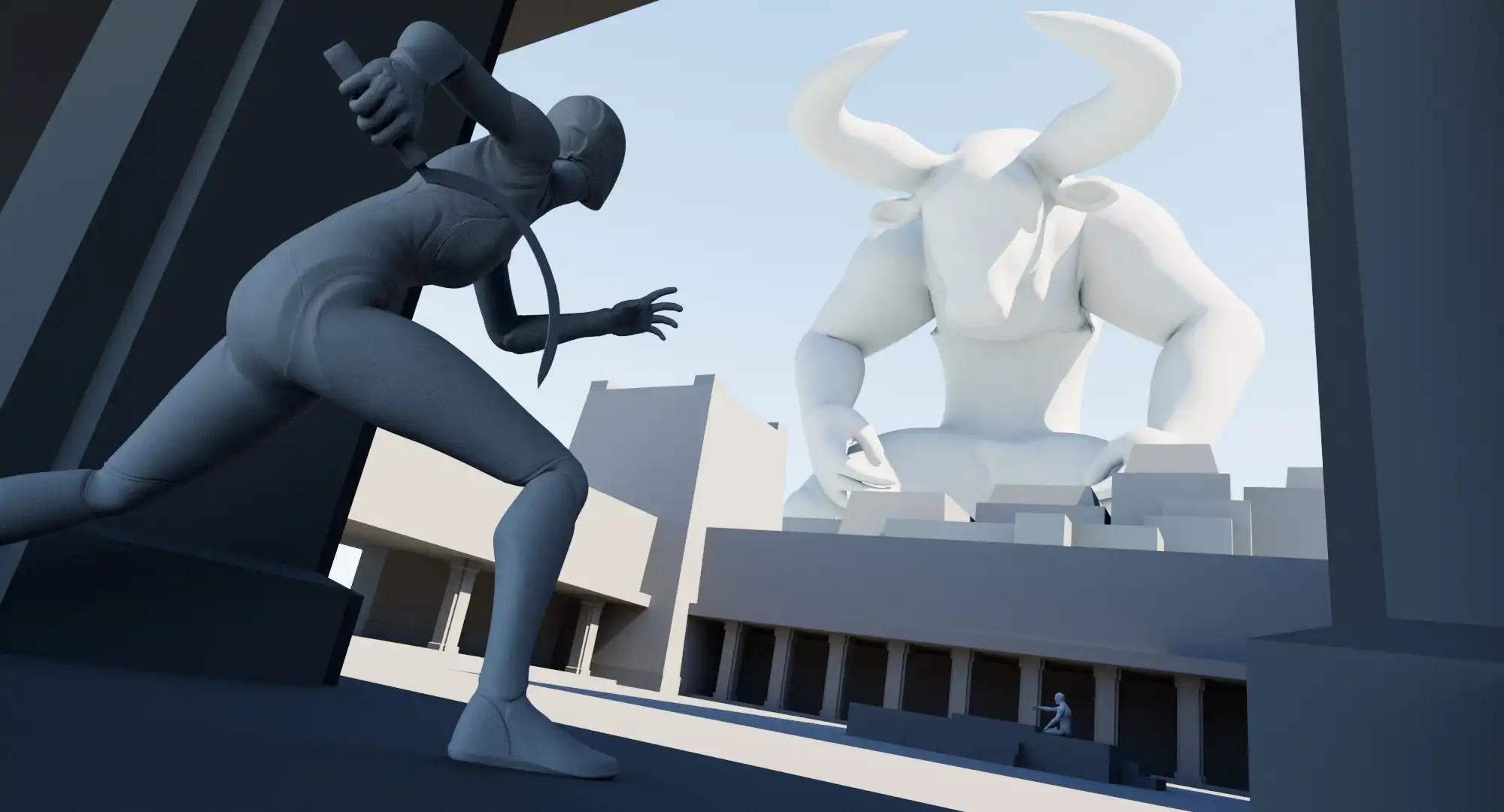
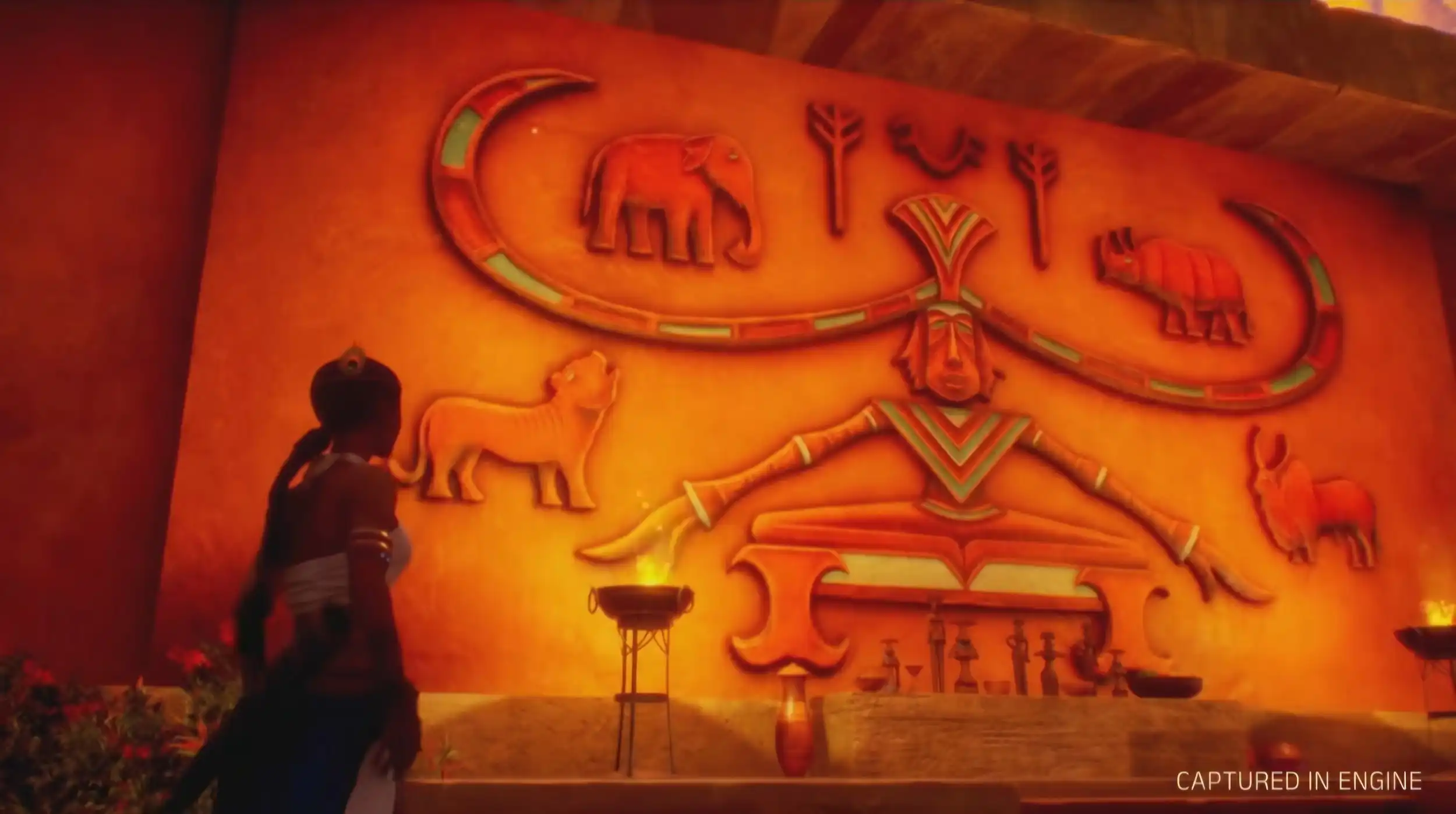
Visual slice of BOI
Undeciphered symbols, advanced city planning, and the mystery of the Saraswati River all fed into a world where history and imagination coexist.
“For us, it wasn’t just academic curiosity. We wanted to build and experience this world ourselves.”
Their approach was layered and deliberate.
“We grounded ourselves in what is historically verified - seals, motifs, city layouts, pottery patterns, figurines - and then layered our own artistic interpretation on top.” The aim was never reconstruction, but resonance.
“The result is a world that feels authentic yet imaginative, respectful of history but alive with possibility.”
This philosophy extends deeply into Iksa’s animation process. Rather than chasing hyper-realism, the team focuses on expressiveness, weight, and intention - animation that feels handcrafted even within a real-time engine.
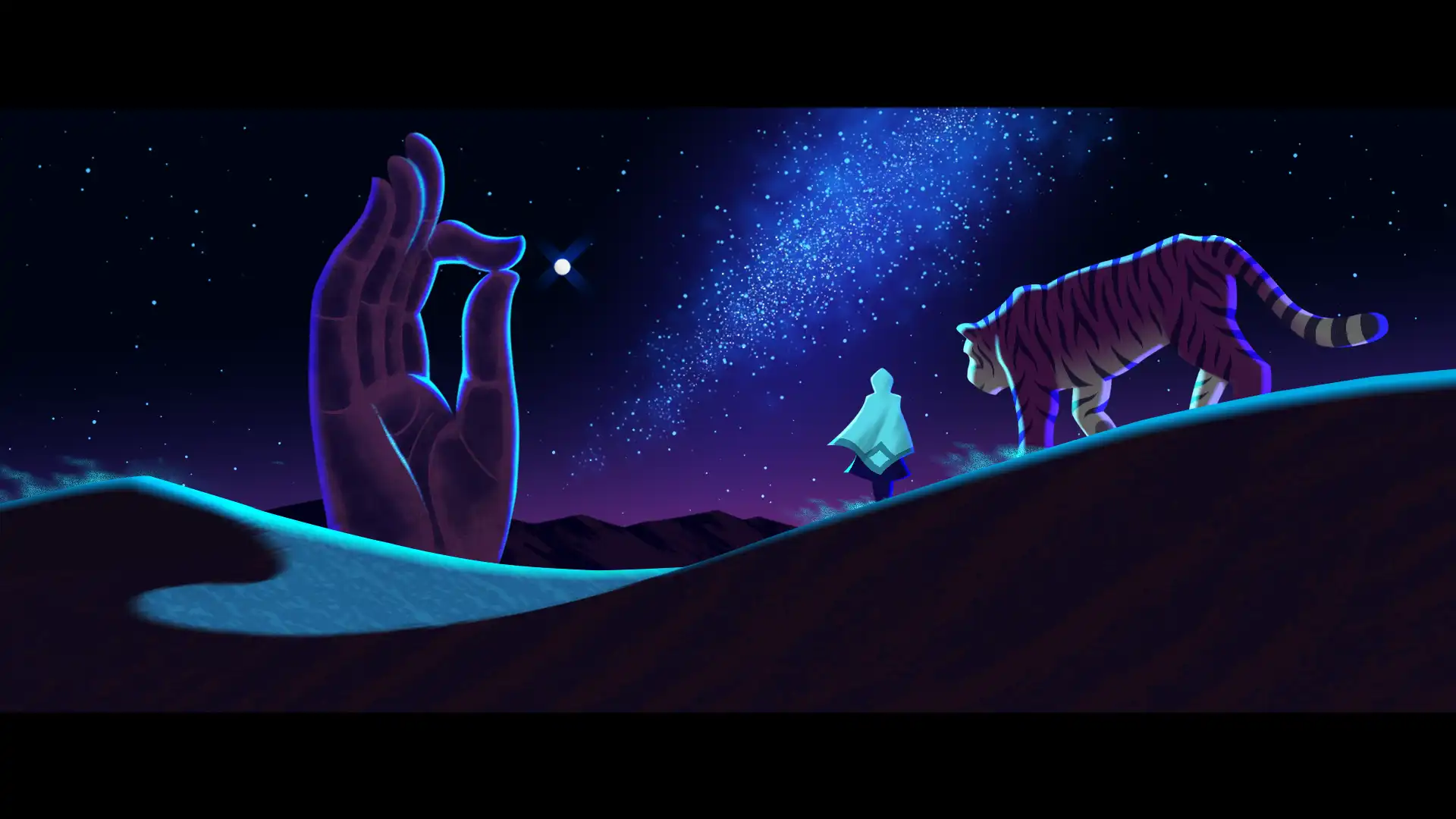
Concept Art for BOI
Soham describes it as “thinking like animators first, and technologists second.”
Shakti's combat motion look
“We want her growth to be felt in the way she moves, not just in what she can do,” Soham explains.
“We set one rule early on: any ‘magical’ power should feel like a natural extension of the human body, like something that could genuinely exist in this world.”
Technically, the team relies on a tightly integrated pipeline using Unreal Engine, Maya, ZBrush, and Substance, supported by extensive hand-drawn planning.
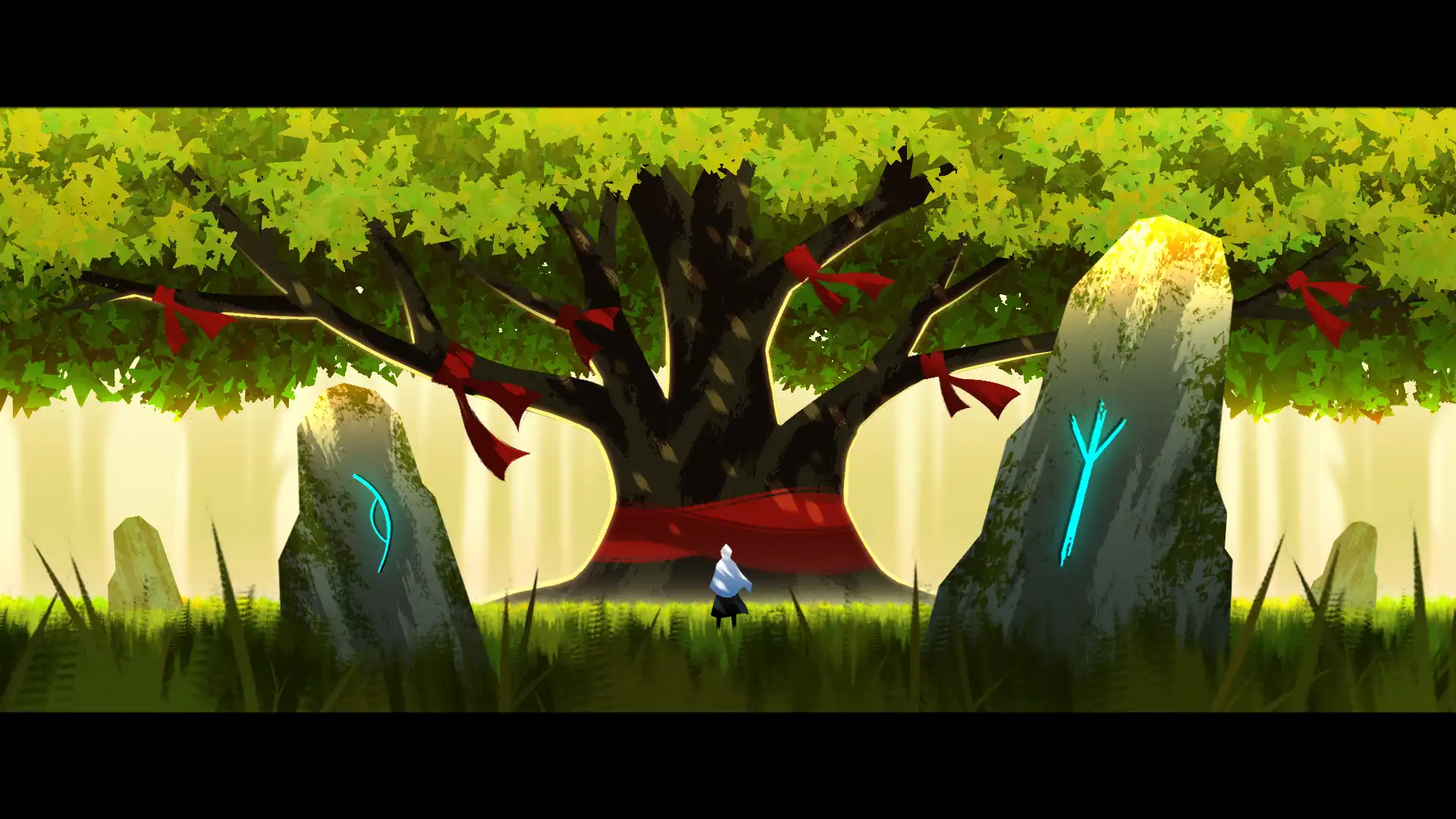
Concept Art for BOI
Animations are authored in Maya, then brought into Unreal where they are tested in real gameplay contexts.
“Animation doesn’t live in isolation. It has to serve gameplay, camera, and emotion at the same time.”
A key focus has been avoiding the “floaty” feel common in real-time characters. Combat animations prioritise clarity over spectacle, ensuring that characters unlock abilities in alignment with the world they reside in.
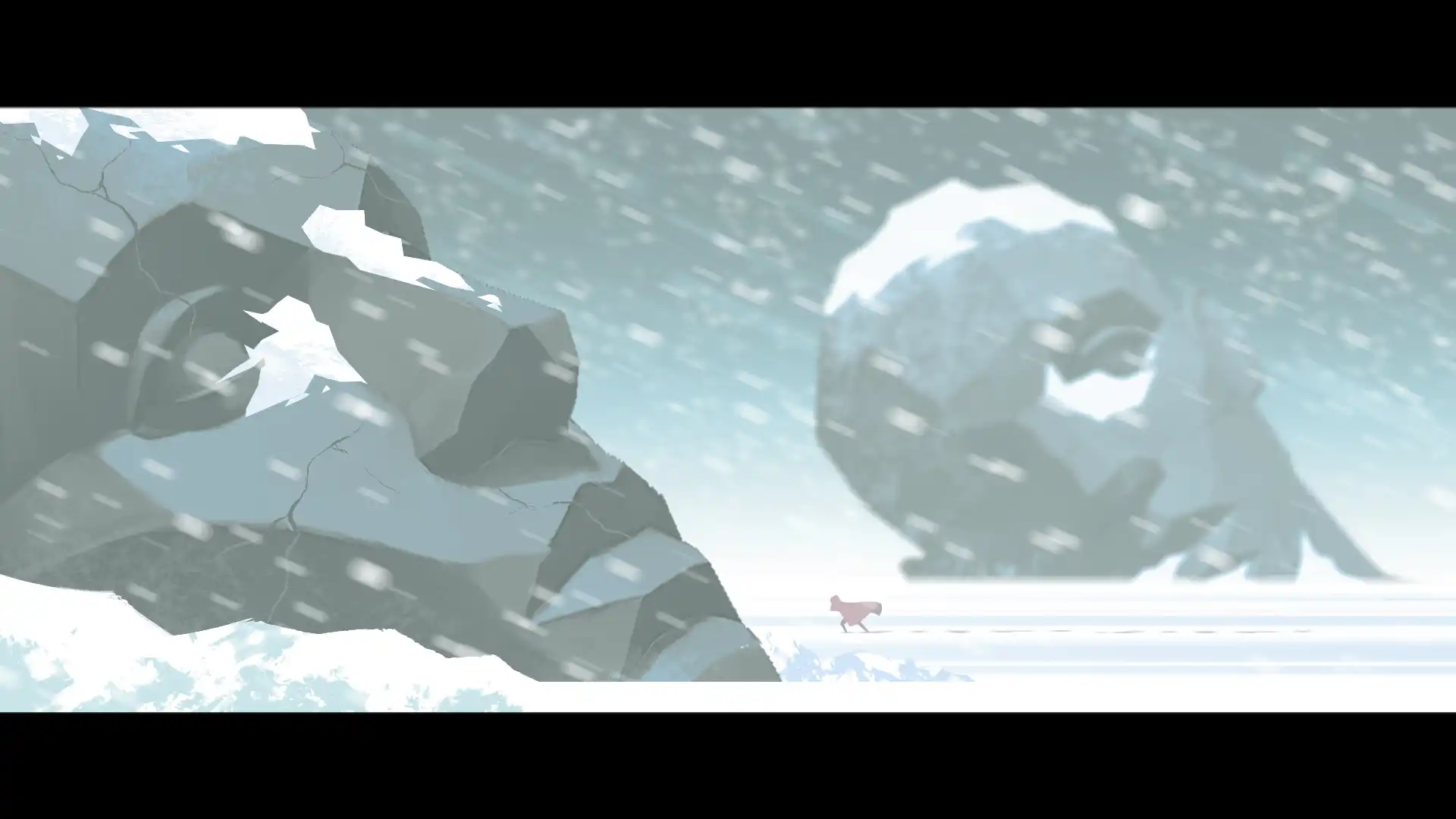
Concept Art for BOI
“Instead of flashy spells, we leaned into grounded, chakra-inspired abilities tied to the body, mind, and discipline.”
Talking about the art style they say, “We didn’t want it too realistic or too close to the default Unreal look,” citing inspirations like Prince of Egypt and Arcane.
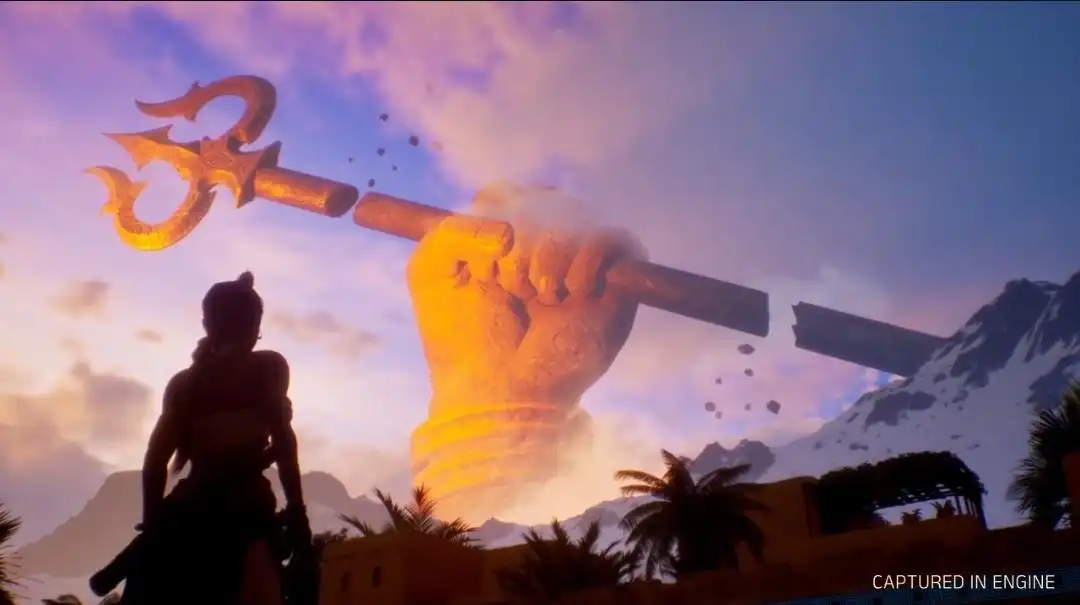
Translating that aesthetic into a playable, optimised game has been one of the studio’s biggest ongoing challenges.
“We want the world to feel alive, but never noisy,”
Behind the scenes, collaboration is constant. “Concept artists working with level designers, animators working with character artists and gameplay programmers - all of this is just part of the process,”
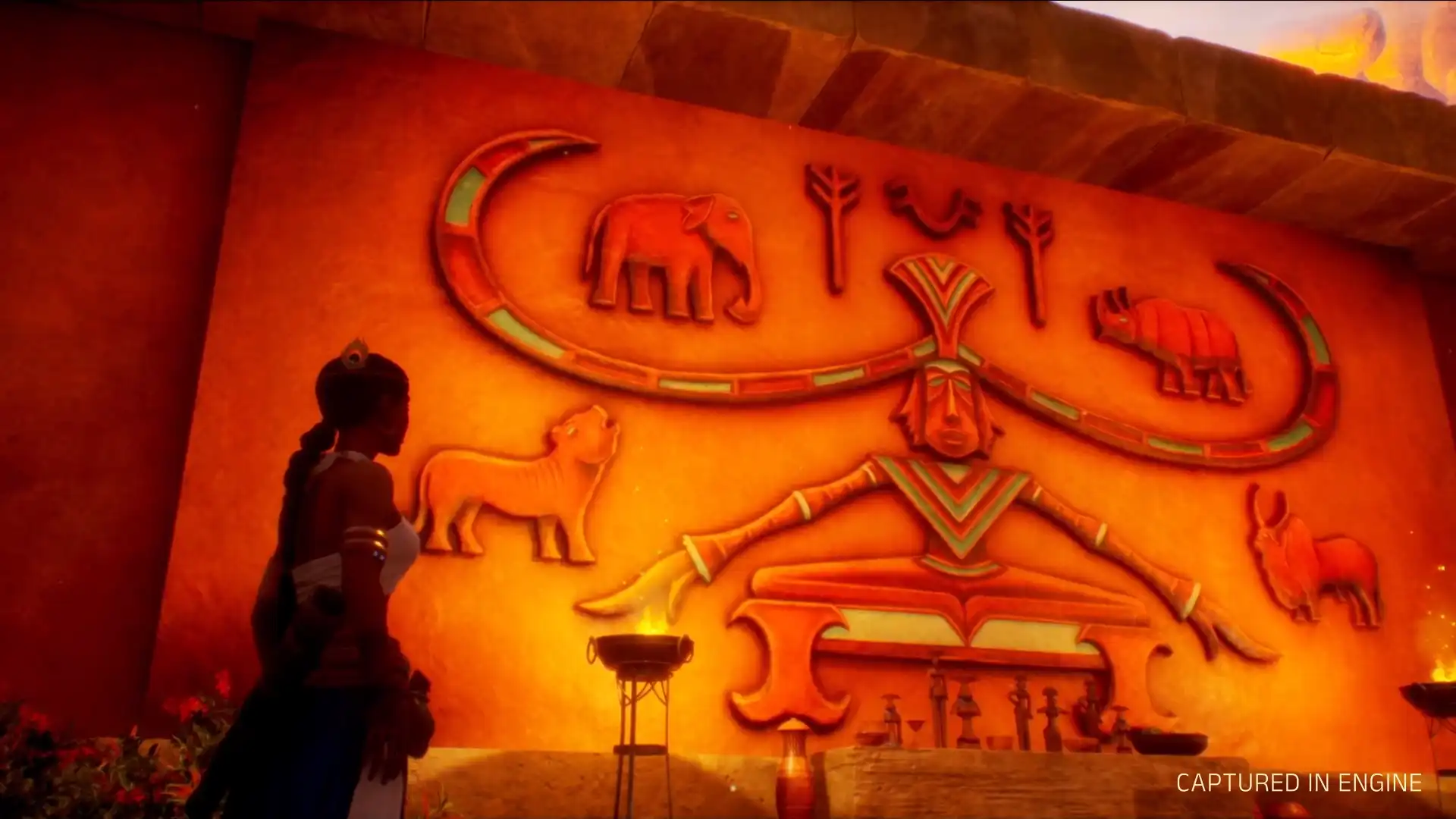
“It’s basically a lot of sharing, tweaking, and improving until everything feels right.”
Even mistakes are embraced. “In an early gameplay test, Shakti kept glitching and moving too fast,” he recalls. “What started as a bug became a feature.”
Mechanics for Shakti- the protagonist of Blade of Indus
As an indie studio, limitations are ever-present - and welcomed. “We can’t throw huge manpower and money at problems, so we focus on ideas that are doable but still meaningful,”
Soham says. Constraints often led to smarter animation solutions - reusing motion intelligently, designing modular movement sets, and relying on performance rather than excess assets.
“These limitations make the game more personal and more honest. In the end, they actually add to the storytelling.”
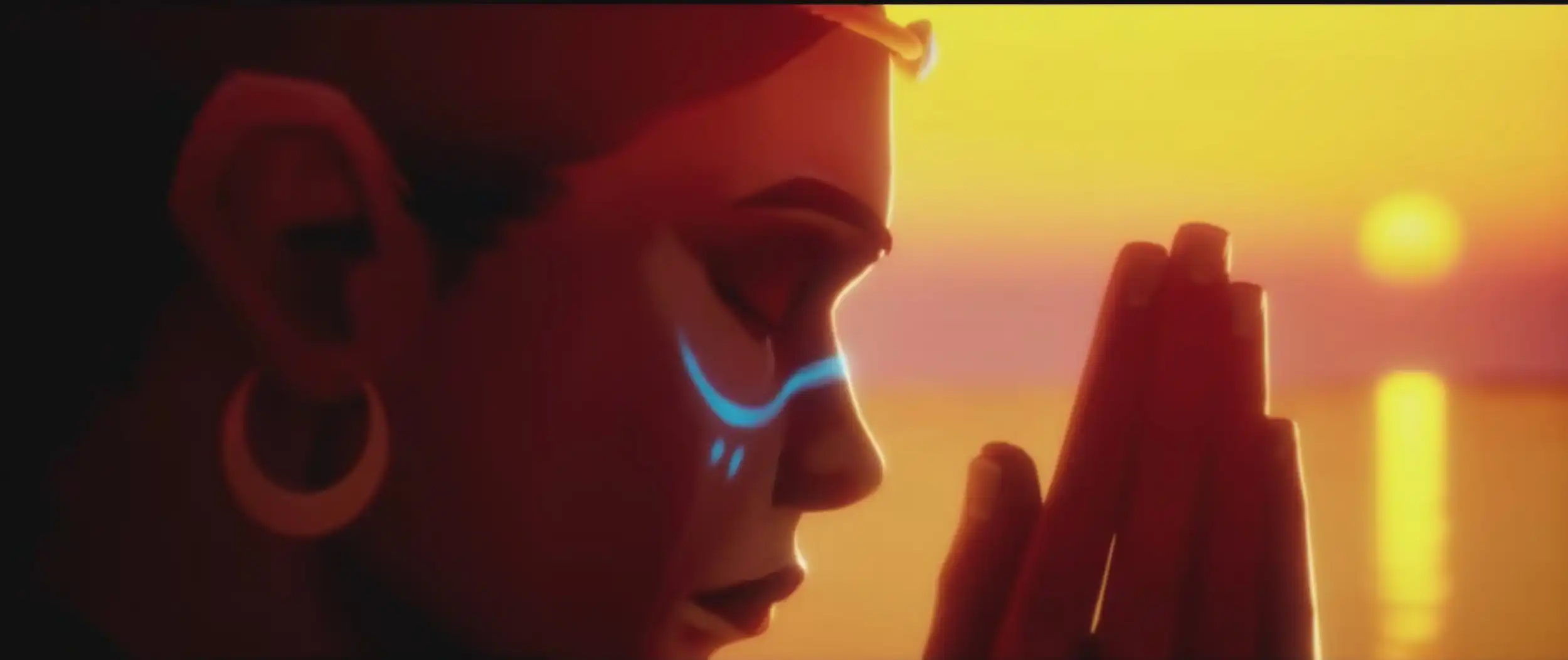
Cinematically, Blade of Indus borrows as much from film language as it does from games. Close, intimate camera angles are used during combat and narrative moments, while wider, more expansive frames reveal the scale of the world during exploration.
“We want to show off a vast, ambiguous, enigmatic world shrouded in ancient mysteries,while also maintaining a deep personal narrative.”
Influences range from Akira Kurosawa and Satyajit Ray to Kubrick and Spielberg. “We can promise to bring you a proper cinematic experience which will evoke a sense of wonder as befitting the legendary IVC.”
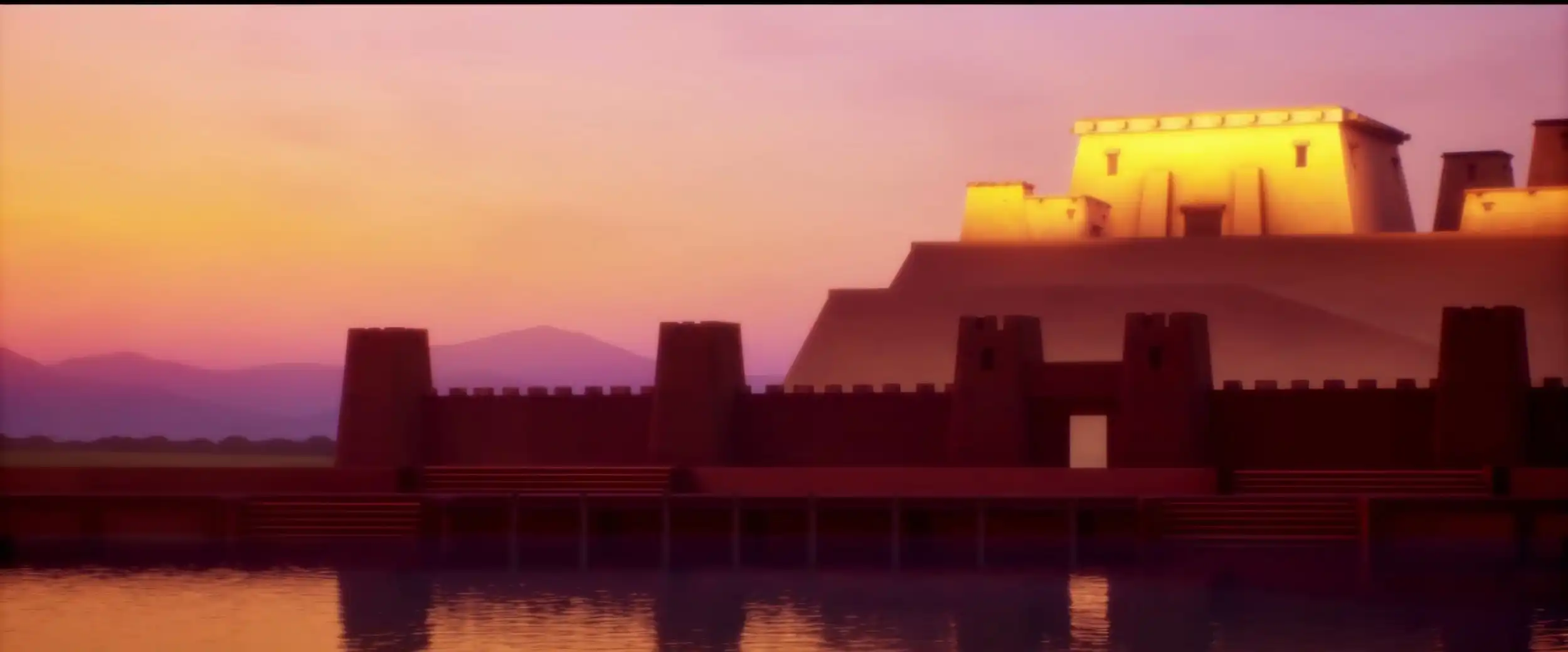
For Iksa, authenticity does not mean turning the game into a history lesson. “We’re not making a history lesson,” Soham says plainly. The focus is always human. “Shakti’s fear, hope, resilience - those emotions are universal.”
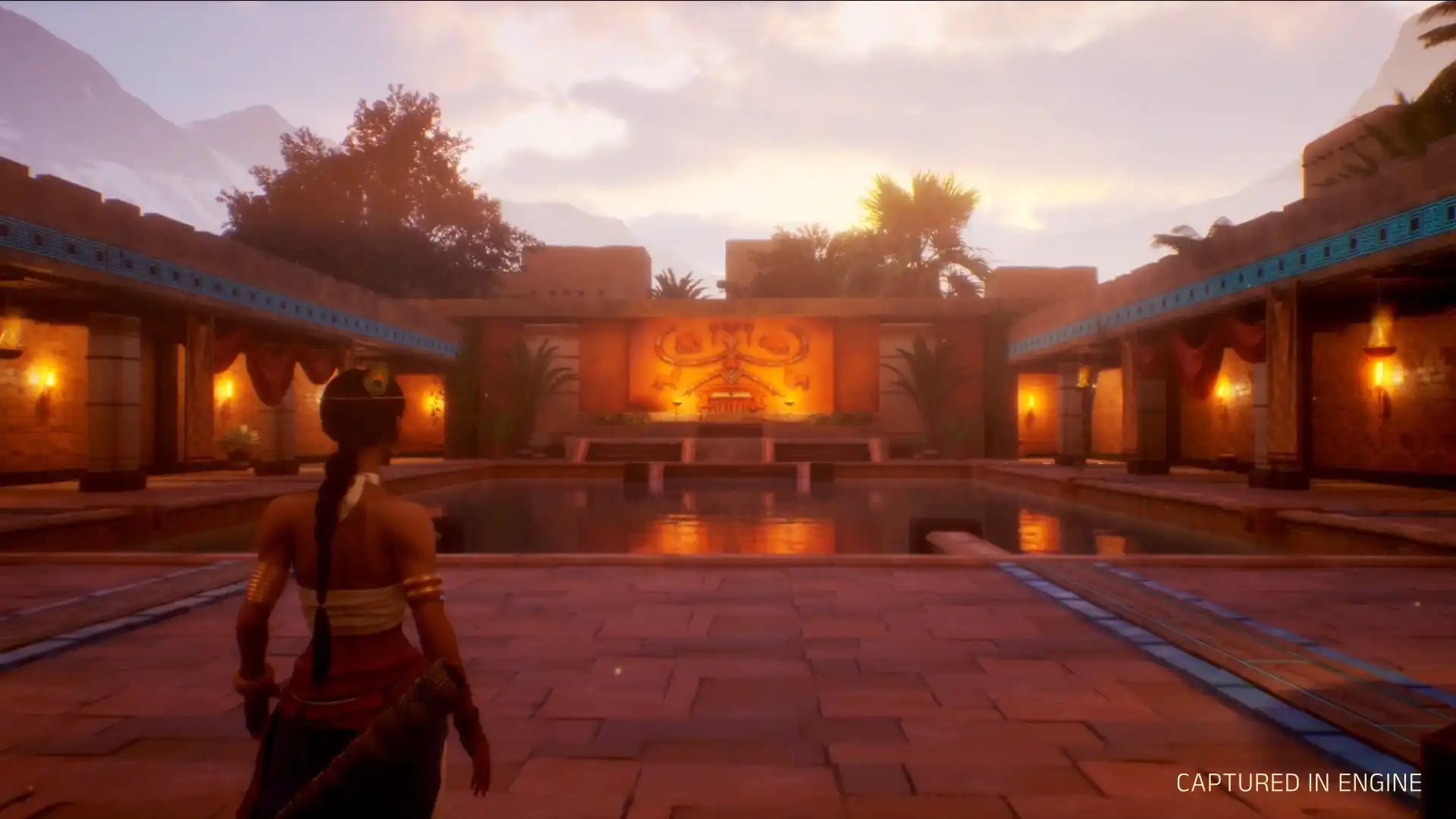
When players connect with her, the world follows naturally.
“If players finish the game and want to learn more about the Indus Civilization, that’s a huge win for us.”
Quietly, confidently, the ambition is clear: “Indian stories deserve a global stage, and Indian studios can create worlds that stand shoulder-to-shoulder with the best.”
Patience remains central to their process. “Rushing is something that we want to avoid at all costs to do justice to the vision and the legendary IVC.” For now, all of Iksa’s heart is in Blade of Indus. “This is just the first step out of many to come.”
“If Blade of Indus can make even a few global players pause and say, ‘Wait… this came from an Indian studio?’ — that’s already a win for us.”
And with that we come to the end of this feature with Iksa Studio. We wish the very best for the production of Blade of Indus and await the latest releases.
Stay tuned to their socials, and join their Discord channel to stay updated with the latest developments for Blade of Indus.

IKSA Studio