
Neshma Chemburkar: A Child of Theatre, A Woman in Voiceover Artistry
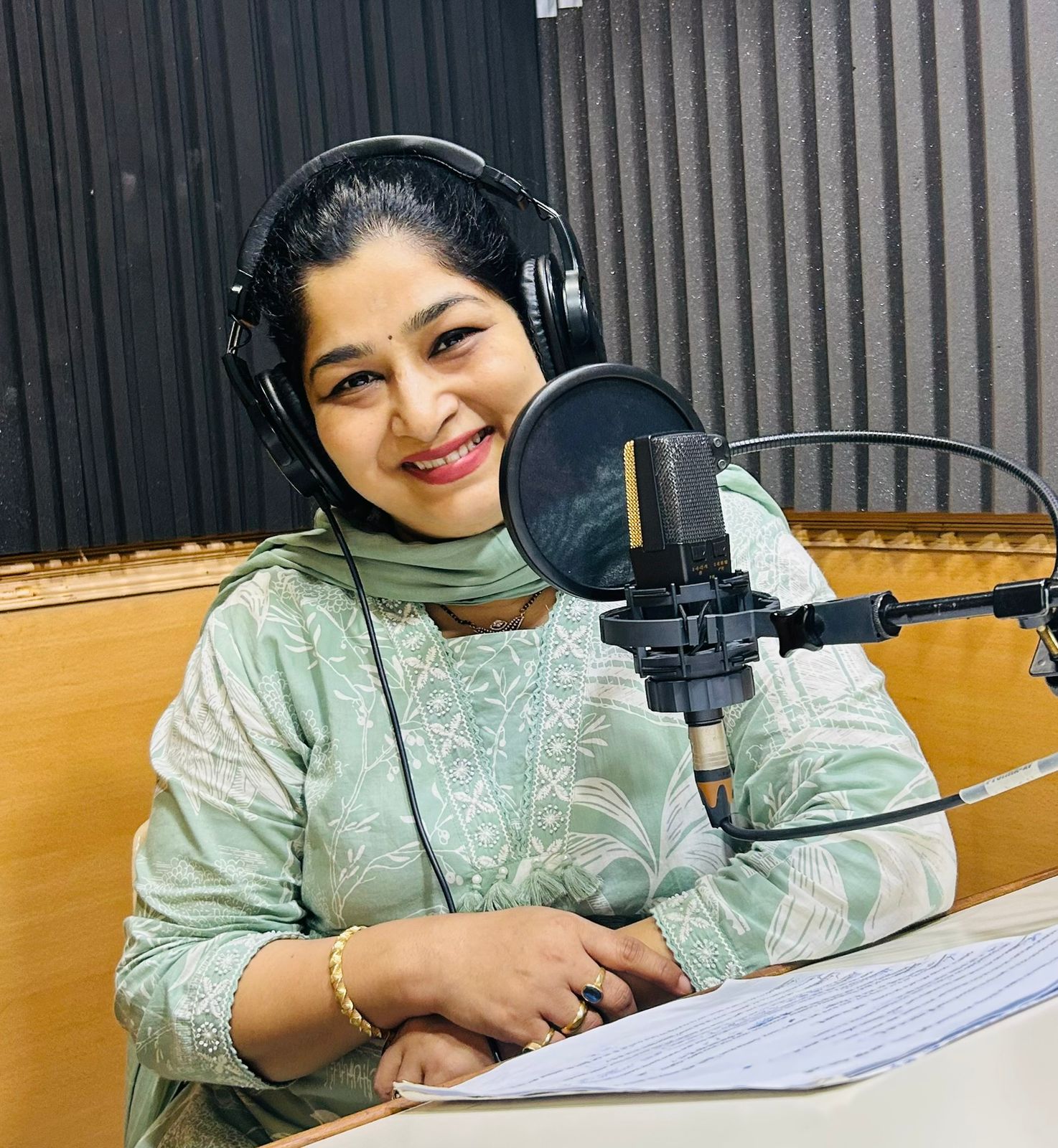
From backstage childhood to dubbing studios, classrooms, and character work across formats, Neshma Chemburkar has built a career shaped by inheritance, discipline, and a deeply felt understanding of performance. For her, voice work begins far below the throat… in memory, breath, restraint, and emotional truth. With over 45 years in the performing arts and voice industry, Neshma’s perspective is shaped not only by experience, but by longevity across changing formats, audiences, and expectations.
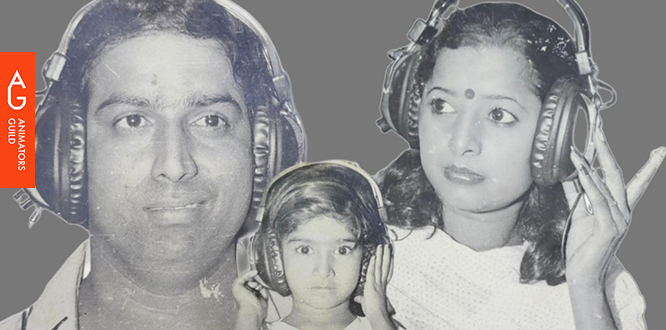
Long before she founded the Neshma Academy of Acting & Voice Acting (NAAVA), before the credits, awards, and recognisable characters, Mrs. Chemburkar was growing up backstage. Rehearsals, scripts, costumes, cues, silences, applause; these formed her childhood atmosphere. Theatre was not something she stumbled upon but something that was there before her, around her, and inside the rhythms of family life itself. When she calls herself a child of theatre, the phrase feels precise and true.
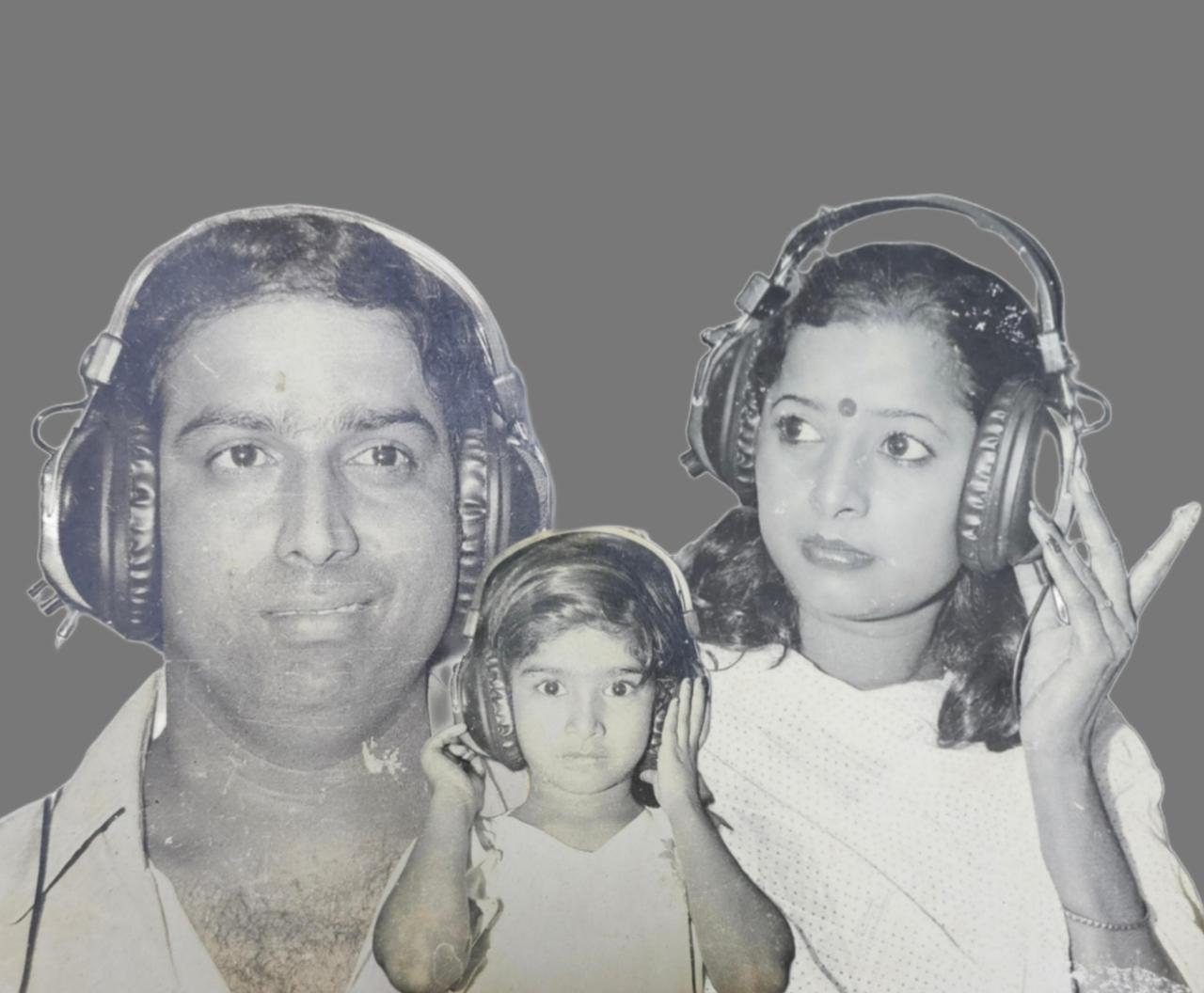
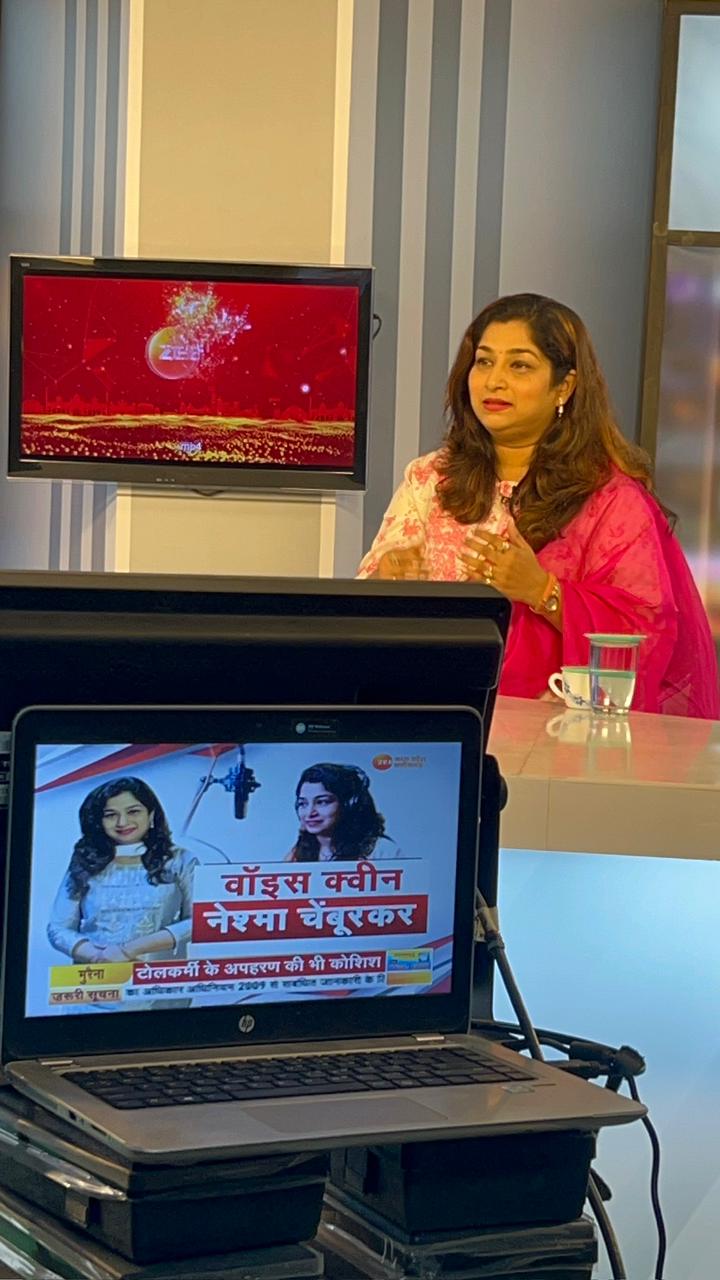
Neshma’s father, Nitin Mantri, founded the Neshma Theatre Group, and performance was already woven into the family’s daily life when she was very young. She began her own theatre journey at the age of five. There was no grand plan or carefully staged artistic calling behind it. Rather, life demanded resilience early, and after her father’s passing, acting and voice work became a source of continuity as much as livelihood. Studios, scripts, microphones, expectations; all of these entered her world at an age when most children are still shielded from responsibility. Those years left their mark. They sharpened her instincts, deepened her emotional intelligence, and shaped the seriousness with which she approaches performance. Later, like many artists, she stepped briefly into more conventional professional spaces, including banking and television news anchoring, before returning to the field that had first formed her. Today, with both her children also involved in voice work, she sees that continuity stretching into a third generation.
Asked what beginning so young taught her, Neshma arrives quickly at the heart of her craft: voice is emotion before it is sound. As a child, she says, she was not thinking in technical terms. She was responding instinctively, feeling her way through performance rather than constructing it. Studios taught her to listen closely, to respect silence, and to understand how much can be carried in breath and restraint. Those are lessons she appears to have held on to more fiercely than most. In an industry where voice is often discussed in terms of texture, range, and polish, her understanding runs deeper and feels more actorly.
That grounding came in large part from Neshma Theatre itself, which she describes as both playground and classroom. Neshma grew up watching actors rehearse, stumble, repeat, improve, and slowly arrive at something true. That environment seems to have given her a lasting respect for rigour. Performance, in her account, was labour, repetition, observation, and craft, never some gleaming idea from a distance. She absorbed timing, body language, storytelling, breath, and the value of truth in performance simply by being around it. By the time microphones entered the picture, Neshma was not intimidated by them. She already understood that what mattered most happened beneath the surface.
That sensibility continues to shape how she speaks about voice acting now. She has little interest in the flattening shorthand that reduces the field to having a “good voice.” For her, the work rests on intent, pauses, breath, emotional memory, and listening. Acting sits at the centre of it all. Neshma’s principles are clear: emotion before modulation, breath as punctuation, internal motivation before exaggeration, and a strong respect for the original performance while making it ring true in another language. She describes dubbing as a process of becoming the actor in another language, which captures both the humility and the complexity of the work.
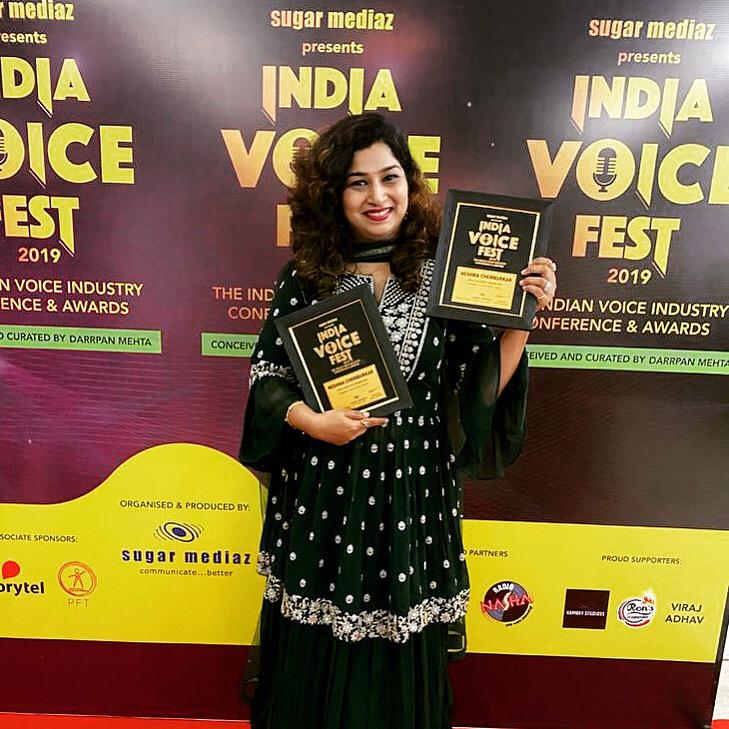
The distinction becomes richer when she talks about specific roles. Neshma’s impressive credits span animation and live action. For many viewers who grew up on dubbed television in the 1990s, Neshma’s voice was already familiar as she is the original Hindi dubbing artist for characters such as Blossom in The Powerpuff Girls, Velma in Scooby-Doo, the Yellow Ranger in Power Rangers, Misty in Pokémon, and Chi-Chi in Dragon Ball Z. More recent work includes roles such as Black Widow in Marvel/Disney projects, Draupadi in Kurukshetra on Netflix, and Omi in OMI No. 1 on Pogo.
She approaches them less as voice signatures than as emotional problems to solve. Her first question, she suggests, is often about concealment - what is the character hiding, not merely what they are saying. In animation, that may require the voice to carry the whole body. In live action, the task is subtler; the voice must settle into the actor’s breath, rhythm, and interior life so thoroughly that it disappears into the performance rather than drawing attention to itself.
She is equally clear about the practical differences between animation and live-action dubbing. Animation allows greater vocal freedom, physicality, rhythm, and energy. Live action demands finer calibrations: micro-emotions, lip-sync discipline, measured expression, and close attention to pauses and breath. While the techniques shift, the emotional centre decidedly does not.
Among the roles Neshma mentions, Black Widow appears to have taught her one of the most enduring lessons. Rather than announcing itself, power, she says, sometimes arrives in a lower register, in control, in withheld force. She speaks of Black Widow as a role that taught her restraint, and she points to the challenge of finding the character’s rasp in a way that felt earned. Draupadi in Kurukshetra came with a different burden, one she describes as emotionally draining. Then there are roles like Omi in OMI No. 1, which required her to voice a ten-year-old child much later in life. Those parts, she suggests, are valuable precisely because they test modulation, precision, and honesty in a different register. Across all of them, what emerges is less a catalogue of versatility and more a performer’s willingness to enter contrasting emotional worlds without flattening them into trick work.
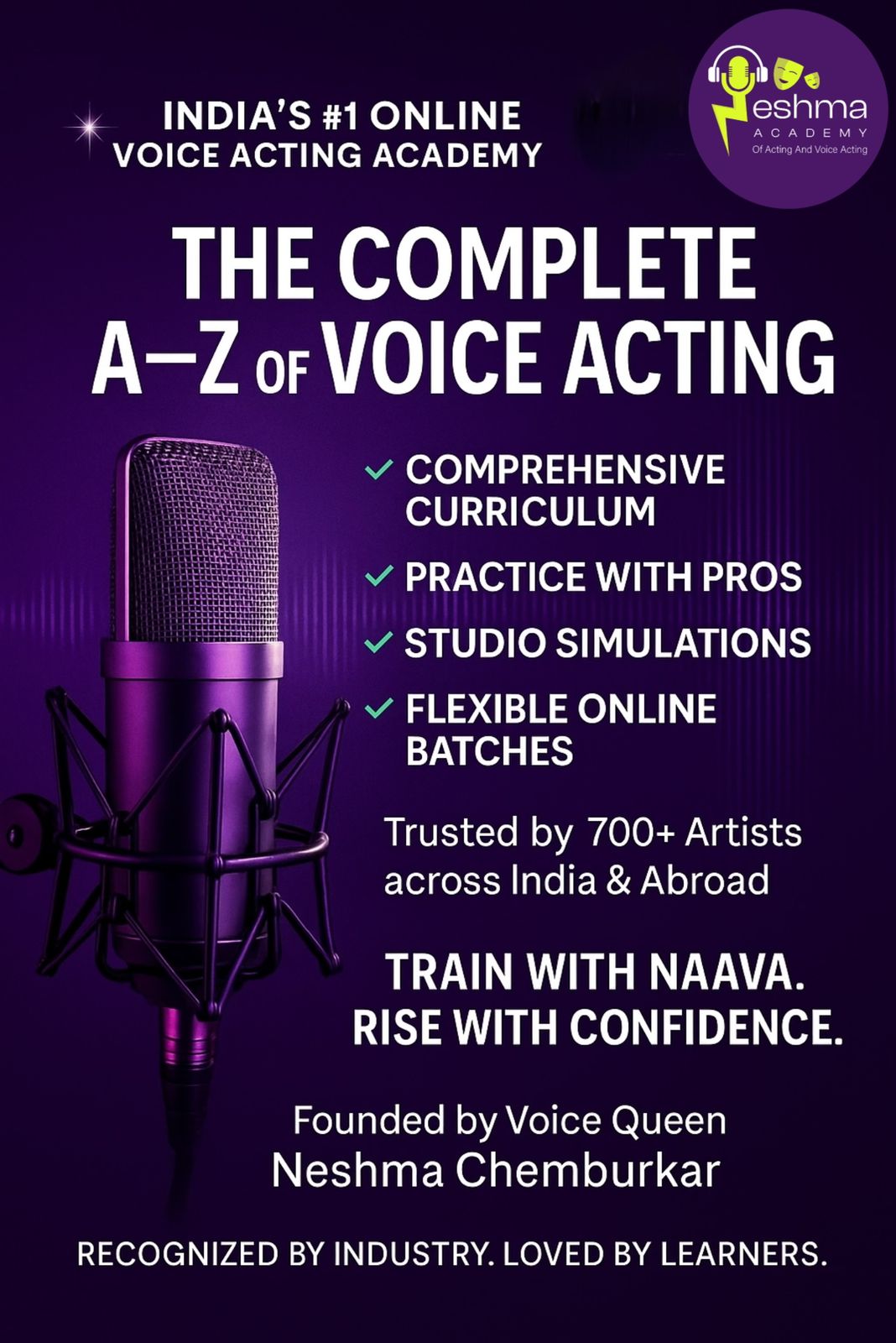
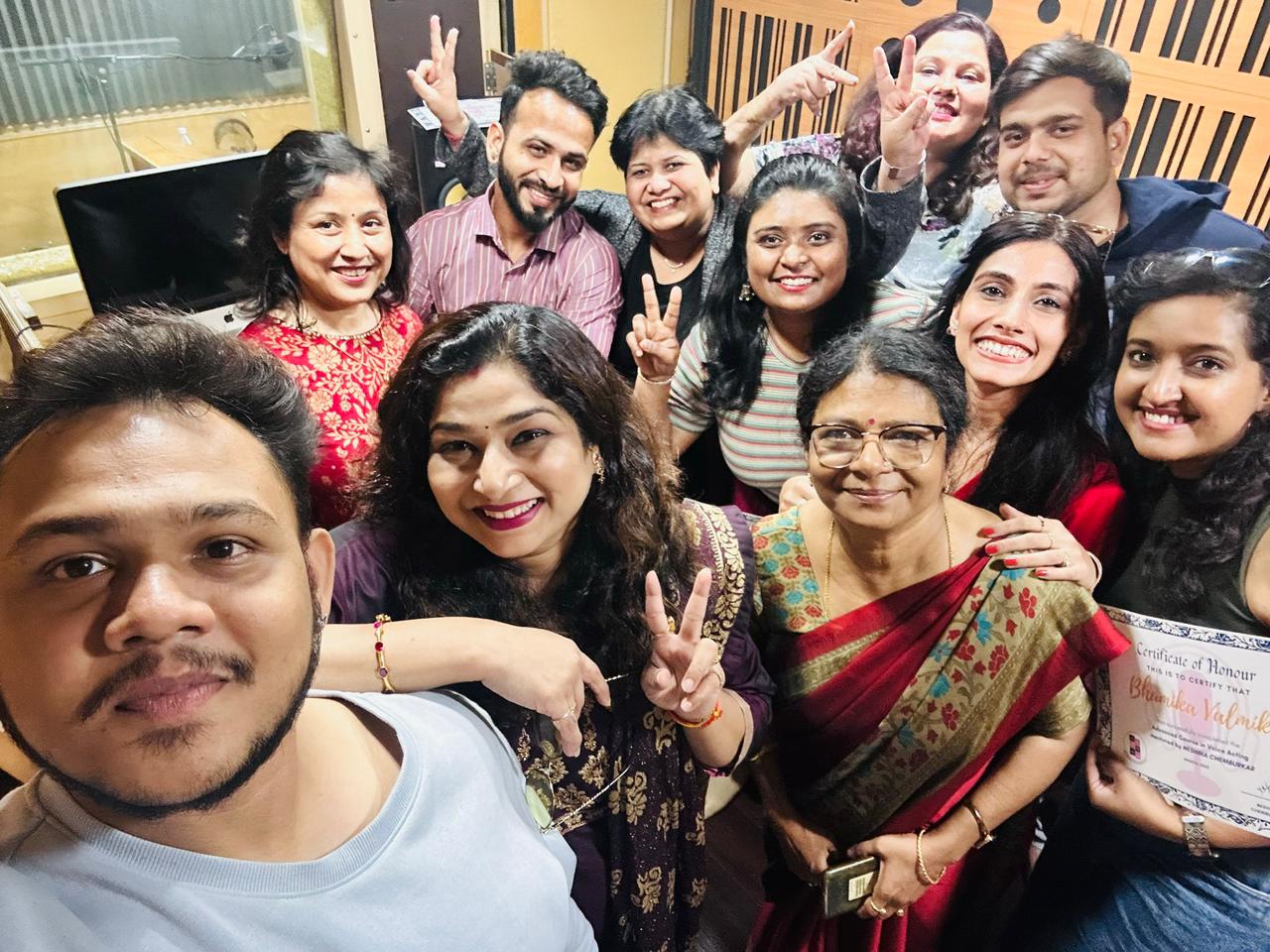
Alongside performance, teaching has become a major part of Neshma’s life and thought. At NAAVA, she says, she wanted to create a safe rehearsal room. That phrase carries more weight than the standard language of academies and institutes. Her philosophy is organised around a few core beliefs: every voice is valid; technique should serve emotion; confidence can be trained; language should empower; inclusivity must be treated as essential; and competition should remain healthy. She says she trains artists, not just voices, and that distinction feels central to her work. It suggests a teacher concerned with the person behind the mic, not merely the output coming through it.
Her advice to beginners follows from the same worldview. Most people, she says, feel like outsiders until the first mic test. The answer lies in taking the first step anyway: reading, practising, failing, and trying again. She places her faith less in polish than in preparedness, patience, and courage. The answer sounds simple, but simplicity is often the hallmark of enormous experience.
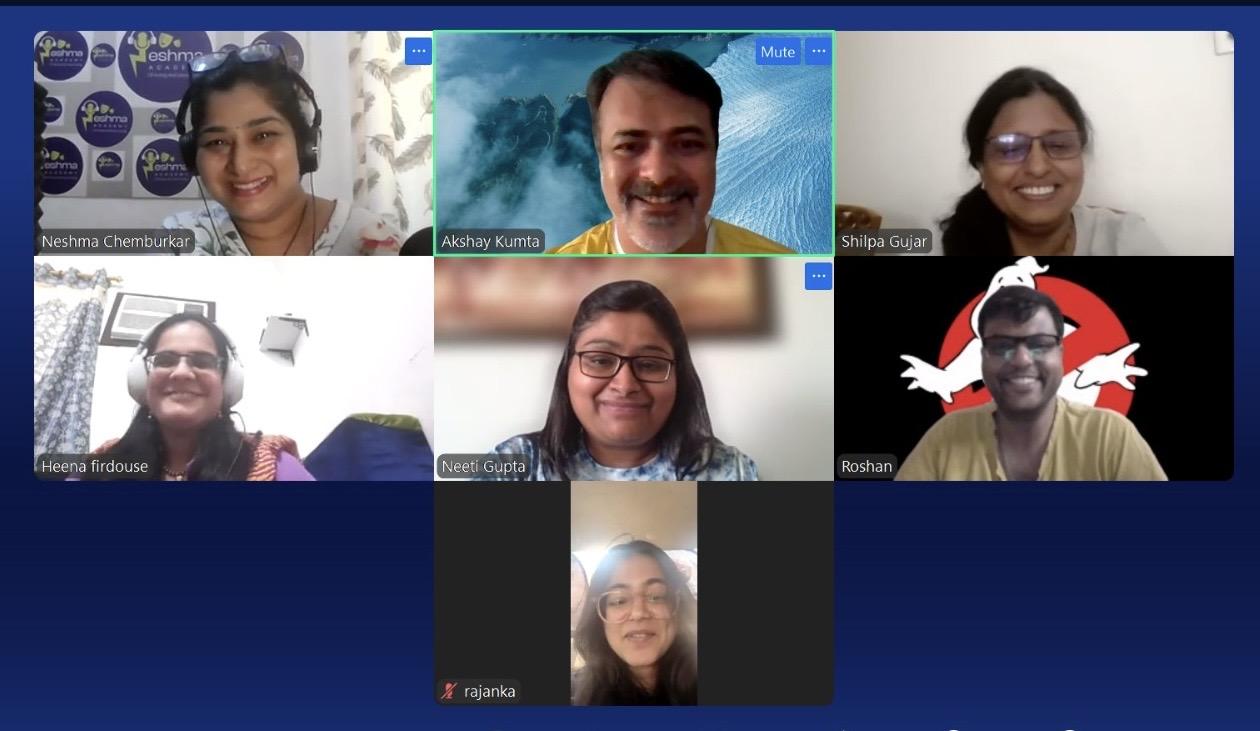
Neshma also offers a useful window into how she sees the Indian dubbing industry changing. In her account, dubbing has moved well beyond a merely functional role. Audiences now expect emotional authenticity, stronger casting, cultural sensitivity, and performances that can stand alongside the original work. That shift matters in India in particular, where, as she points out, language carries deeply varied histories, humour, emotional registers, and rhythms across regions. A pause, a joke, even a sigh can land differently depending on where and how it is heard. Her comments here are grounded and practical. She is not making a case for generic “localisation,” but for attentiveness, and for treating language as lived experience rather than as a transferable script.
The source material also makes room for the harder facts of the profession. Budgets affect preparation, retakes, and the freedom to explore creatively. Constraint can still produce excellent work, Neshma says, when the intent is clear. But there is no mistaking her frustration with the familiar bane of the creative fields: the reality of economics. Indian voice actors continue to struggle for their due, and budgets remain below international standards according to Neshma. This insight places her squarely inside the realities of the profession rather than above them.
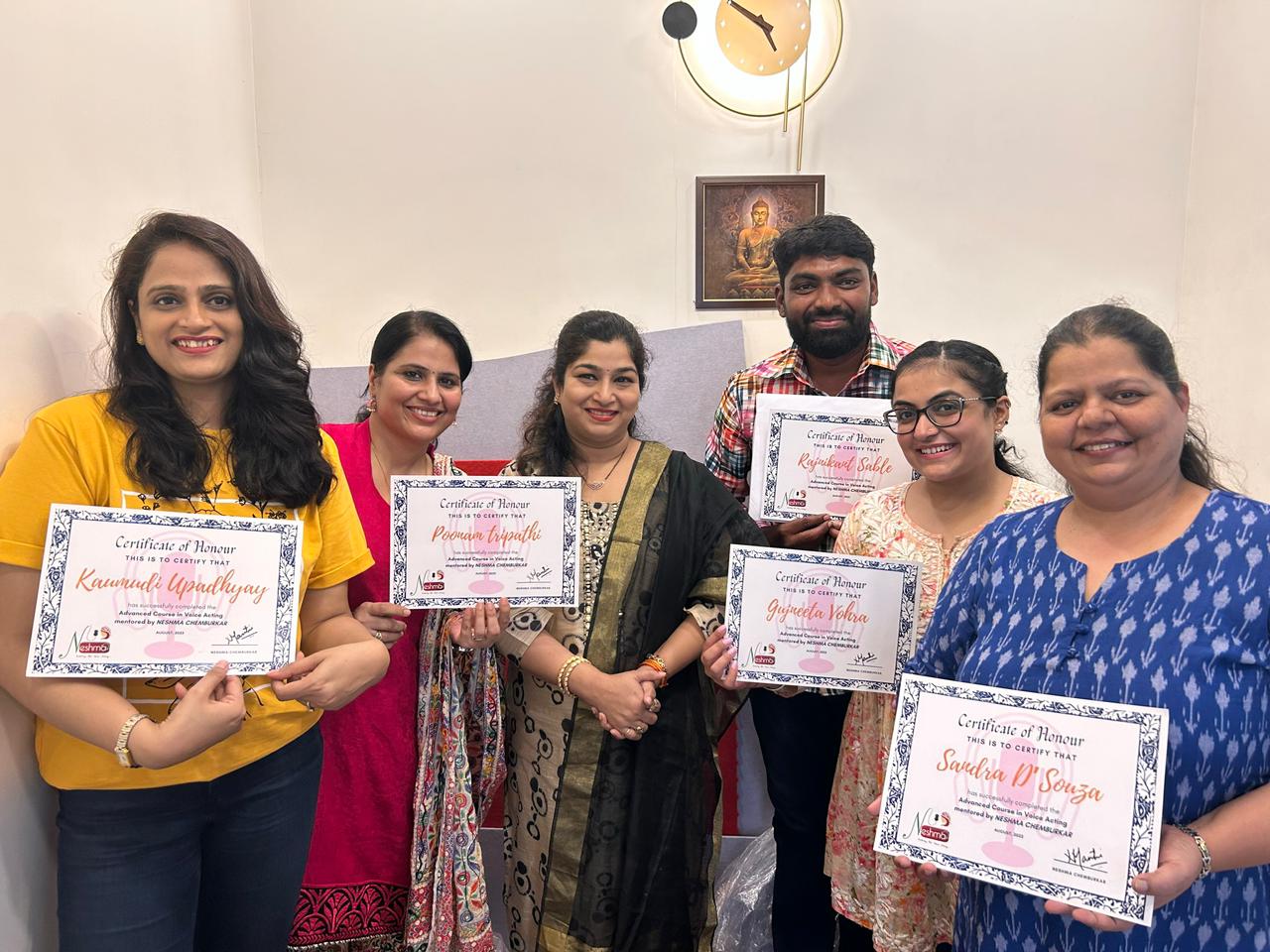
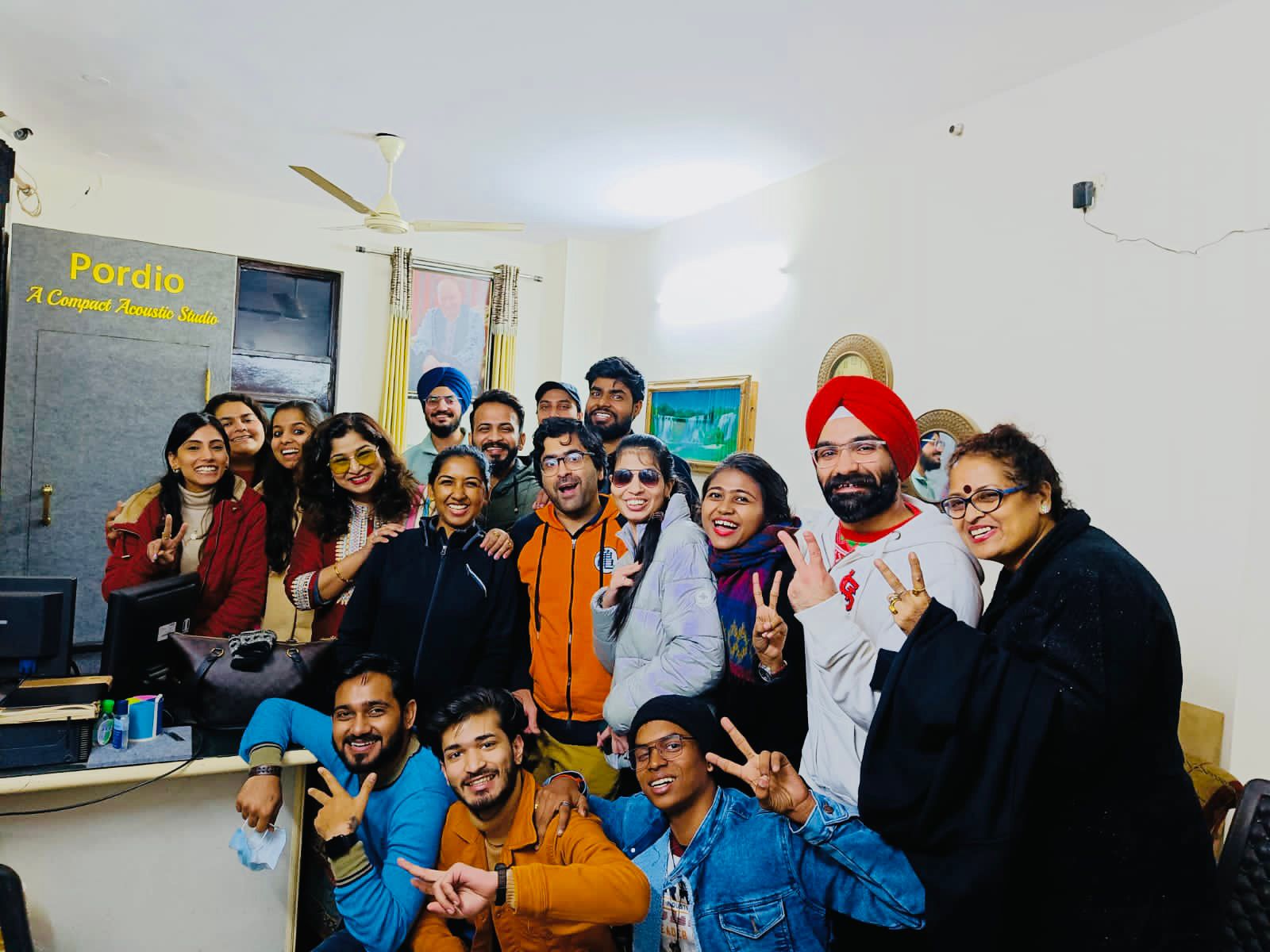
When she talks about the future, her ambitions for NAAVA are broad without drifting into vague aspiration. She wants the academy to grow into a national voice movement; one that connects regions, languages, ages, and stories. She wants to keep learning herself, keep mentoring, and keep carrying forward the legacy she inherited. Her students clearly energise her.
Neshma speaks about their first mic tests, their breakthroughs, and the satisfaction of watching some of them move into professional work, at times even alongside her or in adjacent versions of projects she knows well. For her, teaching is part of how the work stays alive and that influence extends beyond the classroom as well: Neshma is one of the senior committee members of the Association of Voice Artists (AVA), and three of her students are now part of its new committee, a telling sign of the ecosystem she has helped nurture.
Her reading of the wider industry reflects the same balance of optimism and realism. OTT and global platforms, she says, have expanded opportunities across Hindi, English, and Indian regional languages. That shift has widened the field for Indian voice artists and raised the premium on authenticity. When asked about AI, she feels that AI can reproduce sound but the human voice carries memory, intention, trauma, joy, and soul. Artists still need to adapt, upgrade, and learn, but what makes a performance matter remains stubbornly human.
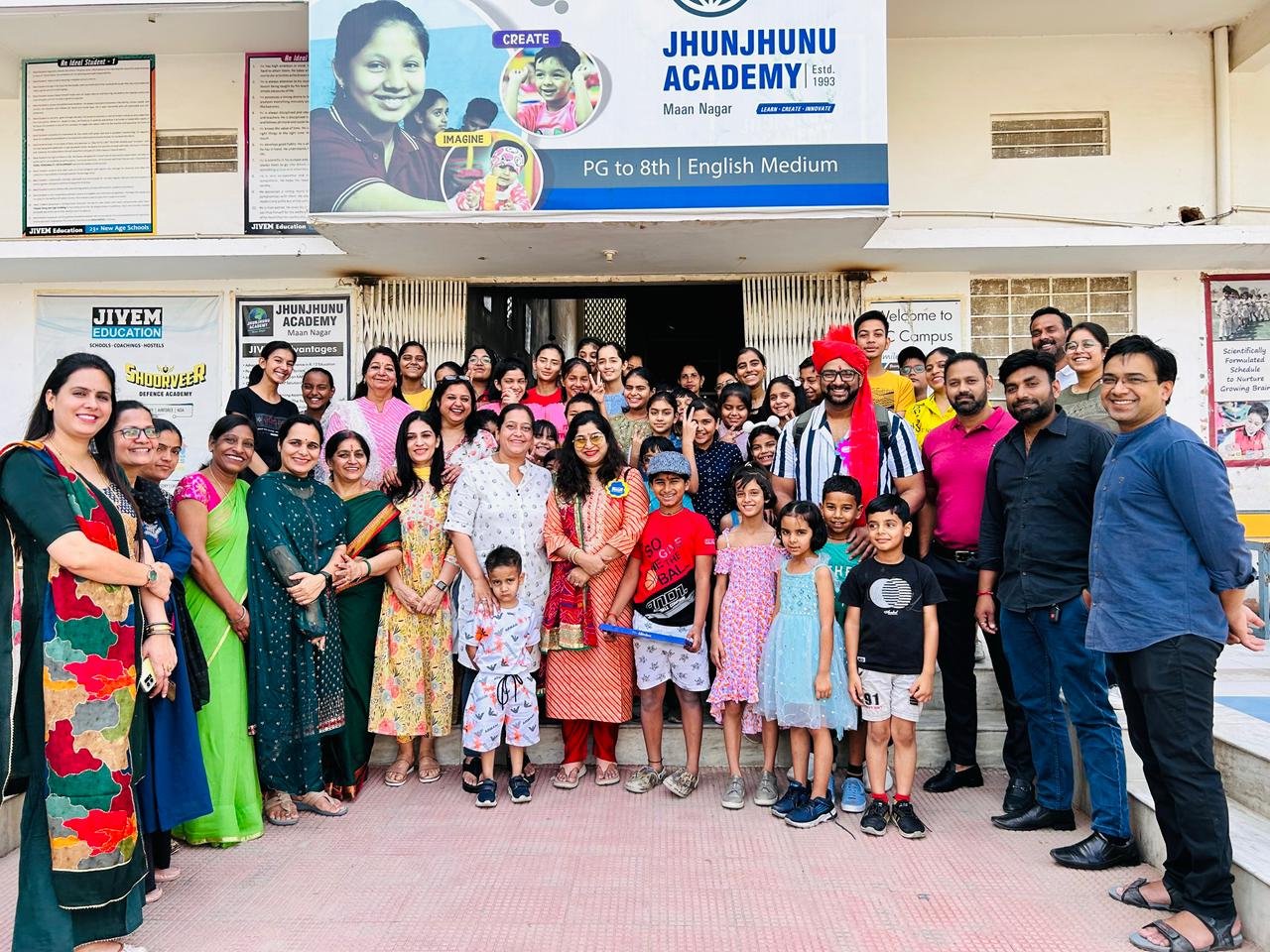
The list of skills she believes future voice artists will need reflects that view: acting, language adaptability, emotional intelligence, home-studio literacy, storytelling across formats, digital technique, and an understanding of scripts and translation. She believes the future belongs to thinking performers. It is a line that also describes the arc of her own career. Everything in her story - the theatre childhood, the emotional discipline, the insistence on truth, the refusal to reduce voice acting to vocal prettiness - points in the same direction.
Across her career, Neshma has worked across virtually every major format in the voice industry; from original and dubbed animation to live action, films, series, documentary narration, audiobooks, audio drama, television commercials, radio spots, IVR, channel promos, and audio description. Her work has extended across platforms and networks including Netflix, National Geographic, Prime Video, Cartoon Network, Pogo, Disney, ETV, Nickelodeon, as well as brands like Surf Excel, Dettol, and many others, covering a remarkably wide range of genres within the industry.
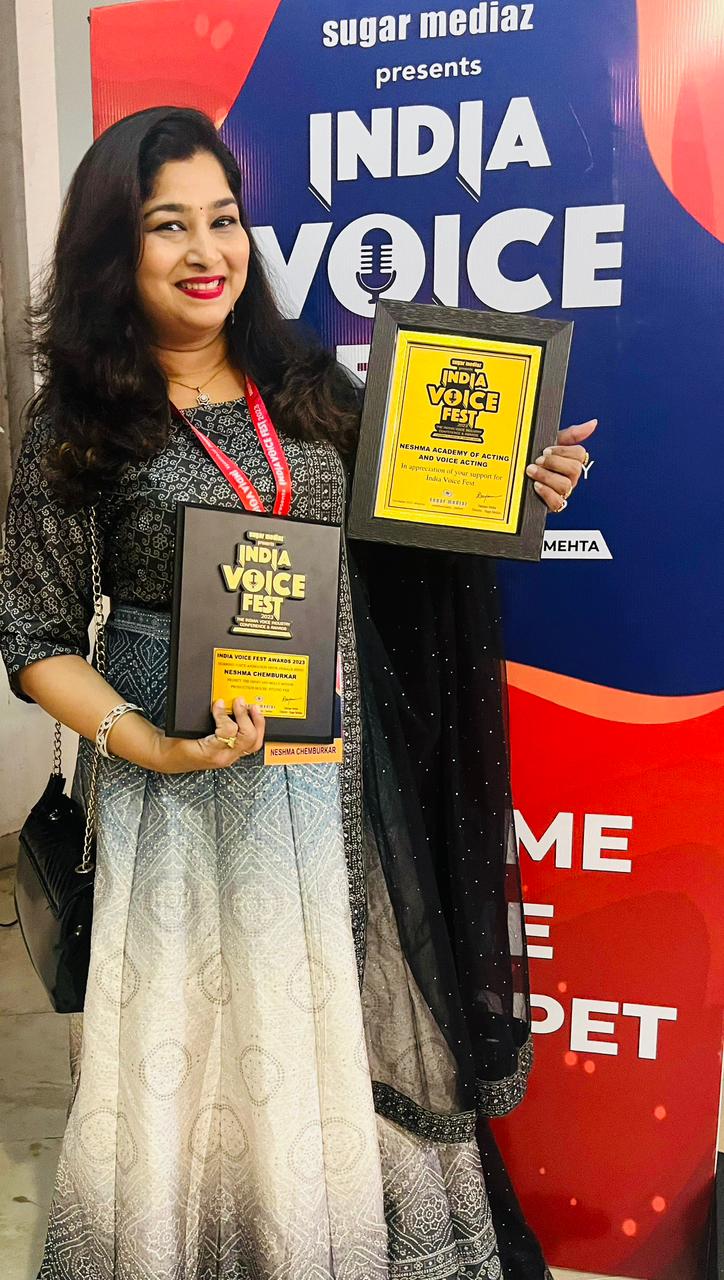
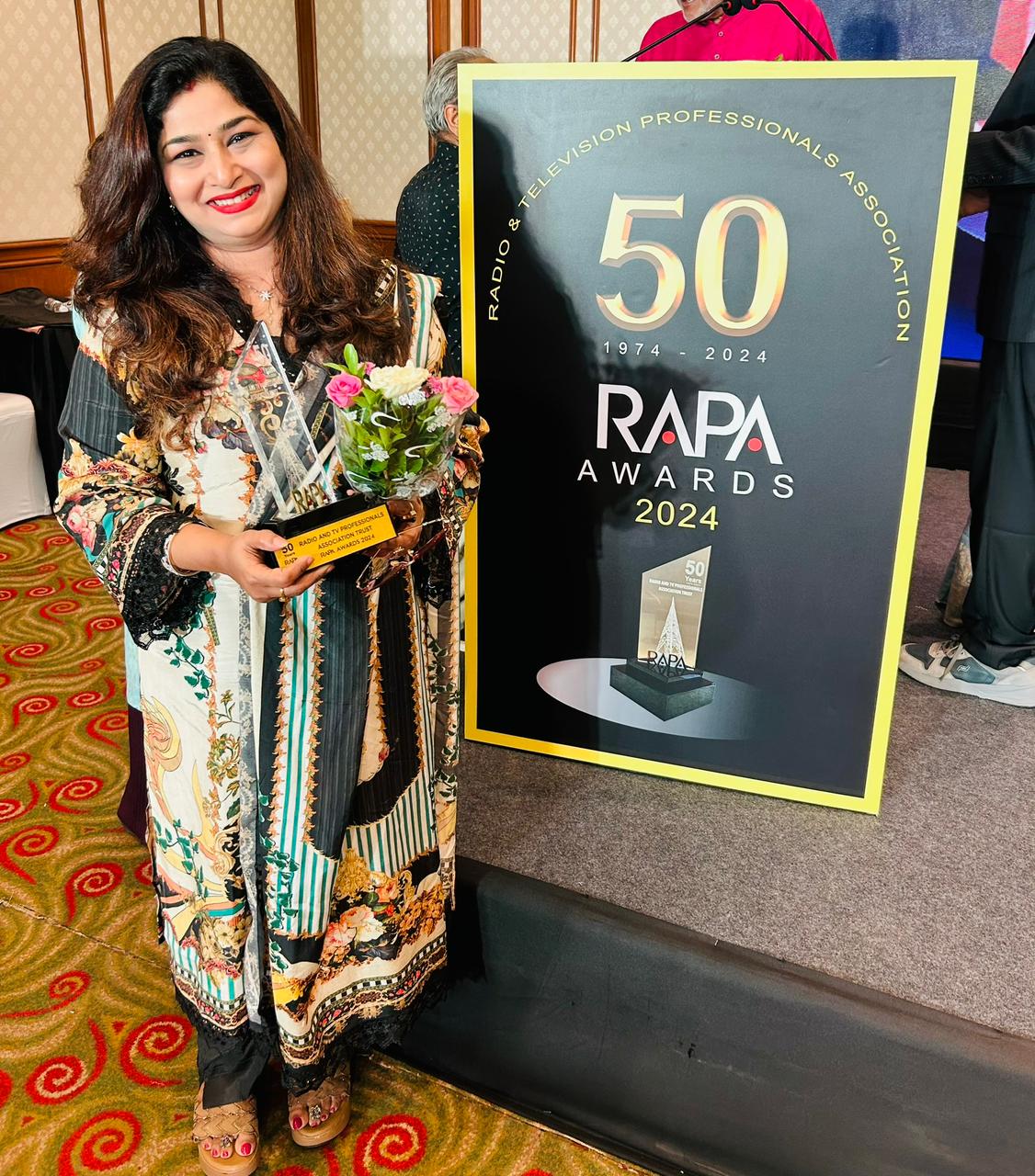
This stellar career has been punctuated by a host of credits and awards as well: India Voice Fest honours, a RAPA award, and a body of work that stretches across streaming titles, commercials, audiobooks, documentaries, animation, and more. Those recognitions matter. Still, what lingers is the coherence of the philosophy beneath them. In Neshma Chemburkar’s account, voice carries memory, training, restraint, feeling, and lineage. To call her a child of theatre, then, is to describe both her beginnings and the life she has built from them.
You can reach out on the following channels