
Failure and the Creative Process
Or: Why, God, why? Oh. That’s why.
I worked (though "slaved away" would be a more apt description) in the advertising industry for about 12 years. I can say two things about the experience with confidence. One, wild horses couldn't drag me back into those places and that lifestyle. And two (maybe this is subjective), no industry embodies the idiom "success has many fathers but failure is an orphan" better than advertising. There are myriad reasons for failure in this allegedly creative but truthfully political industry, and if this opening sounds bitter then, dear reader, it pays homage to ex-colleagues, and the millions of creative ideas that have died quiet deaths and lie buried in unmarked graves, for reasons that had nothing to do with the merits of the ideas themselves.
Not to mention the ideas that started out lovely and then, through that odious process of "creativity by committee", mutated into something else altogether. Kind of like singlehandedly cracking eggs for that classic omelette and finding oneself, some time later, balefully munching on bhurji and bread concocted by a whole bevy of chefs.
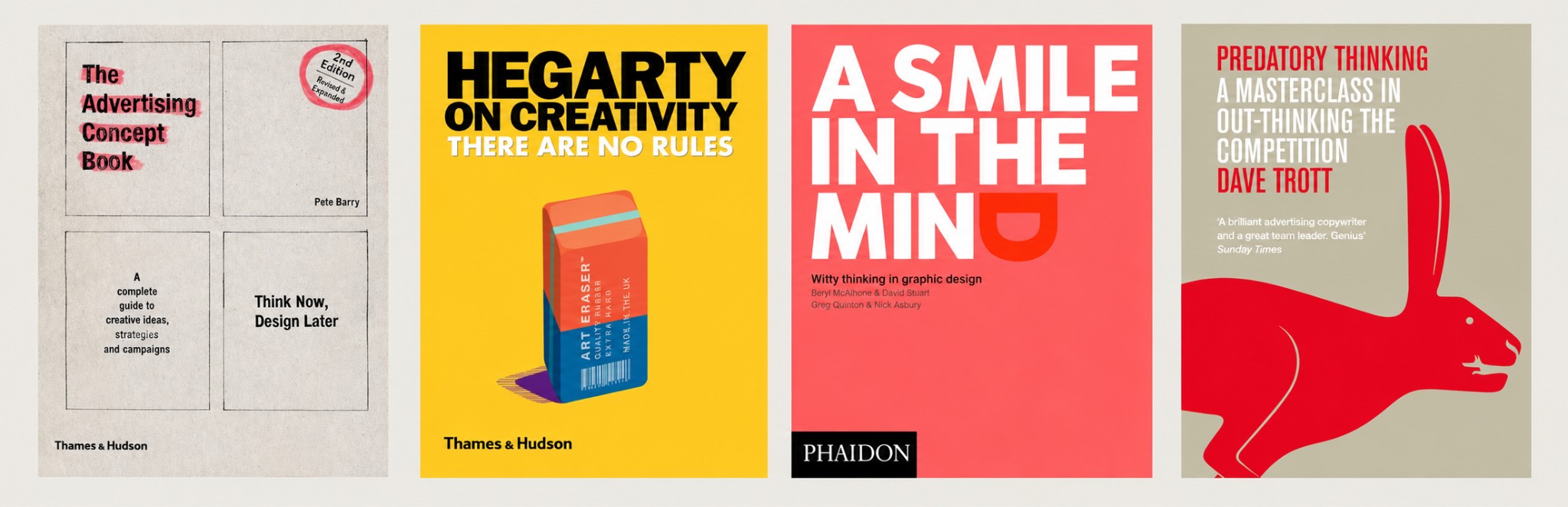
But wait. To be fair it wasn’t all bad. Perusing just four books
Predatory Thinking by Dave Trott, Hegarty on Creativity by John Hegarty, A Smile in the Mind by Beryl McAlhone and David Stuart, and The Advertising Concept Book by Pete Barry
Would give us plenty of insight into the beauty of creativity within art, design, advertising, and business strategy, while suggesting that some amount of constraint does foster superlative creative thinking.
So I took the effort to extricate myself from brooding about the past and conducted some actual research into failure's role in the creative process. The history of animation offers plenty of food for thought. Let me serve up a few examples.
On 19 November 1993, Pixar showed Disney executives a story reel of an unfinished Toy Story, and it went so badly that the film came close to being shut down. Pixar was making what would become the first entirely computer-animated feature, but the problem revealed that day had surprisingly little to do with computers. It was the story, and particularly Woody.
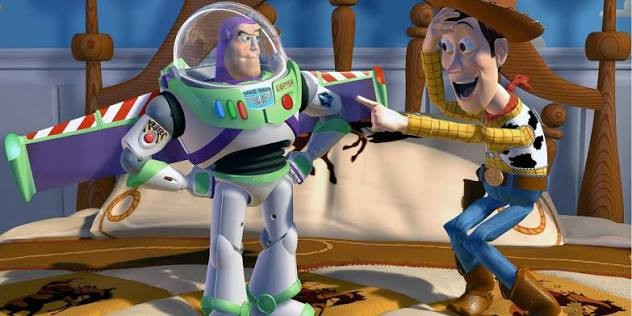
In trying to make him hip and edgy, the team had made him abrasive, cynical and hard to like. Instead of the insecure but fundamentally well-meaning cowboy audiences came to know, this Woody was unpleasant enough to sink the film. Art director Ralph Eggleston later blamed "writer's room banter": everyone trying to one-up each other with dialogue instead of building the character.
Creativity by committee, in other words, and this time it nearly killed the film. Imagine where animated films would be if Toy Story didn’t come out!
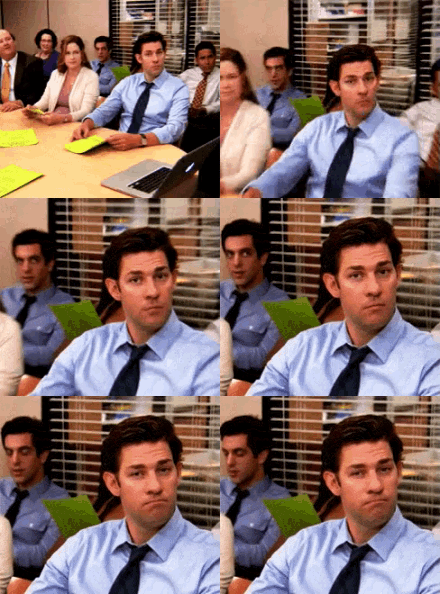
Disney froze hiring while the story team, including John Lasseter, Andrew Stanton, Pete Docter and Joe Ranft, tried to write their way out. They had about two weeks. That wasn't enough time to rebuild the whole film, so they went back to their original instincts and redid the key moments, starting from the character and letting the story follow. The next screening worked, and production continued. The day became known inside Pixar as Black Friday.
It helped that the film still existed mostly as storyboards and story reels. The changes were painful, but the team hadn't yet committed to finished animation that would have had to be thrown away. Toy Story arrived in cinemas in November 1995, and the film audiences saw wasn't a polished version of the one Disney's executives had rejected, but one where its central character had been rethought.
Inside Out (2015) had a similar problem that took far longer to spot. Director Pete Docter originally sent Joy through Riley's mind with Fear, not Sadness. There were good reasons for the pairing, and the scenes were supposedly funny. But about three years in, Docter realised he couldn't say what Joy had learned by the end of the film. So, while the sequences worked; the story wasn’t actually going anywhere.
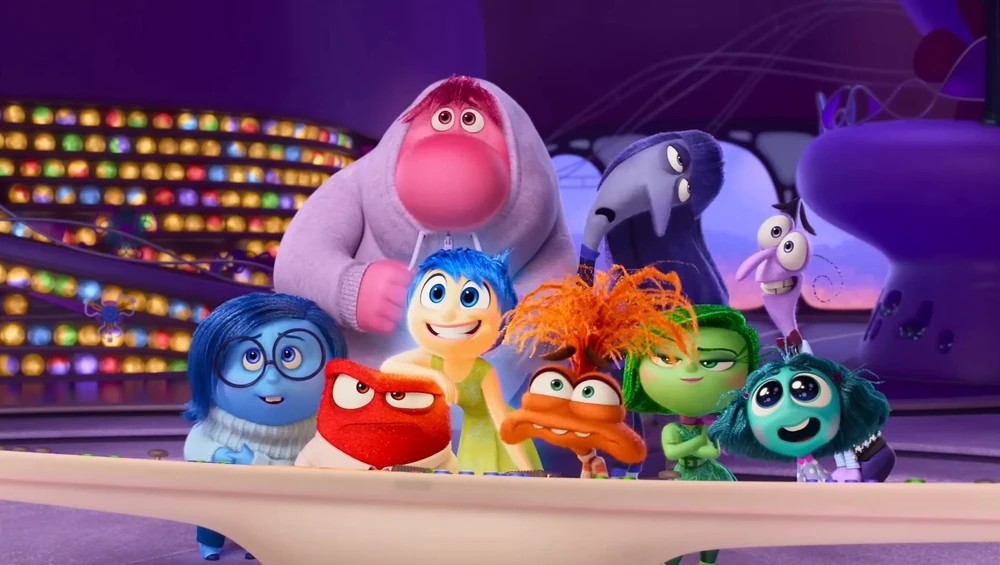
He has described that period, to NPR and Grantland, as a real low point, when he doubted both the film and his own abilities. The breakthrough came when he asked himself what he would miss if he quit. The answer was his friendships, particularly the ones built through hard times as well as good ones. That led him back to Sadness, the emotion Joy treats as an obstacle. Swapping Fear for Sadness gave Joy something to learn, and the team retooled the film around it. In the finished version, Joy's recognition of Sadness's value is what resolves the story.
That's a specific kind of failure. A project can have excellent ideas, appealing characters and entertaining sequences and still not add up to much, and frustratingly enough, there's no technical defect to fix. And because nothing is obviously wrong or broken, a team can spend years working on a problem that no one has framed properly. As an aside here, one creative lesson I did take away from advertising was “Always frame a task as a problem, which makes it somewhat easier to think of a creative solution”. Anyway, onwards.
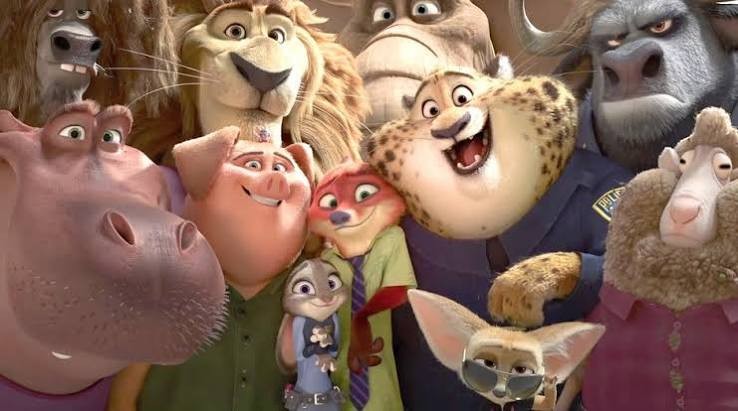
Zootopia (2016) changed something even more basic, i.e., whose story it was. According to director Byron Howard, the first five versions of the film had Nick Wilde, the cynical fox, as the main character. The feedback was that the story felt too dark and even dated (which was fair since it’s not as if we needed more darkness and cynicism at the time… or even now), so the filmmakers moved Judy Hopps, the optimistic rabbit, to the centre. That changed how audiences are introduced to the city. Instead of entering through someone who already distrusts it (the city), viewers discover its prejudices alongside someone (Judy) whose expectations are slowly dismantled.
DreamWorks' How to Train Your Dragon (2010) went further still. Chris Sanders and Dean DeBlois joined late, with, by Sanders' account, around fourteen months to go, and restarted the story more or less from scratch. They made big changes to Cressida Cowell's book while trying to keep its spirit. The book had done nothing wrong by the way; adapting it into this particular film was the challenge. Sanders said that Cowell understood the changes and supported them.
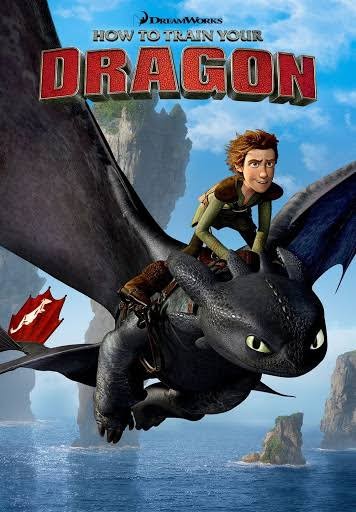
Both films also raise a less comfortable point: timing. Discovering late that something fundamental needs changing can rescue a project, but it also lands a great deal of extra work on the people making it. That a film eventually succeeds doesn't prove the process was ideal, or that the same result couldn't have been reached with less disruption.
Again, in any creative industry, sometimes it is timing, as in, a genius idea blooms way ahead of its time, and withers away because it is impossible to sustain.
Failure isn't confined to the story, either. Sometimes it's how artists find the technique a film needs. Sony Pictures Imageworks wanted Spider-Man: Into the Spider-Verse (2018) to look like a comic book in motion, which meant breaking several conventions of mainstream CG animation. Visual effects supervisor Danny Dimian has said the early test shots, animated on ones (a new pose every frame), were simply too smooth, and motion blur made them smoother still. The finished film was mostly animated on twos, with ones and threes where they suited the action, and dropped conventional motion blur altogether.
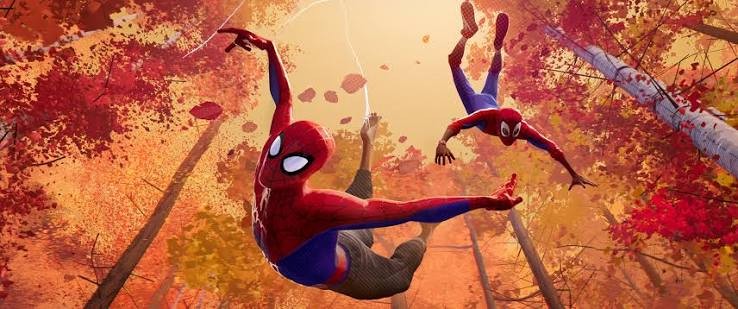
Facial linework was harder. Comic artists convey form and emotion with drawn lines that change with angle and expression. According to effects supervisor Pav Grochola, approaches based on procedural rules looked mechanical, and painting the lines on as textures fell apart as soon as a character turned their head. After trying other methods, the team built a tool that let artists draw lines directly onto the animated characters and nudge them into place. They then trained a machine-learning model on those drawings so it could offer a first pass for new poses and expressions, which artists corrected.
What makes these failures useful is that they were specific. The artists knew what they wanted, could test an approach, see why it fell short and try another. A test that showed conventional animation was wrong for the style was doing exactly what a test should do: finding a limitation before the production depended on it. Not every experiment ends in a breakthrough, of course. Sometimes a technique can't deliver in the time or budget available, and a team has to decide when another attempt is justified and when to move on.
Clarity is an underrated thing, and anyone who has heard those dreadful words
Idea mein maza nahin aa raha hai
(There’s no fun in the idea) will know exactly what this is in reference to.
In a 2011 Harvard Business Review article, Harvard Business School professor Amy Edmondson argued that organisations tend to treat failure as a single, uniformly bad thing, when it comes in different kinds that need different responses. She distinguished preventable failures in routine work, failures that are all but inevitable in complex systems, and intelligent failures that come from experimenting where the answer can't be known in advance. Her research wasn't about filmmaking, but it matters nonetheless. A visual test that fails, an avoidable error in an established pipeline and a film that flops at the box office are not the same kind of event, and treating them as one teaches nothing.
Which brings us to The Iron Giant (1999).
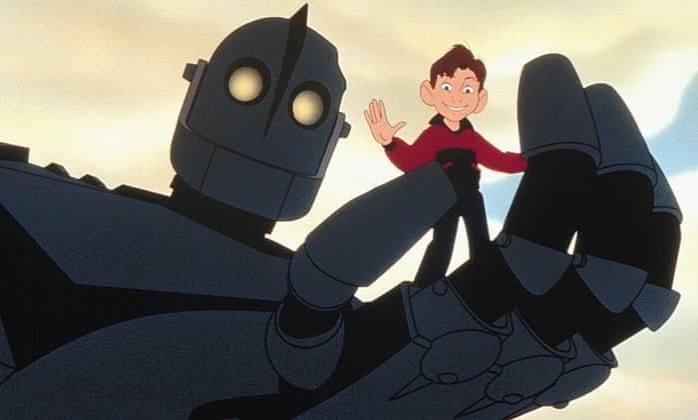
Brad Bird's film got strong reviews and, by Bird's account, some of the highest test scores Warner Bros. had seen in fifteen years. It then opened ninth at the US box office and quickly disappeared. Warner's animation division was reeling from the failure of Quest for Camelot the year before, and The Iron Giant went out with almost no marketing: no fast-food deal, no toys and a single poster. After the test screenings, the studio suggested delaying the release to promote it properly. Bird refused, telling them they had already had two and a half years to get ready. The film found its audience later, on home video and by word of mouth, and is now widely considered a classic.
It would be easy to call this a failure that became a success, but that hides the useful part. The commercial result was real, and later admiration doesn't undo it; Bird himself called the film a "highly regarded financial failure". The causes of that failure, though, had little to do with the animation or the storytelling.
In an industry where hundreds of people can work on a film, their creative contribution is only one of the things that decide whether it succeeds.
The Iron Giant also offers a more direct lesson in learning from criticism. In a 2008 interview with McKinsey Quarterly, Bird described inheriting a demoralised animation team. The previous director had reviewed work privately and sent notes. Bird instead projected each animator's scenes in front of everyone, drew his suggested changes over the frames and invited the room to disagree. Nobody did, because under the previous director speaking up had been dangerous. It took two months before one animator, who had sighed at one of Bird's notes, came up, erased Bird's drawing and showed a better solution. Bird accepted it, and from then on the team learned from each other.
Collective criticism can be productive or destructive, depending on how it's run. Several people commenting on an idea doesn't automatically improve it; that's the committee problem rearing its ugly head again. Neither does a director making every decision unchallenged. It works when criticism identifies a real problem, people can check it out, and a better answer can appear. That depends on artists being able to admit something isn't working without fearing what happens next. It's far away from the fashionable advice that everyone should simply embrace failure.
None of these histories proves that failure improves creativity. We're also looking only at films that survived their difficulties, which makes it dangerously easy to imagine every setback was a necessary step towards the result. Abandoned projects and failed experiments mostly leave no record, and some films may have succeeded despite how they were made, not because of it.
The more useful point is that the right response depends on what went wrong: the idea, the execution, the method, or circumstances that had nothing to do with the work. Early experiments can expose problems before they become embedded in a production, but they don't remove the need for hard decisions later. And criticism can improve the work, provided it's more than a room full of people with opinions.
Which, I suppose, brings me back to failure and creativity as a theme. Whatever my views on the ad industry (or creative industries generally) there is a world of difference between an idea that deserves another attempt, one that genuinely needs fixing, and one that never got a fair chance in the first place. While all three might end up mourned in the same graveyard, the clear, real reasons for their demise are worth knowing.
References