
Colouring It In: What Indian Animation Does With Its Myths
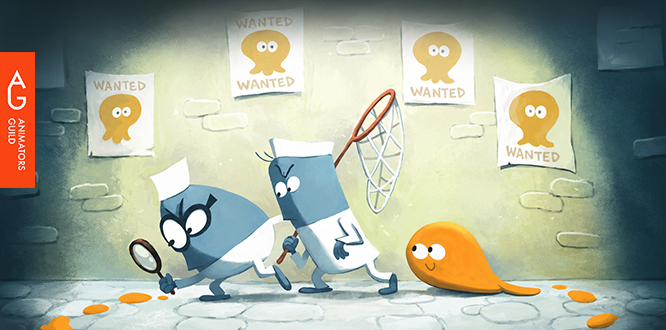
First off, I want to own up to a mea culpa.

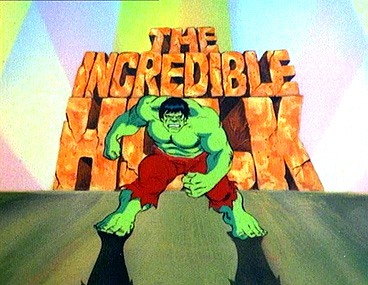
When thinking about this piece, I was all ready to beat my chest in sorrow that India is too much in love with mythological animation to really make a mark on the world stage. Maybe it has something to do with the fact that I grew up watching cartoon shows like He-Man, The Incredible Hulk, Centurions, ThunderCats, SuperTed, Chip ’n Dale, Danger Mouse, Darkwing Duck, Robotech, Captain Planet and a bunch of others. Not one of them was remotely mythological, though I had a reverence for some of these shows that bordered on the religious, so what do I know?
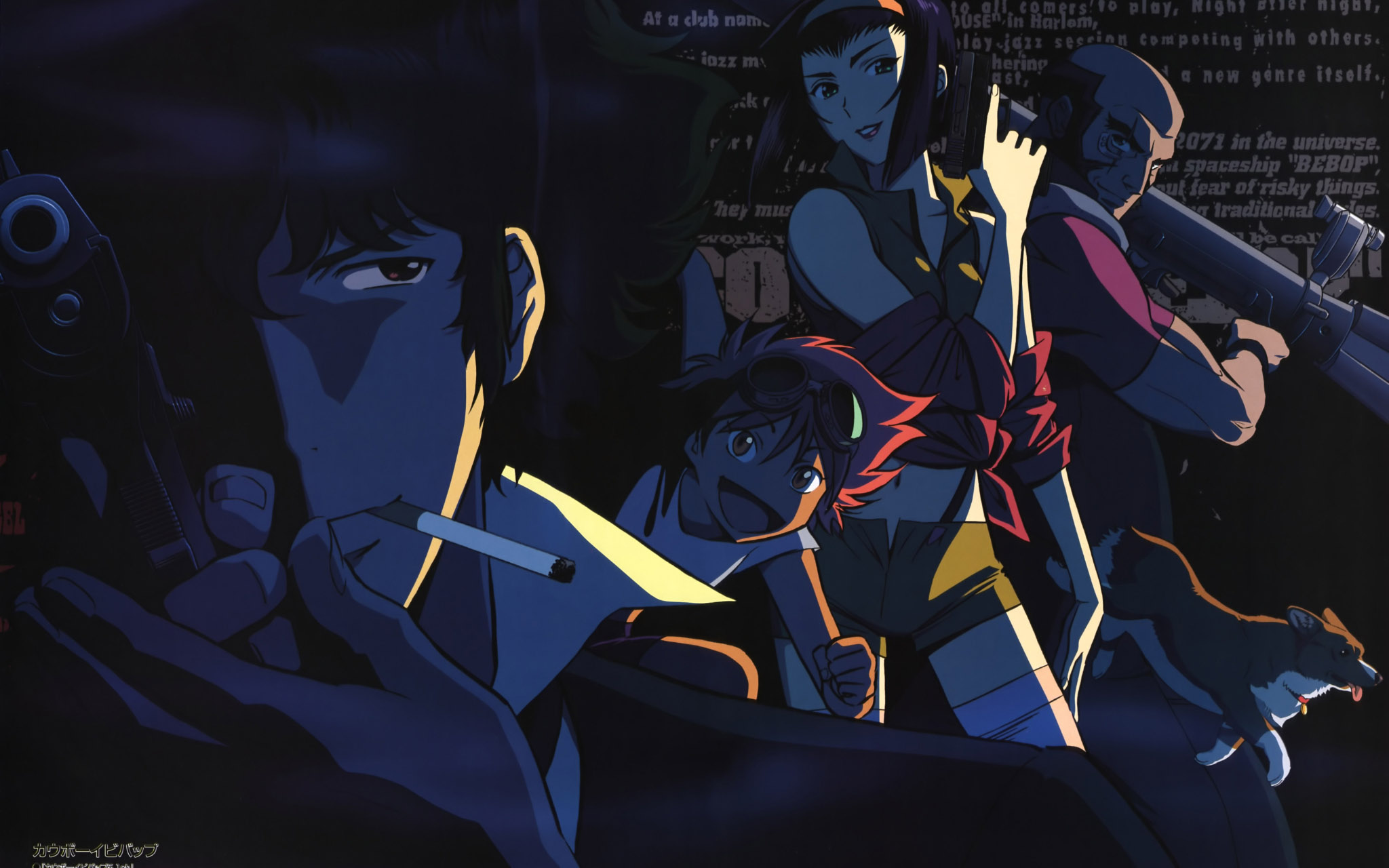
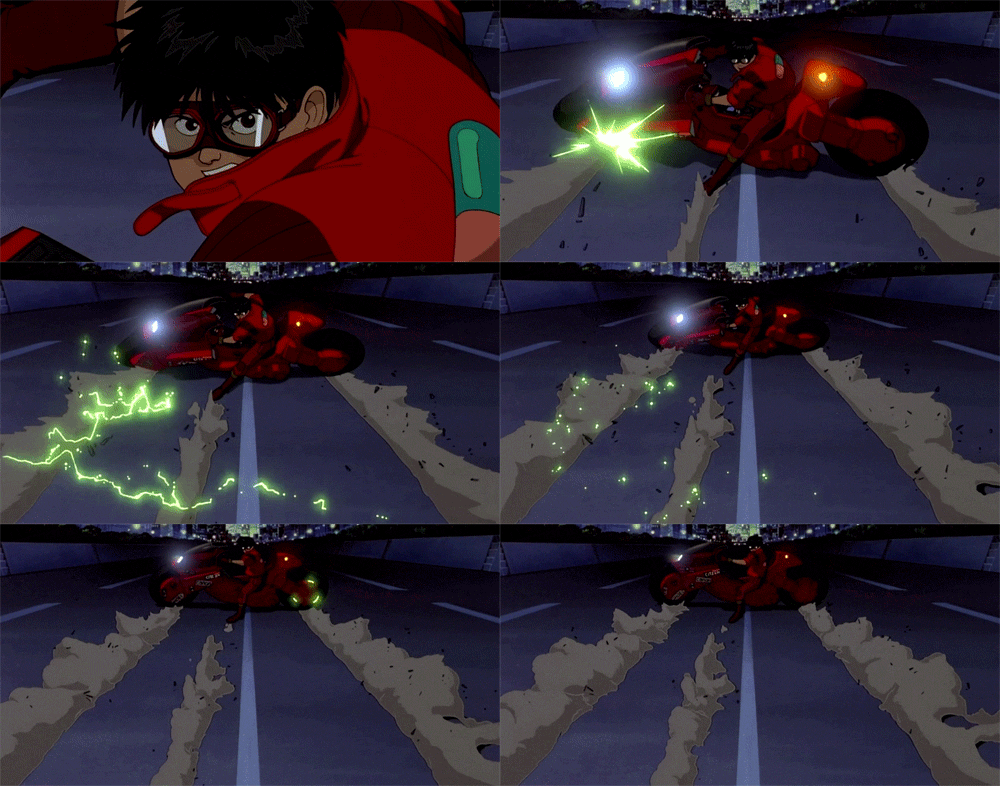
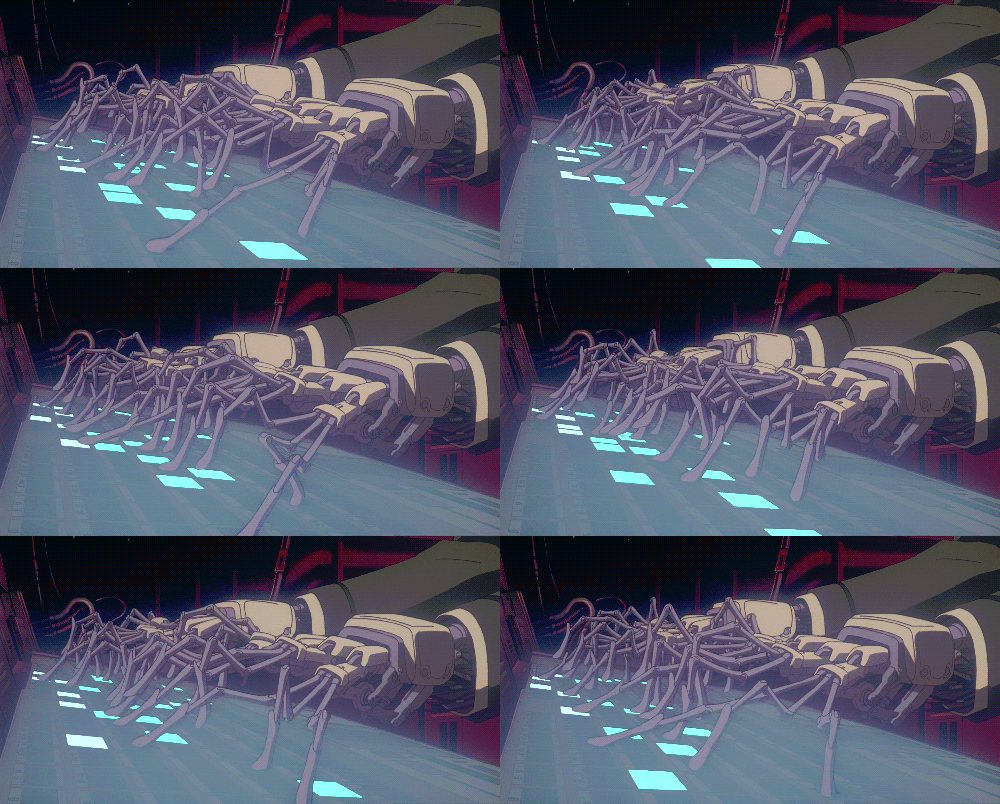
And then there is the fact that my favourite animation by far is Ghost in the Shell (1995), which frankly was way ahead of its time in terms of storytelling and plot. Just blew my mind through my socks, as it were. I watch Hayao Miyazaki’s Spirited Away at least once a year — can’t beat it for the warm, fuzzy feeling it leaves behind — and I’ve seen waaaaay too many homages to the Akira slide (go watch the movie if you don’t know what I am talking about; it’s great). I will also never have enough courage or tears to watch Grave of the Fireflies again — another important movie that I believe everyone in this day and age (looking at you, warmongers) should watch at least once. I am deliberately not going to even mention Cowboy Bebop (specifically the animated series, because there’s supposedly a live-action version out there, egads) because attention is valuable currency these days, and most of us are broke. Yes, I know the above image is Cowboy Bebop. No, we will still not talk about it.
While I haven’t seen it, I’ve read enough to believe Bluey makes adults cry with its storytelling and the themes it explores. You know, maybe there’s an idea for an article about Bluey in this as well. Stay tuned.
Which got me wondering: why does not a single Indian animated movie come to my mind with the same depth of feeling or fervour? And this is where the mea culpa comes in. I thought, “Let’s blame it on the fact that we’re obsessed with making a certain kind of animation,” and was all ready, fingers raised, to er, raise hell on the keyboard.
But there’s the rub, dear reader. Sanity took over, and a reasonably thorough bit of research has basically given me enough ingredients to make a very, very large batch of humble pie indeed. Because the fact of the matter is that India does not only make mythological animation. Not even close. Yup, I didn’t see that coming and was feeling slightly deflated.
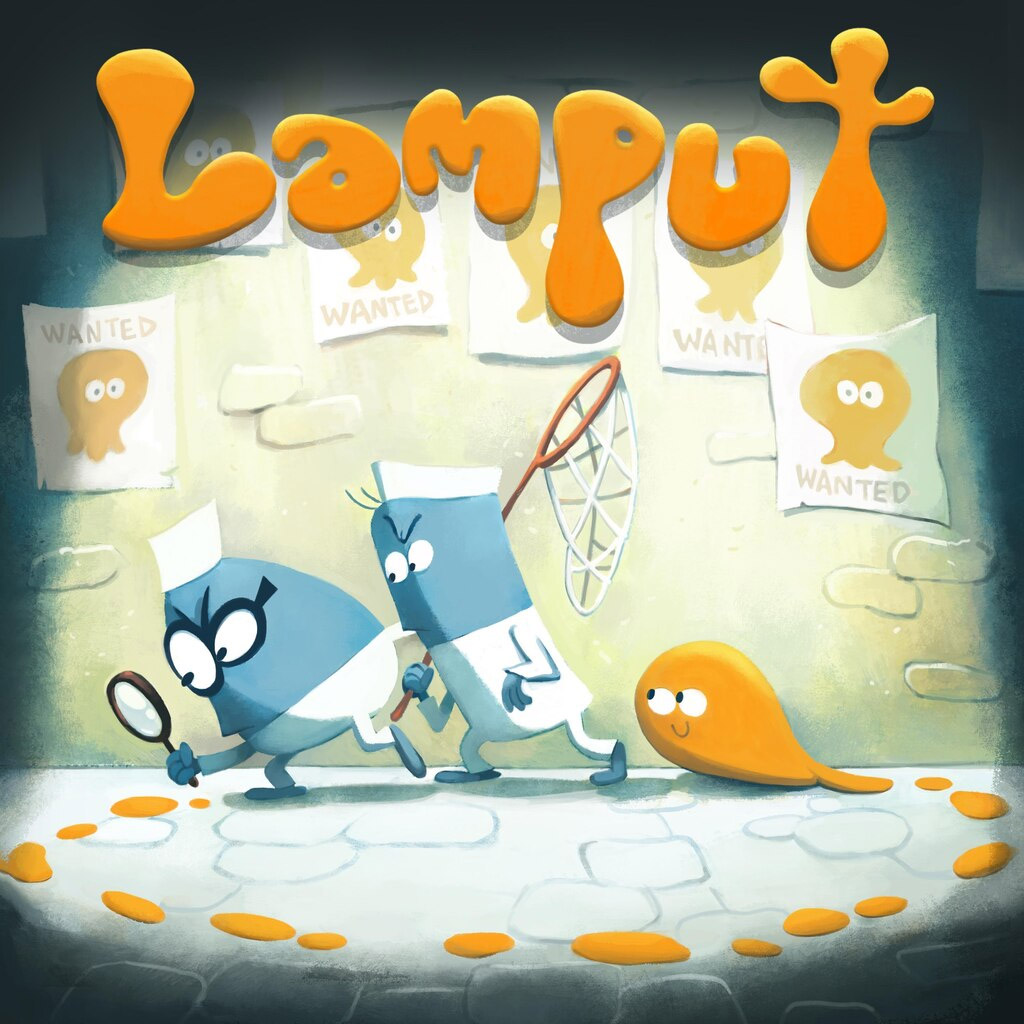
Looking through Indian animation over the past decade, we’ll find Motu Patlu, Lamput, Rudra, Honey Bunny, Fukrey Boyzzz, Chikoo Aur Bunty, Titoo, Mighty Little Bheem, Baahubali: The Lost Legends and plenty more. Superheroes, slapstick, fantasy, ghosts, film spin-offs, talking animals and perpetually hungry children. In fact, Mighty Little Bheem, which borrows from a familiar Indian cultural and mythological vocabulary without actually being bound to mythology, and arguably one of the most successful Indian animated properties internationally, had been watched by more than 27 million households outside India by 2022.
So, mea culpa duly offered.
But wait, there’s more (as if I was going to give up that easy). Mythology does have an interesting relationship with Indian animation, particularly when we start looking at feature films.
2005’s Hanuman became one of the earliest genuine commercial successes for an Indian animated feature, earning ₹5.38 crore net at the domestic box office. Ok, it’s not exactly The Lion King kind of money, but enough for the film to be classified a semi-hit at a time when Indian theatrical animation barely had a market.
Predictably what followed was Bal Ganesh, Return of Hanuman, Ramayana: The Epic, Krishna Aur Kans, Arjun: The Warrior Prince, Mahabharat and others. The goose - potential golden eggs situation, you know.
Curiously, it does seem like most of them failed to serve up any aurum omelettes theatrically. And then, twenty years after Hanuman, along came a juggernaut. Mahavatar Narsimha. The 2025 film earned roughly ₹326 crore worldwide, becoming, by some considerable distance, the highest-grossing Indian animated film ever.
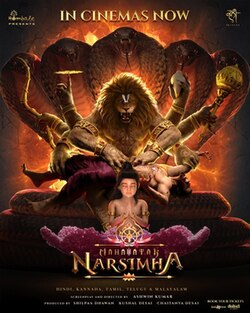
I’ve read enough mythology to appreciate the irony of a film on Narsimha comprehensively destroying any hubris or argument I might have made that Indian audiences are tired of mythology. PSA: they are not. So, I consoled myself by pondering on a more interesting question: What do we do with mythology once we decide to animate it? Because mythology should be magnificent dramatic material.
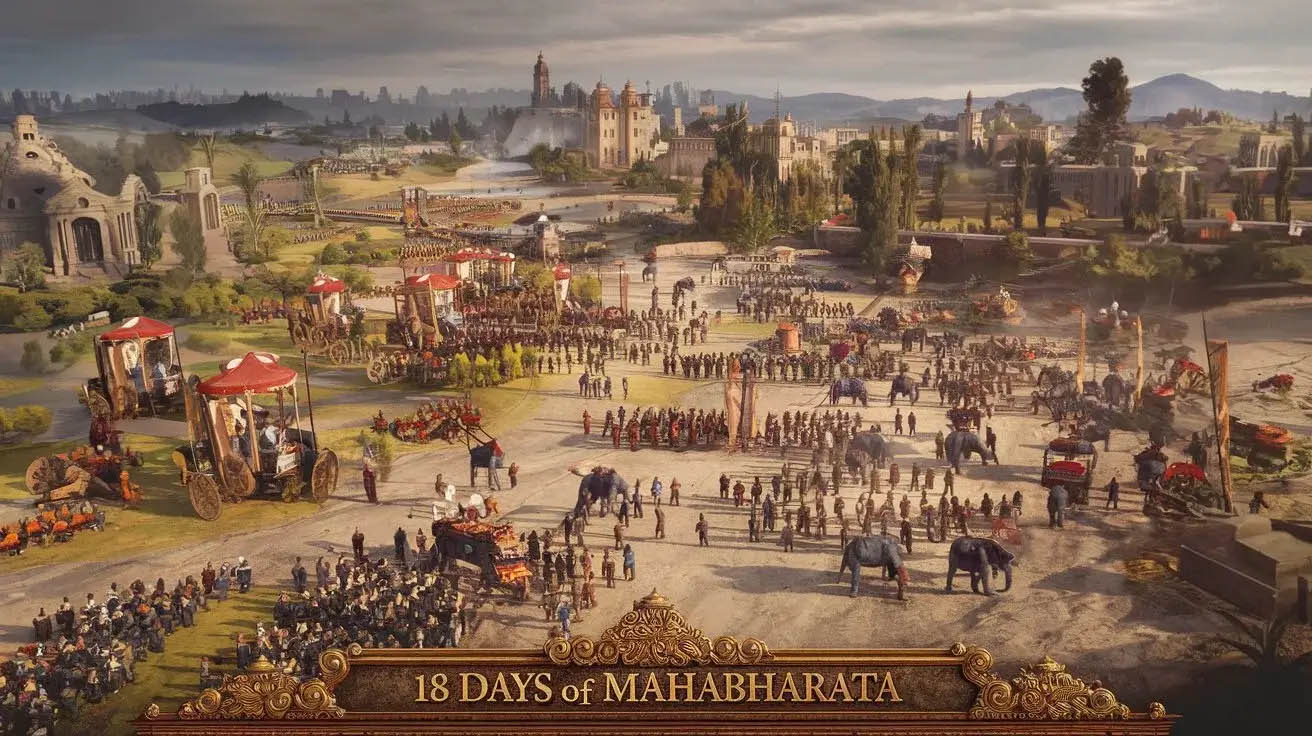
Take the Mahabharata. Strip away everything you learned about it in school or through reverential television adaptations and look at the people. They are jealous, vain, honourable, petty, loyal, deceitful, courageous, insecure, compassionate, cruel and frequently contradictory. Sometimes the same character manages several of these before breakfast. While I continue on the humble pie, any writer worth their salt could easily feast on this veritable buffet.
Yet there is a temptation, particularly when dealing with figures who continue to be worshipped, to let reverence place limits on how freely they can be treated as dramatic characters, which is something to consider. A dramatic character can be wrong, ridiculous, lose an argument, be frightened, selfish, confused or unlikeable. The audience is allowed to question them.
But a sacred figure has to be approached rather more carefully. And once enough things become bounded by expectations of reverence — character, appearance, motivation, dialogue, morality, perhaps even the familiar visual language surrounding them — an animator or writer begins to have considerably less room in which to play. At that point you're not adapting the story anymore. You're just colouring it in.
This is not an argument for giving Hanuman a Marvel character-esq character refresh. Please don’t.
Netflix’s Kurukshetra, for example, returned to the Mahabharata in 2025 but structured its story through the perspectives of 18 warriors, explicitly focusing on their internal dilemmas, vendettas and the human cost of the war. Whether every creative choice works is a separate discussion, but the instinct is promising, what? The epic is material to look at from a different place, not merely something to reproduce blandly, and repeatedly.
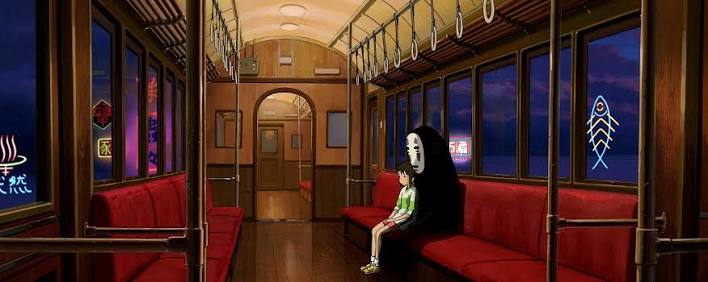
And mythology itself clearly isn’t incompatible with international storytelling. Spirited Away, one of the most globally celebrated animated films ever made, is soaked in Japanese folklore, spirits and Shinto-inflected imagery. Its international acclaim certainly didn’t come from Miyazaki making it culturally neutral. Quite the opposite in fact. More recently, Demon Slayer is a worldwide phenomenon. It too draws heavily from Japanese myths.
Which brings me to Return of the Jungle. Inspired by India’s animal-fable tradition rather than populated by gods who remain objects of worship, it has one immediate creative luxury: nobody is going to be (one hopes feebly) terribly offended if the jackal is not very smart. Animals can be greedy, pompous, cowardly, manipulative, vain, kind, murderous or spectacularly stupid. You can pull the story apart, move it somewhere else, invent relationships, change motivations, make somebody the butt of the joke. There is room to do something, within constraints. Which is a rough and ready definition of creativity.
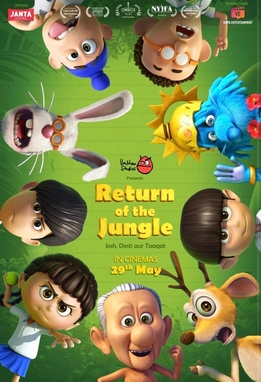
Vaibhav Kumaresh, who directed Return of the Jungle, has talked about exactly this freedom. His animals "have animal bodies but human qualities" — which sounds like a small distinction until you realise what it allows for. A fox can be an idiot. A bear can be a coward. Nobody's sensibilities will get hurt. We hope.
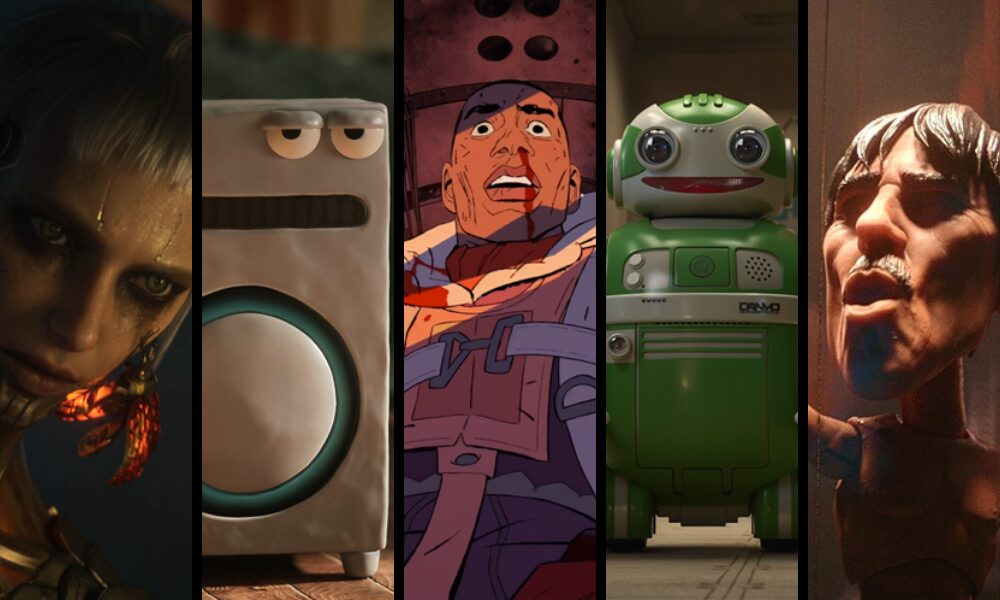
That matters because India really does not lack source material. Park the two great epics for a moment. We have the Panchatantra, the Jataka Tales, Hitopadesha, regional folklore, ghost stories, tribal traditions, children’s literature, graphic novels, urban legends and centuries of oral storytelling. You’re telling me Netflix or Prime wouldn’t salivate at the thought of an Indian ghost story series that has the sensibilities of Love, Death and Robots or Secret Level? Not an imitation of either, mind you, but that same willingness to go visually and narratively wherever the material takes you.
So I started this piece thinking perhaps Indian animation needed to stop looking towards mythology only. I don't think that anymore. If Mahavatar Narsimha can turn a story centuries old into the biggest Indian animated film ever made, there is obviously life in the old stories yet. Mythology, then, isn't the problem. What we do with it still can be. So having eaten my words along with the humble pie, here's what I’m asking: push past the expected, the typical slapstick a little more often, and let something ask an existential question or two — a la Ghost in the Shell. Or if not a Paprika, then at least a Long Pepper? Ok, I will cease and desist.
Maybe it's more useful to stop assuming that picking the story is the same thing as having an idea. Choosing Hanuman, or the Panchatantra, or some ghost story nobody's animated yet… that's just step one. What you do with it once you've picked it is the actual job at hand.