
What Makes Indian Animation Indian?
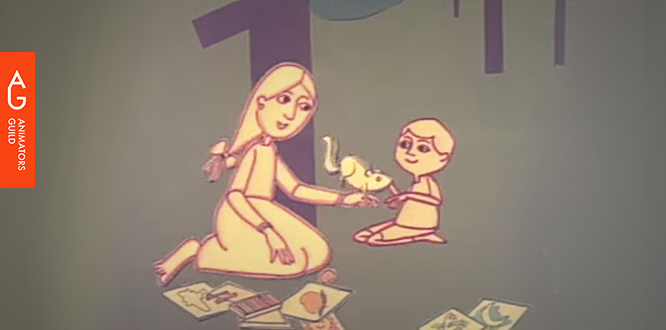
For Indians of a certain age, the first strains of Ek Anek Aur Ekta can immediately signal an “All aboard” call for the nostalgia train. The animation is simple, the lesson direct, the overall feeling unmistakably Doordarshan. A child points at one bird, then many, as the song builds around counting, sharing, gathering and becoming — less an exercise in animation than a lesson in nation-building. The Films Division archive describes Ek Anek Aur Anekta as a 1974 children’s film directed by Vijaya Mulay, with design and animation by Bhimsain and music by Vasant Desai, made to teach children the value of unity in a culturally diverse country.
Does Indian animation begin in the moment that film was made and screened? No, but the memory is a useful milestone because it carries one of Indian animation’s recurring instincts: to use image, rhythm, repetition, song, story and moral clarity to transmit a way of seeing the world, not just entertain. In that sense, the video of Ek Anek Aur Ekta asks a much larger question… What makes Indian animation Indian?
Please, let’s not start answering this question with “India has a rich cultural heritage”. While it’s true, that phrase has been used so often it now reads as a cliche. Neither is the answer as simple (or rather, gratingly simplistic) as adding a sitar, a temple bell, a mythological character, a folk motif or a moral at the end. Indian animation becomes meaningfully Indian when it draws from the country’s deeper storytelling systems; oral narration, fables, epics, music, humour, regional idiom, folk art, ritual, family structures, performance traditions and the uniquely Indian comfort with holding the sacred, comic, everyday and fantastical in the same frame. And that’s just for starters.
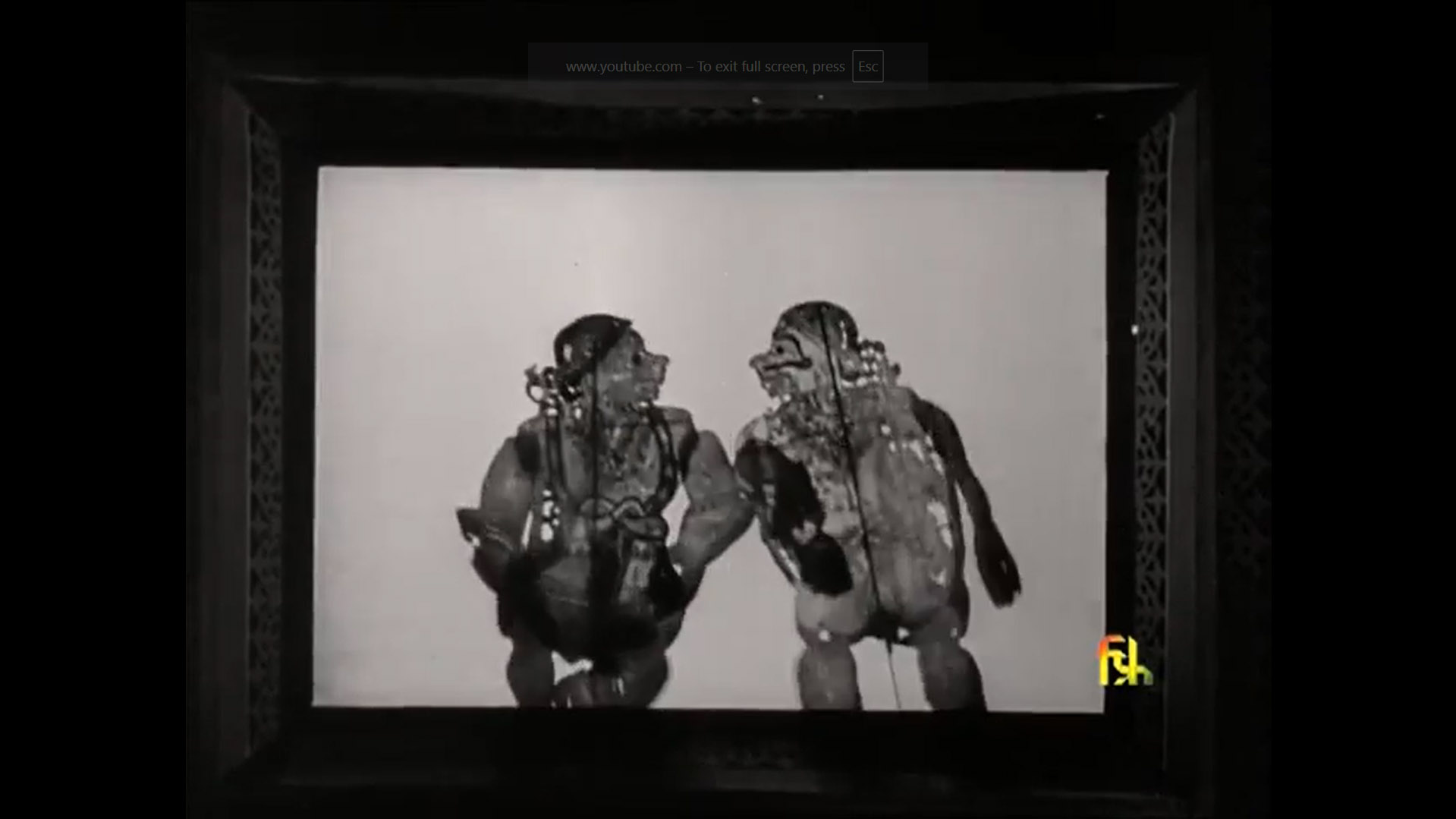
Long before animation became a screen industry, Indian stories had already learned to shapeshift evocatively. They moved through puppets, scrolls, temple walls, folk theatre, stories/kathas, songs, masks, murals, painted panels, travelling narrators and domestic retellings. To call all of this “animation” would be inaccurate but to ignore this artistic inheritance would be misleading too. Indian animation arrived in a culture where images were already being narrated, sung, performed, repeated and reinterpreted across generations.
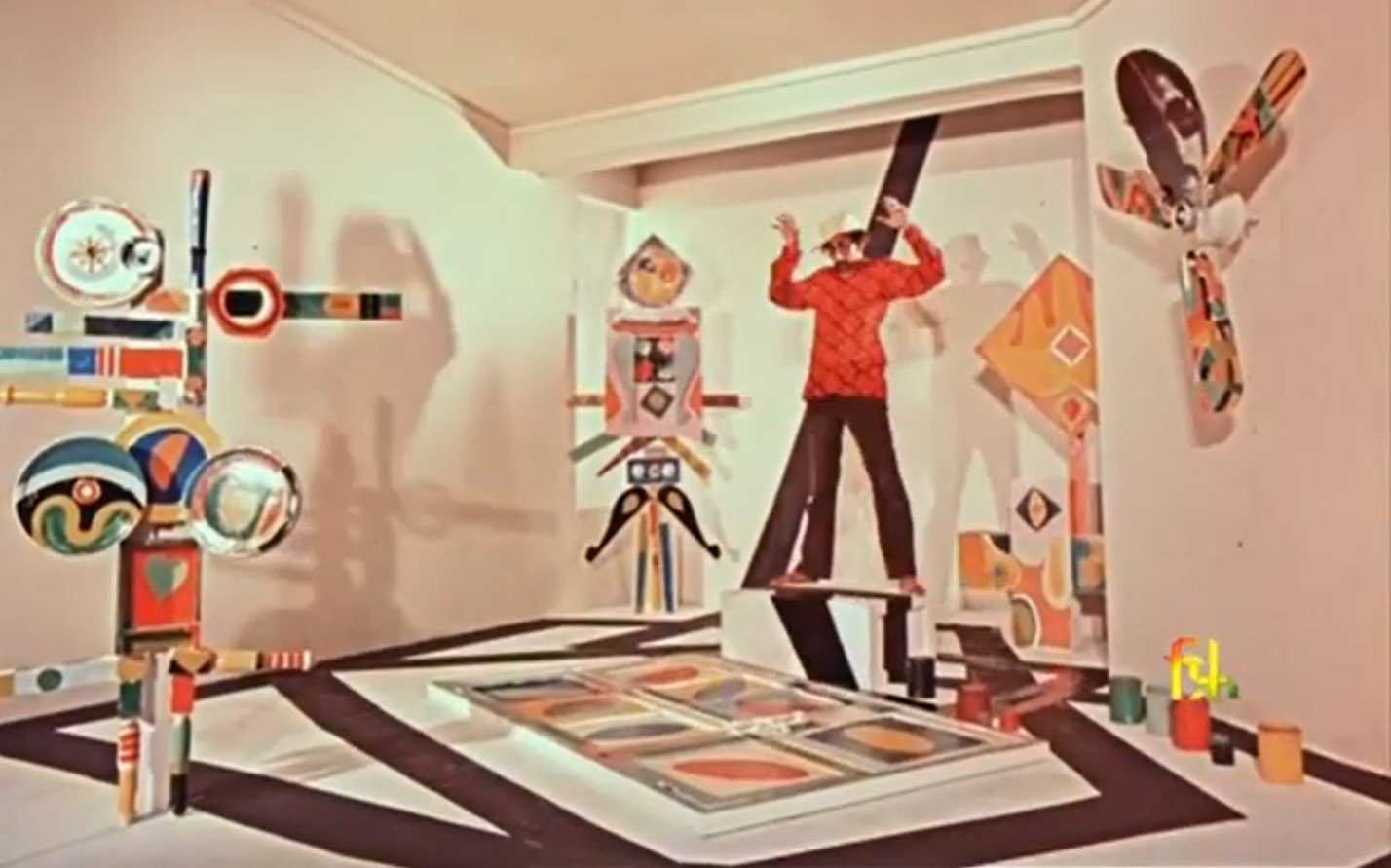
The recorded history of Indian animation itself is older than the nostalgia of public broadcasting. Early histories commonly point to Dadasaheb Phalke’s experiments with time-lapse and stop-motion-like work, including Agkadyanchi Mouj or Matchsticks’ Fun, and later to the 1934 shorts that mark an important theatrical phase: The Pea Brothers, directed by Gunamoy Banerjee and produced by New Theatres Limited; On a Moonlit Night; and Jambu Kaka. Documentation around these early works can be uneven, and absolute ‘first’ claims should be handled with care. What matters is the larger pattern: Indian filmmakers and artists were experimenting early with movement, illusion and handmade transformation.
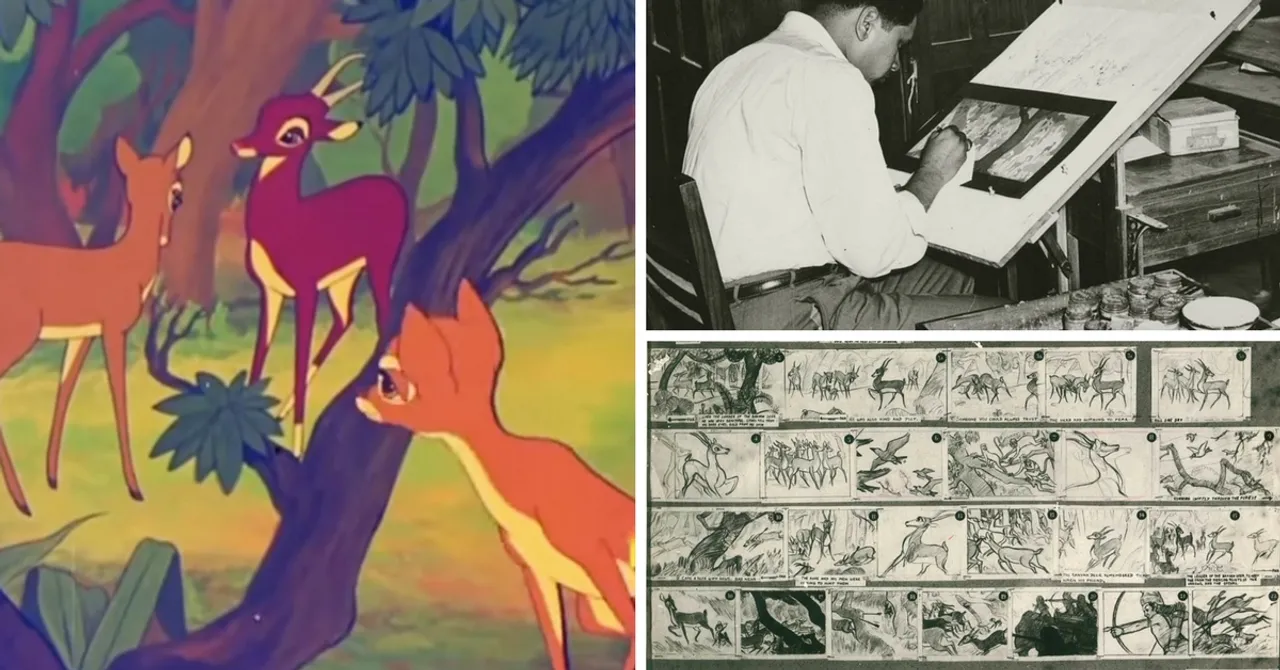
By the late 1950s, animation was also finding a place within state-supported film culture. Banyan Deer, produced by Films Division and listed in its archive as a 1959 colour film directed by Govind Saraiya/G. H. Saraiya, is based on a Buddhist Jataka story. The archive describes it as a cartoon-technique film illustrating how self-immolation brings about a change from violence to non-violence. Whatever else one may say about its technique or period, its source is telling. Along with imitating cartoon grammar from other parts of the world, early Indian animation was also reaching into fable and older narrative traditions.
This is where traditional art becomes important, but also where it is most often misunderstood. It’s quite easy for folk and classical visual forms to be treated as decorative proof of rootedness sometimes: a Warli border here, a Madhubani texture there, a Pattachitra face, a miniature-inspired palace, etc. It is only when used seriously, and with deliberation, that these forms change the grammar of the animated frame instead of being reduced to tokenism or costume.
A Warli-inspired sequence does not organise space the way a Disney or Studio Ghibli-derived frame might. Madhubani does not treat proportion, pattern or density as background embellishment. Pattachitra carries a different sense of line, ornament, iconography and narrative arrangement. Miniature painting often holds multiple events, gestures and symbols within a single field of attention. These forms ask different questions of movement. How does a figure travel across a flattened space? How does pattern become rhythm? How does colour carry hierarchy, emotion or symbolism? How does narration enter and enhance the frame?
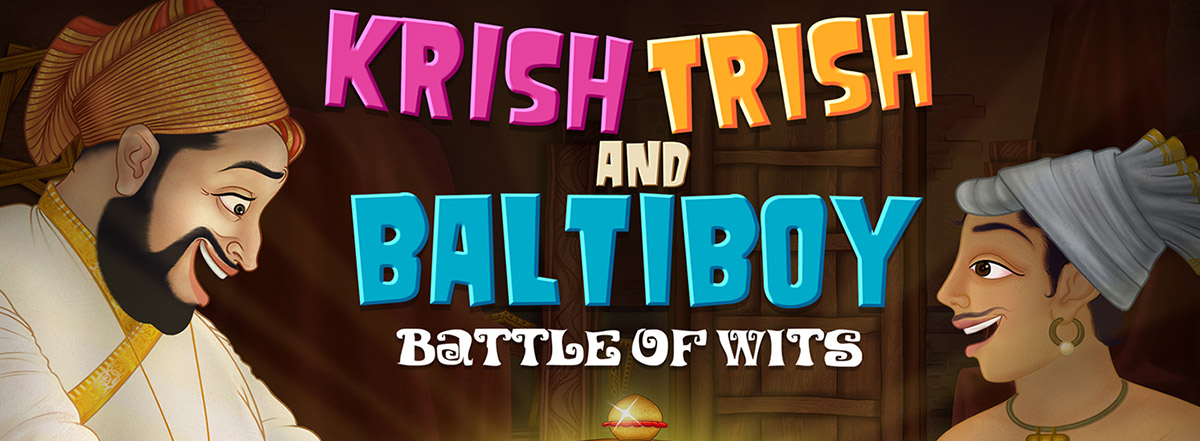
That is why projects such as Krish, Trish and Baltiboy are useful to this discussion. Graphiti Multimedia describes the series as an effort to restore lost folk paintings and expose children to folk stories, folk paintings and folk music from India and beyond. Its own note says the creators adapted styles including Mughal miniatures, Madhubani, Warli and Pattachitra into animation. The significance lies not merely in the use of these art forms, but in the attempt to let children encounter stories through varied visual traditions rather than one standard cartoon language..
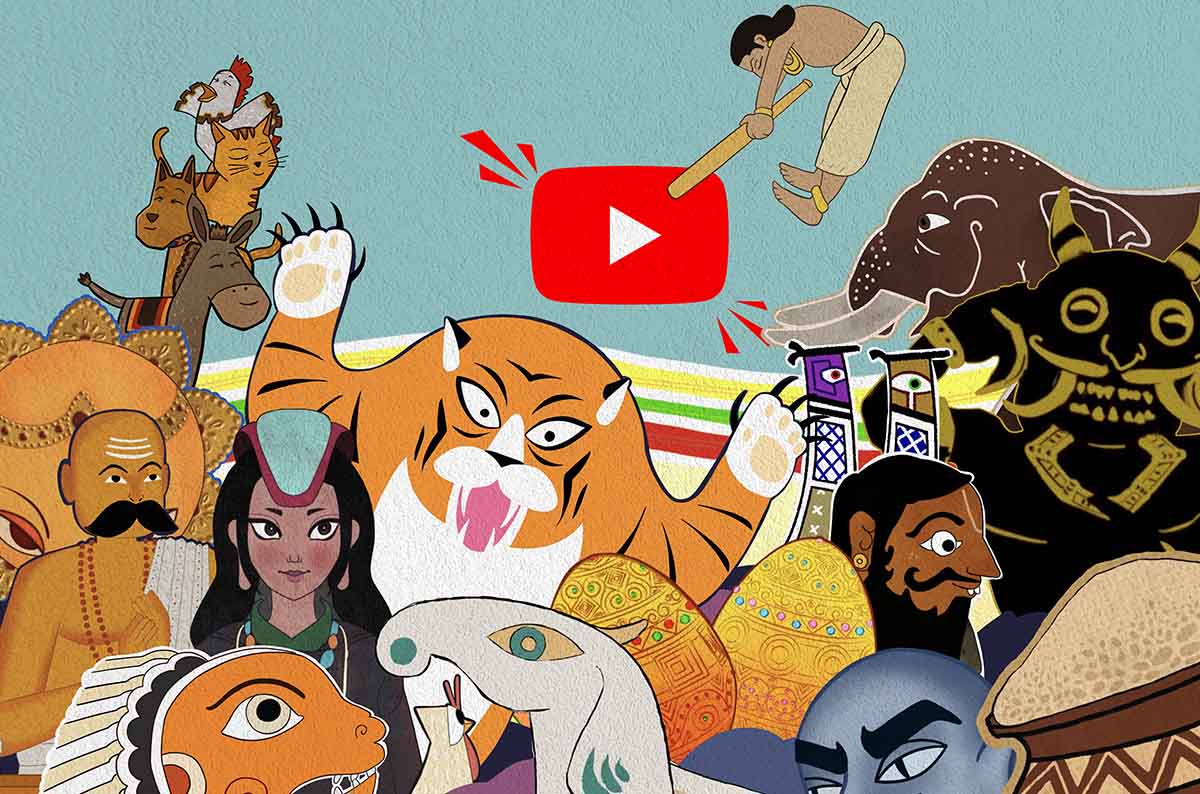
Other projects on YouTube such as Folktales of India showed how digital platforms could function as informal archives of regional storytelling. The series is best described as moral-driven tales illustrated and animated in regional art styles, with stories sourced through books, online references, recommendations and oral stories from elders, then curated by region, narrative, art style and moral. Trip Creative Services’ own project pages also identify specific regional art choices, such as the use of Maharashtra’s Chitrakathi style for a tale from the state. This is a subtle but important shift. The lineage from Films Division and Doordarshan has moved into YouTube channels, design studios, classrooms and independent digital projects where heritage is rediscovered, packaged and shared in smaller forms, not broadcast centrally.
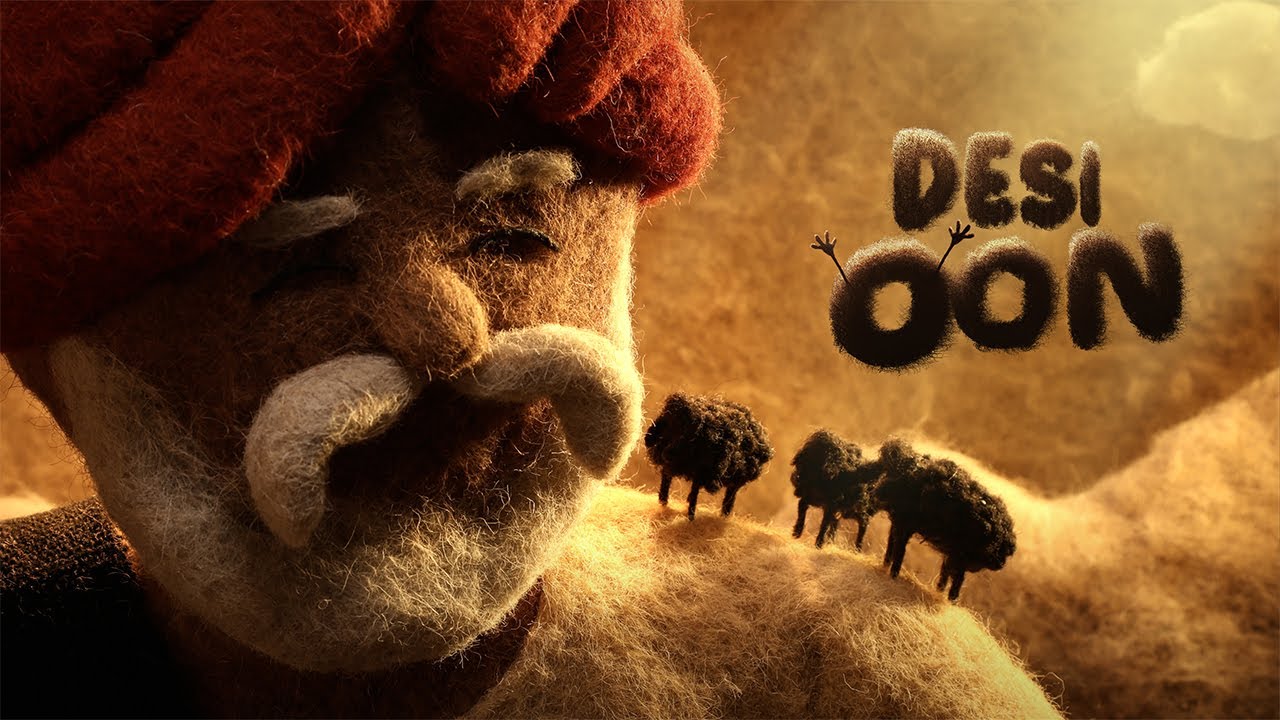
Studio Eeksaurus’ Desi Oon takes this relationship between animation, material and heritage even further. Directed by Suresh Eriyat, the six-minute stop-motion film gives voice to indigenous Indian wool, particularly Deccani wool, and to the pastoral communities connected to it. The Press Information Bureau reported that Desi Oon won the Jury Award for Best Commissioned Film at the Annecy International Animation Festival 2025, while D&AD describes the film as exploring the cultural, spiritual and ecological relationship between Deccani wool, the land and its people. What makes the film especially relevant here is its medium. Stop-motion’s tactile quality kind of echoes the material being discussed. Wool, craft, landscape and livelihood become part of the film’s physical language, not just background themes. The film also sits within a longer Studio Eeksaurus tradition of adult, formally inventive Indian animation, including Fisherwoman and Tuk Tuk, which won the National Award for Best Animation Film and travelled widely across festivals.
Still, Indian animation cannot be reduced to folk art. Mythology, however, remains one of its most visible and commercially persistent sources. An essay in Animation Studies notes the significant use of Hindu mythological characters and themes in mainstream Indian animation over the past two decades, taking Pandavas: The Five Warriors in 2000 as one major starting point for that commercial lineage.
Mythological animation in India operates differently from fantasy elsewhere because many of its characters are not merely fictional properties. Even today, Hanuman, Krishna, Ganesha, Draupadi or the Pandavas are already worshipped, staged, televised, painted, sung to, joked about, moralised, politicised and remembered. So they belong to homes as much as to screens. This gives Indian animation enormous emotional access, but also a burden. The animator is not only designing a character; often, they are entering a living relationship between audience and belief, which can be a tricky map to navigate.
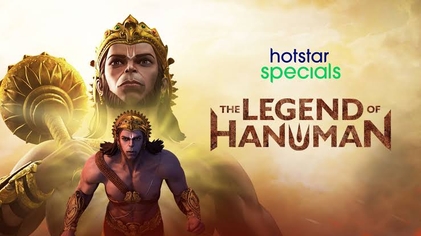
That explains the continuing pull of Hanuman in Indian animation. It also explains why contemporary mythological series such as The Legend of Hanuman matter. Reports identify the Disney+ Hotstar series as a 13-episode animated work created by Sharad Devarajan, Jeevan J. Kang and Charuvi P. Singhal, with Sharad Kelkar as narrator. The series belongs to a newer phase in which Indian mythological animation can become more cinematic, serialised and platform-native, working at the scale of epic drama, and not confined to brief moral instruction or simple children’s retellings.
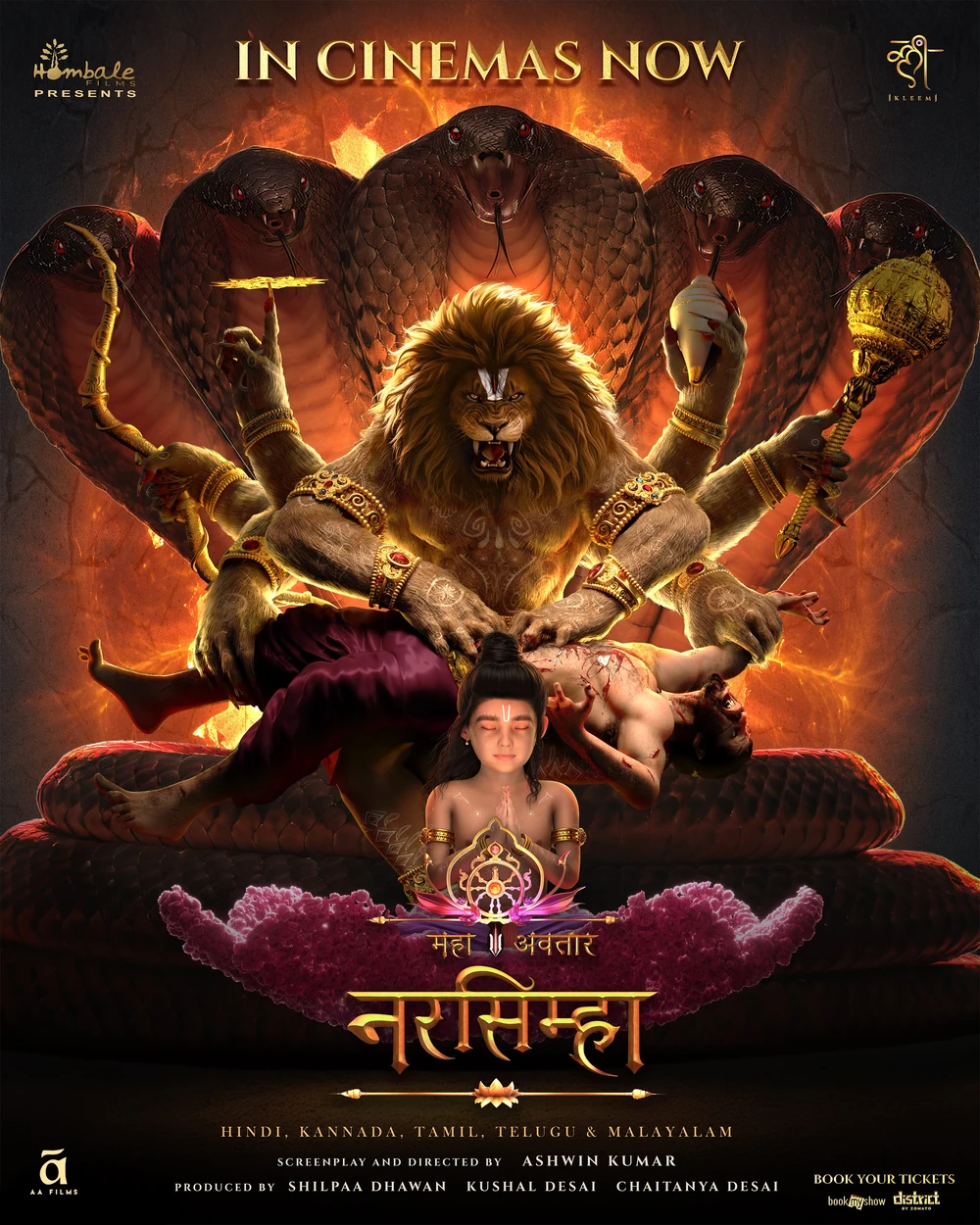
The commercial force of mythological animation became impossible to ignore with a juggernaut like Mahavatar Narsimha. Directed by Ashwin Kumar, the animated mythological epic drew on the story of Vishnu’s Narasimha avatar and Prahlad’s devotion, and went on to become India’s highest-grossing animated film. Hindustan Times reported that the film ended its theatrical run with ₹250.50 crore net and ₹298 crore gross in India on a reported ₹40 crore budget, with the Hindi version alone accounting for ₹188 crore net. The numbers matter because they show that mythological animation, when mounted at scale and received across languages, can move from niche or children’s viewing into mainstream theatrical event culture.
The risk, of course, is that the lesson will be reduced to “make more mythology.” The more useful lesson is harder, which is that myth can travel powerfully when it is built with conviction, cultural fluency and cinematic ambition. The strongest Indian animation must use myth as living material. It must understand why these stories endure, not merely assume that their presence guarantees meaning.
Equally, any honest answer to “what makes Indian animation Indian?” must move beyond gods, fables and children.
Indian animation is also capable of being urban, adult, political, romantic, bruised and cinematic. Gitanjali Rao’s Bombay Rose is crucial for this reason. The film opened the Venice International Film Festival’s Critics’ Week, with the selection note describing it as Rao’s first animated feature after years of development. It was made through frame-by-frame painted animation, and accounts of the film describe its visual world as drawing from sources as varied as Mughal miniatures, Kashmiri truck art and old Bollywood posters.
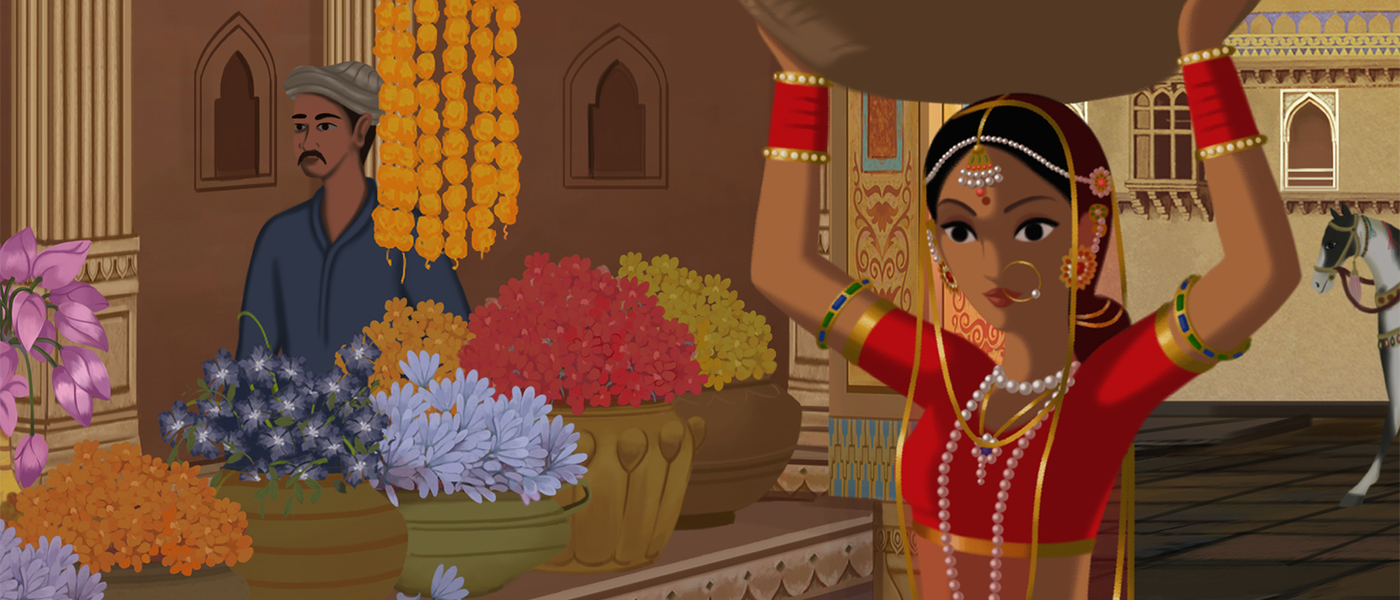
In Bombay Rose, Indian-ness is depicted not via a divine figure or a village folktale alone but through Mumbai’s density, cinema hoardings, migrant longing, impossible romance, colour, commerce and survival. The city becomes animated as a space of fantasy and pressure. This matters because it widens the field. Indian animation need not always look backward to tradition; it can also look sideways at the street, the billboard, the railway platform, the informal settlement, the cinema hall, and the dream-life of a city that has always sold dreams.
Indian-ness in animation is occasionally invisible, because sometimes the desi flavour is in the sound of a line, the rhythm of a joke, the way an elder cuts into a conversation, or the way a child negotiates with exaggerated seriousness. A character may look Indian and still feel borrowed if the voice, timing, humour and emotional register are wrong. Often, what makes the world believable is harder to describe… it can be as simple as a turn of phrase or as complicated as how many emotional elements co-exist in the same frame.
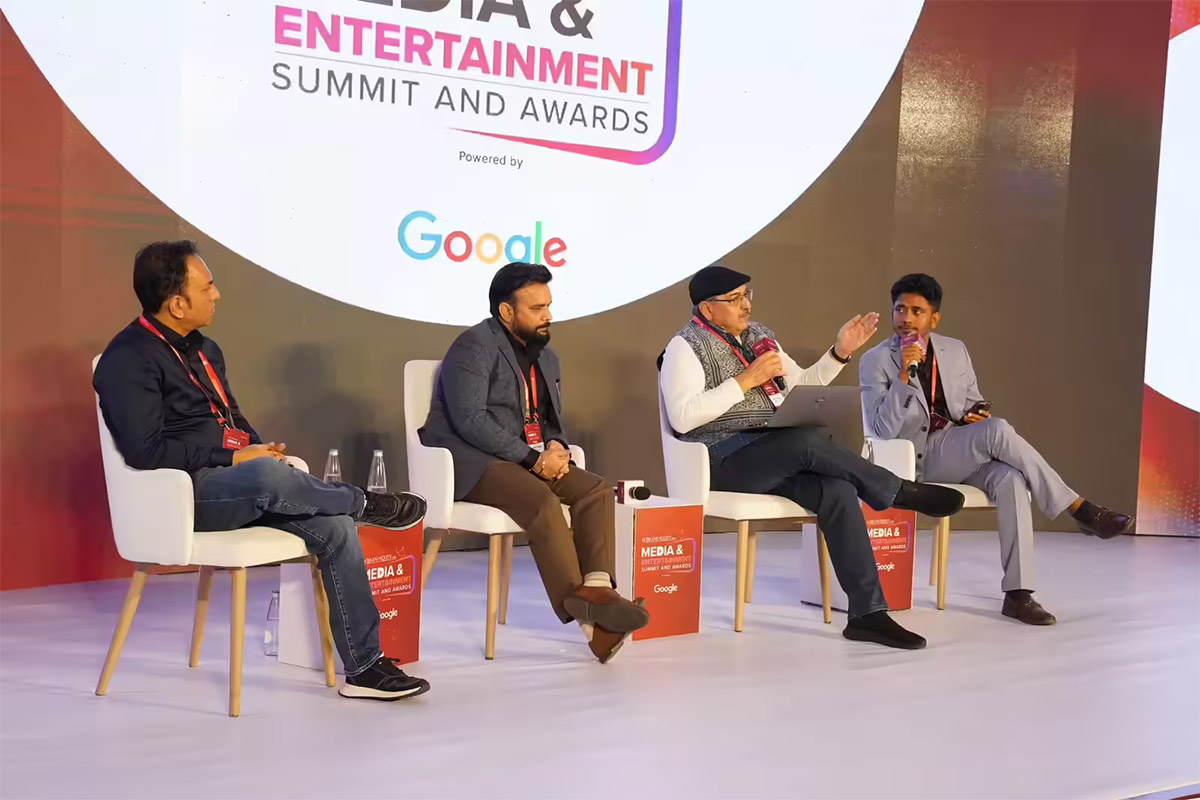
The challenge now is whether Indian animation can carry these inheritances forward without becoming formulaic. India has long had animation labour, technical skill and production capacity. The tougher question is whether it can create, own and sustain original animated worlds.
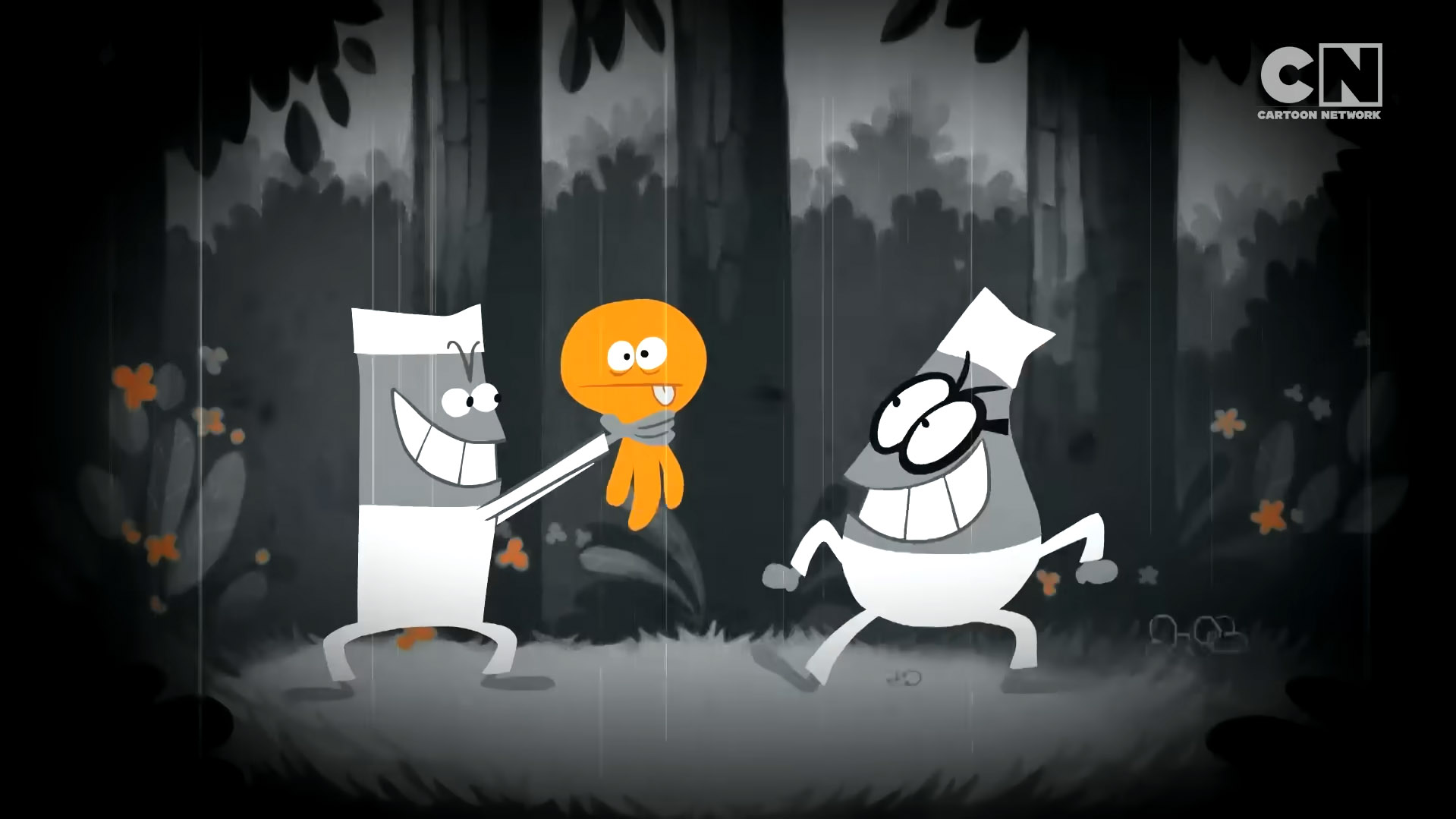
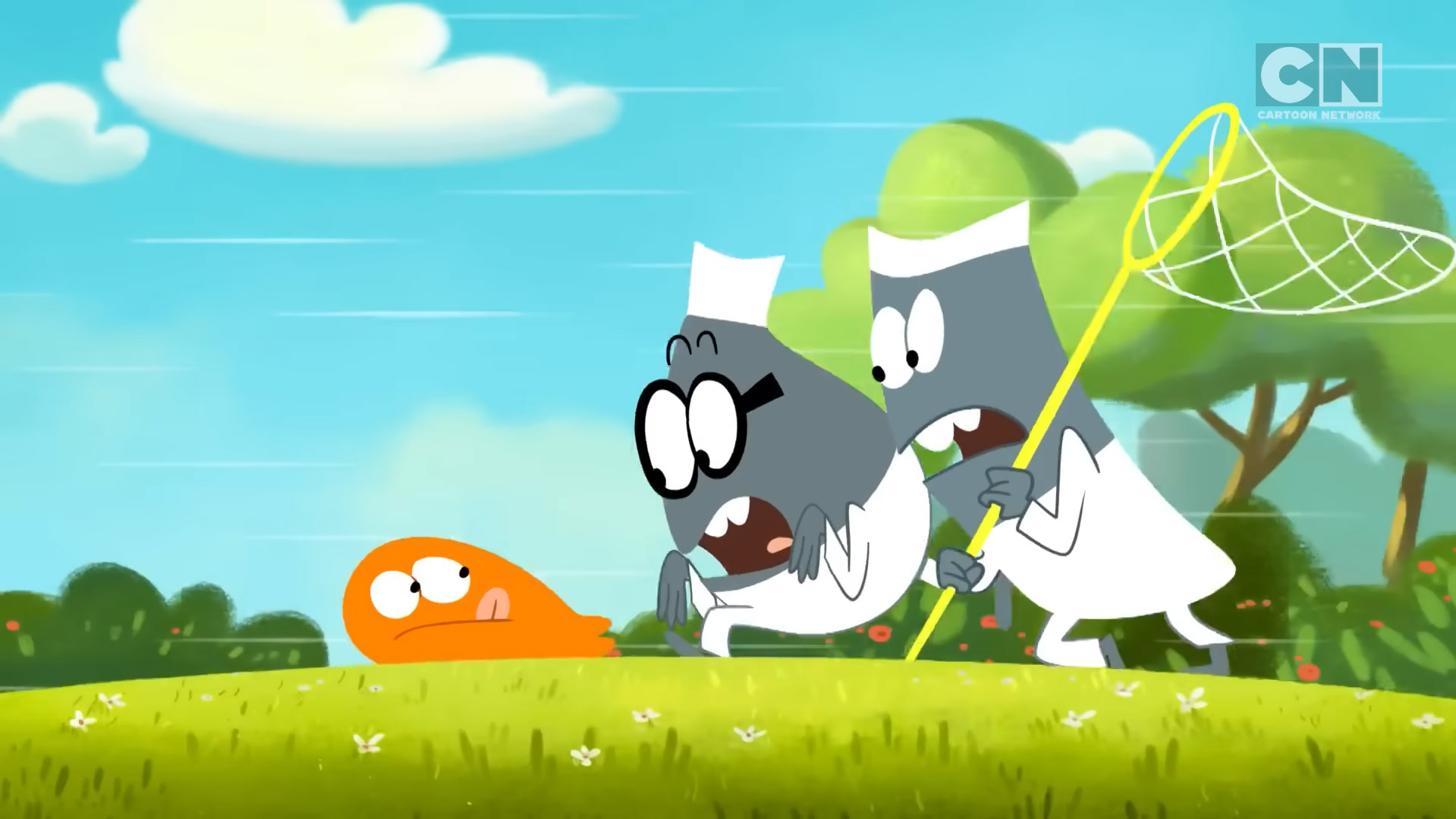
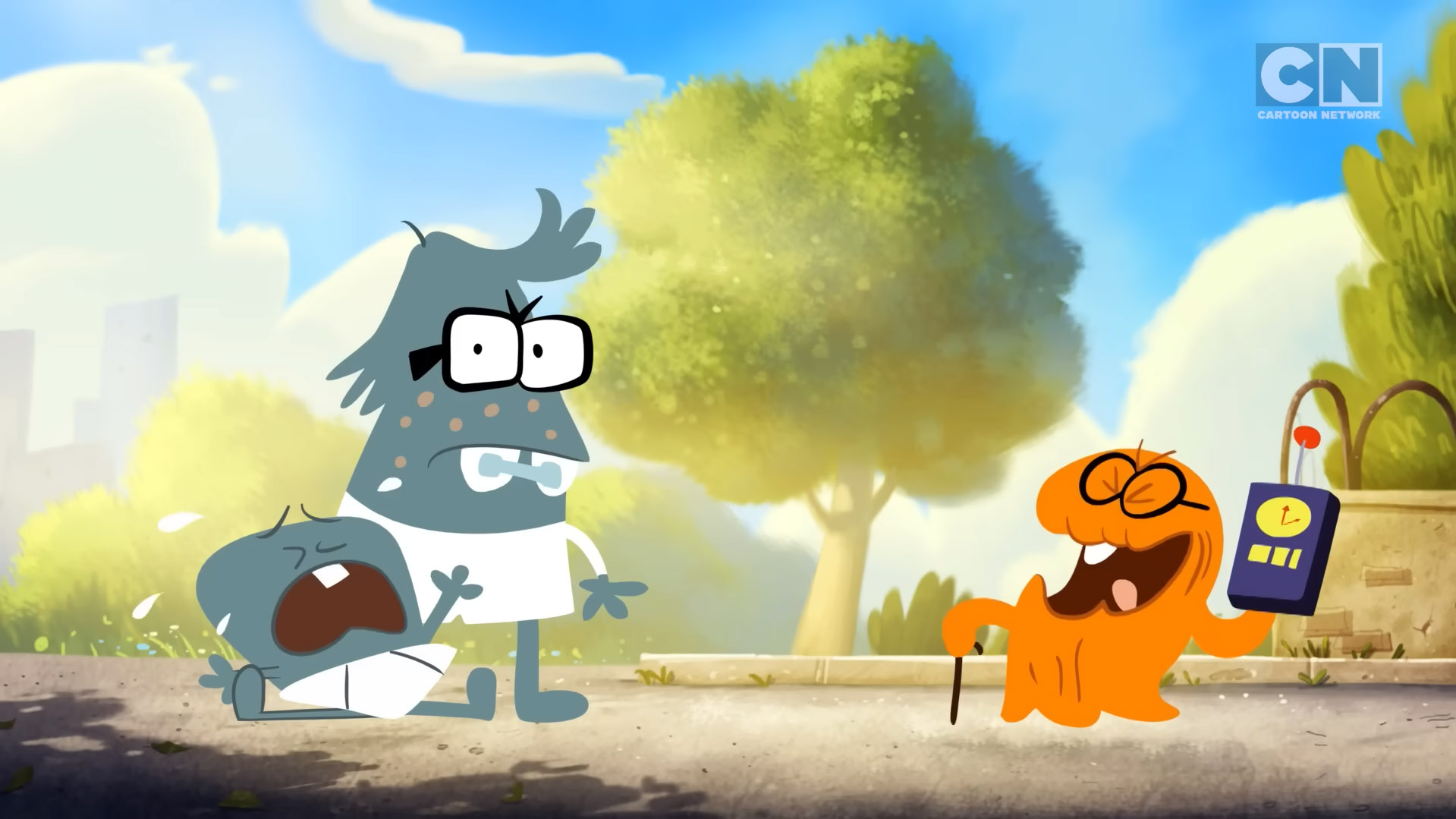
Lamput adds a useful complication to the question of Indian-ness. Created by Vaibhav Kumaresh and produced by Vaibhav Studios for Cartoon Network, the series follows a shape-shifting orange blob forever escaping two orderlies. It is nearly wordless, built on chase, transformation, timing and slapstick rather than culturally specific dialogue. And yet its significance to Indian animation is considerable: Lamput – Season 2 was nominated at the 2019 International Emmy Kids Awards in the Kids: Animation category. That makes Lamput a reminder that Indian animation does not always need to announce itself through blatantly visible cultural markers. Sometimes its achievement lies in craft discipline, comic timing, economy of form and the ability of an Indian-made original character to travel beyond language. And borders.
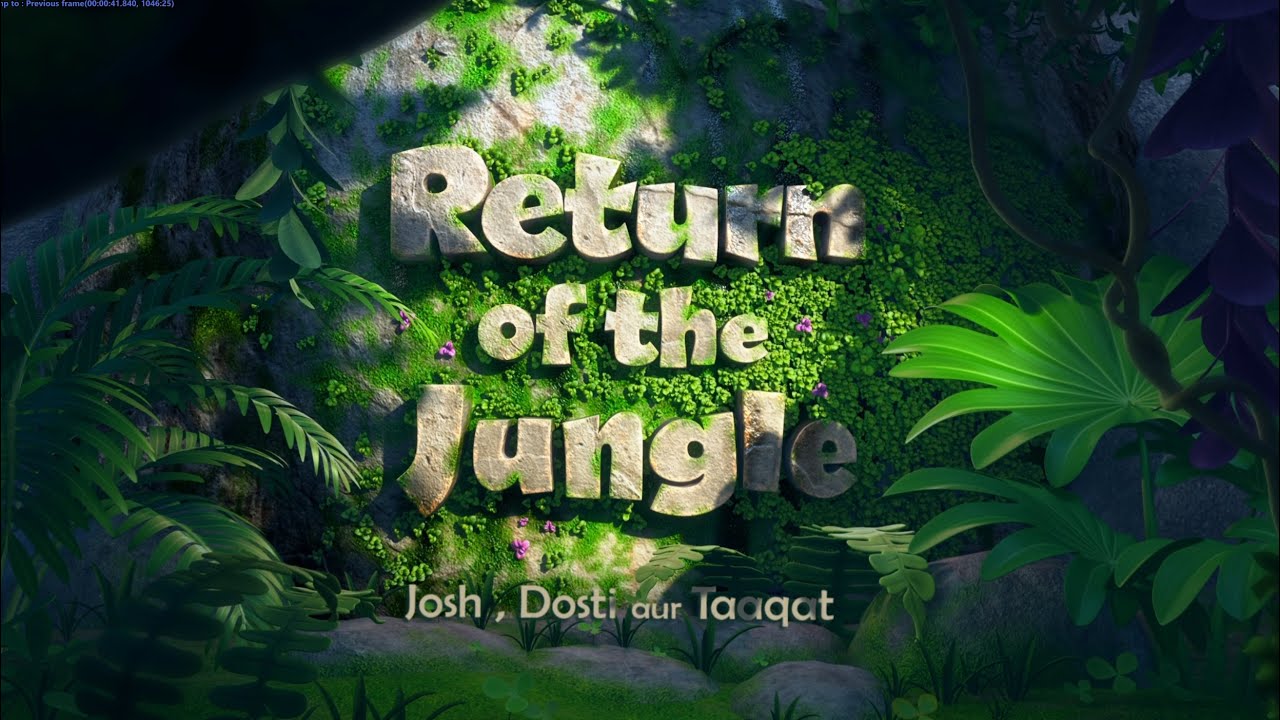
Vaibhav Studios’ upcoming feature Return of the Jungle, directed by Kumaresh, extends that creator-led ambition into theatrical territory. A 93-minute Hindi family entertainer rooted in contemporary Indian life, nostalgia, humour and jungle storytelling, recent reports describe it as a Panchatantra-inspired animated feature set for a nationwide theatrical release on May 29, 2026. In the context of this article, its importance is that the film appears to be attempting a balance Indian animation often struggles with: local memory, Indian storytelling inheritance, music, humour and theatrical scale, without being boxed into either mythological spectacle or small-format children’s content.
The success of Mahavatar Narsimha belongs in this industry conversation too. It does not solve the structural challenges around original IP, theatrical appetite or sustained franchise-building, but it does expand the imagination of what Indian animated cinema can attempt at the box office.
A 2026 ET BrandEquity report on the ET M&E Summit framed the Indian animation industry as moving from a services hub toward an intellectual-property powerhouse, while noting the importance of original IP that can travel beyond single projects and balance technological efficiency with creative depth. Policy attention has also grown. A 2026 Press Information Bureau release on India’s creative industries says the AVGC-XR roadmap now focuses on talent development, original intellectual property, industry collaboration and international market access.
That future will not come from one source. Folk painting offers powerful visual grammars. Mythology gives Indian animation scale and emotional charge. Films like Bombay Rose show how the city itself can become an animated world. Lamput proves that Indian-made animation can travel without obvious cultural markers. Desi Oon shows how material, ecology and community can enter the very form of a film. Together, these examples suggest that India is not a single aesthetic. It is a richly flavoured khichadi of contradictions, places, images, gestures, memories, jokes, worries, songs and, of course, gods.
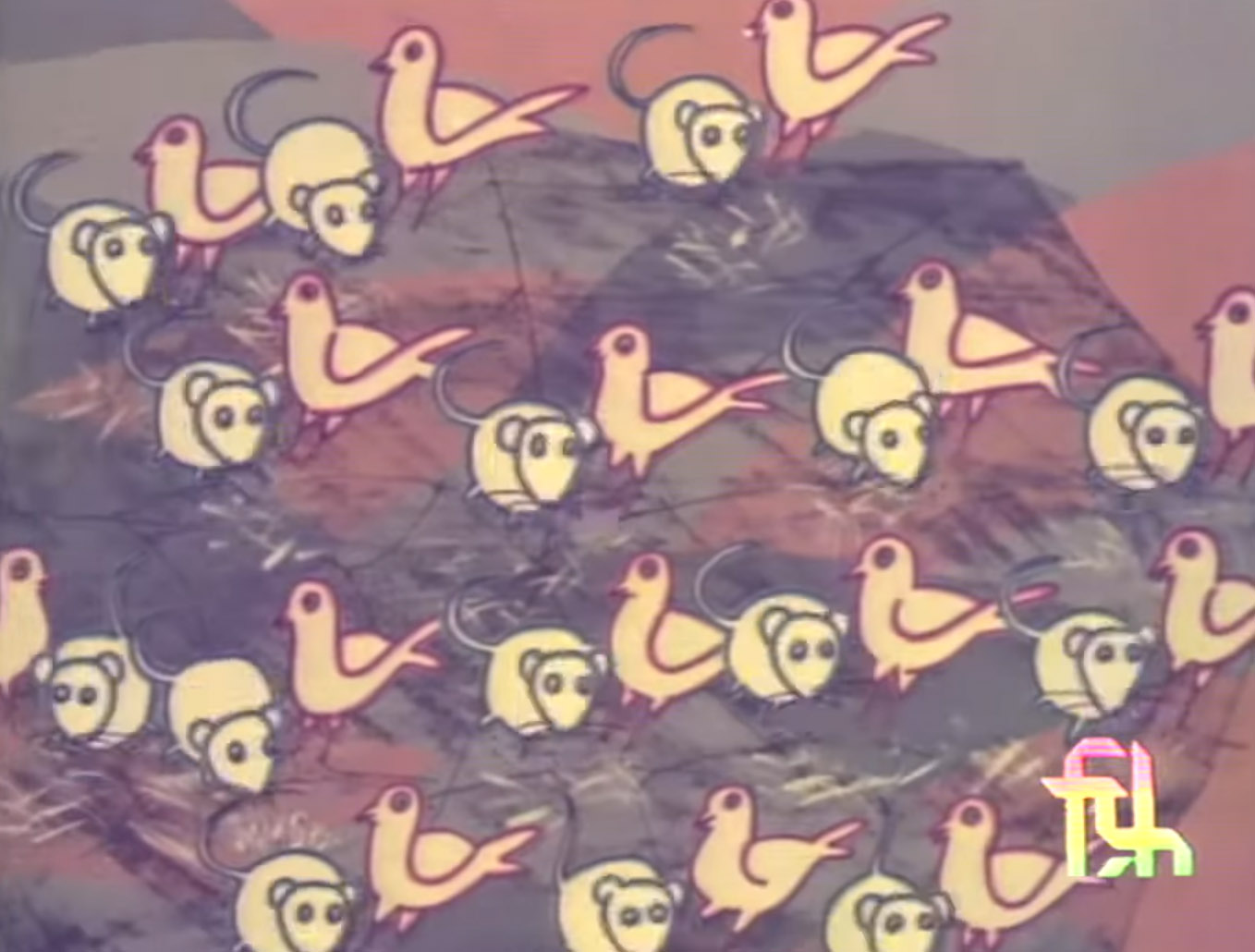
So, in a way, the lessons inherent in Indian animation may be represented by Ek Anek aur Ekta - one bird, many birds; one voice, many voices. The future truly lies in balancing knowledge, curiosity, daring, skill and nuance.
Sources & References: