
Carmond Infinity and the Making of Maayan
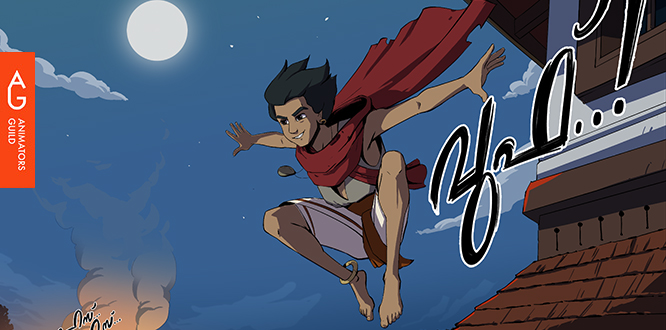
Carmond Infinity Creative Studio was founded in Kochi in 2020 by Ananthakrishnan TU, and built on pre-production contracts, i.e. work for animation studios including Toonz and Reliance, but the plan was always to eventually make something of its own. It was driven by the kind of ambition that service work tends to defer rather than abandon.
The route there moved through a mobile game for the Netflix film Minnal Murali, through title animations for Made in Korea, Sambhavam, Detective Ujjwalan, and Khakee Circus, and through the co-production of Kingarakavyam, a 15-minute 2D animated short made with National and State Award-winning director Rahul Riji. There was also Captain Raaj, a comic developed in association with Weekend Blockbusters.
Though not directly, Captain Raaj is where Maayan begins.
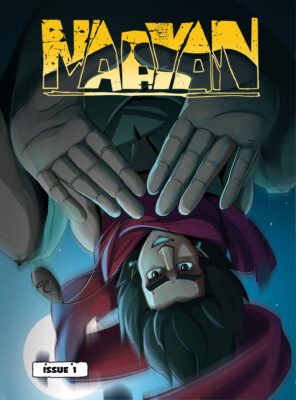
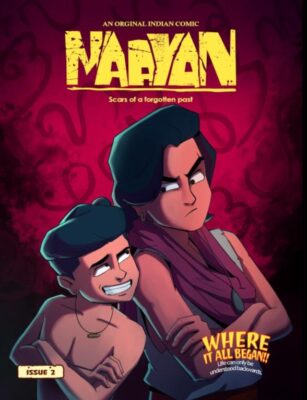
Ruksana CA came across the comic and passed it to Rijas Sulaiman Nalakath, an avid reader who was drawn to the idea of bringing this kind of storytelling to life. A meeting with the Carmond Infinity team followed, where the conversation became a collaboration, and the collaboration became Maayan, an original IP developed by Carmond Infinity and published under Maayan Publications Pvt Ltd, the company Rijas Sulaiman founded, leads and Ruksana manages.
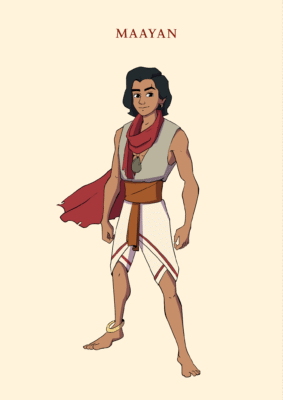
Set in a fantasy world built on Kerala's folklore, not a retelling, but an alternate version of reality with its own rules and timeline, Maayan was conceived from the start as a long-form story. More than 25 issues were envisioned before the first one was drawn, because the team understood how much space the world would need to come to life and flourish, and not because every storyline was mapped in advance. One of the unseen truths of a project like this is that characters take time to develop and rules reveal themselves to the creators gradually. Five issues in, the narrative is still near its beginning.
Three leads handle and share the burden of creative direction - Visakh PK as Creative Director, responsible for the narrative and visual direction of the project; Visakh VM as Co-writer, Animation Director and Head of Production, overseeing execution and the production pipeline; and Ananthu Ajith as Preproduction Director, driving concept development, storyboarding, and foundational design. A project with more than 20 issues still ahead of it needs clear ownership at each stage, so the structure was built for sustained output.
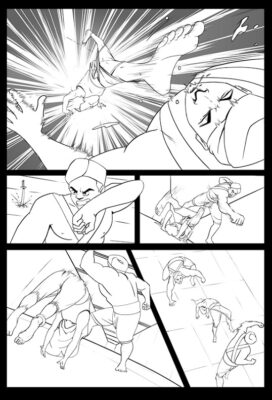
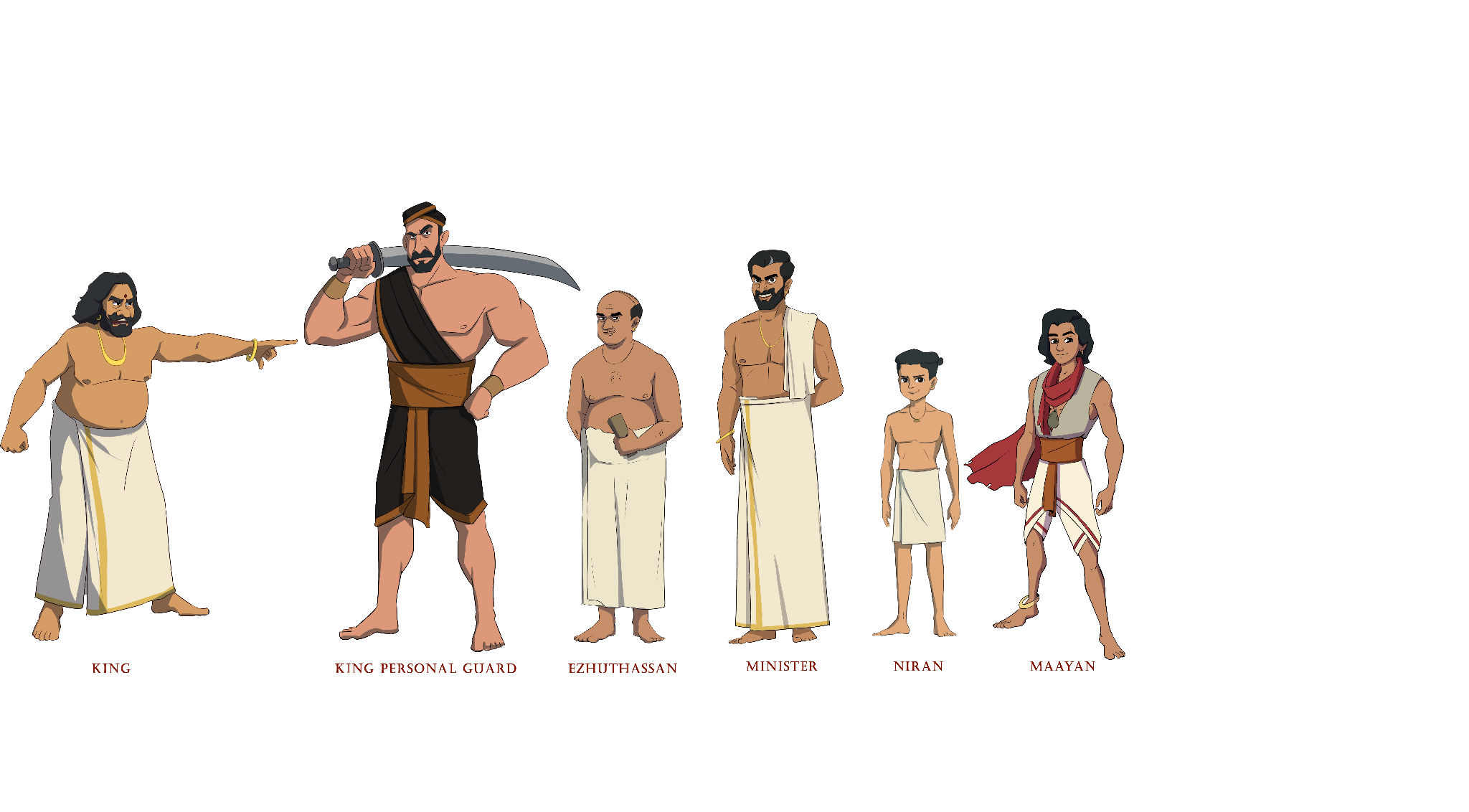
Visual design for the comic was developed by Ram, whose approach to character design, inking, and colour was calibrated from the outset for consistency across a long run without sacrificing visual appeal. There’s a wide spectrum of influences at work too: the dynamic visual register of Western comics and the serialisation discipline of Japanese manga both shape and guide how the pages are constructed. But the story was always intended to be and feel Indian in its narrative, themes, and emotional register, the influences absorbed rather than imitated.
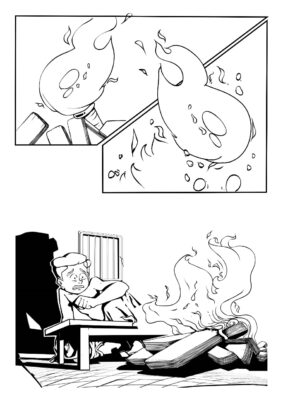
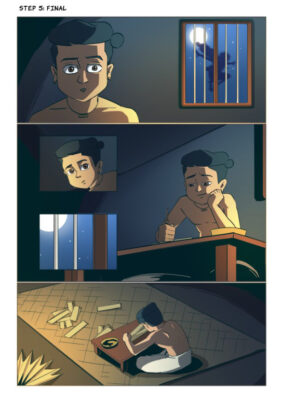
One of the more considered decisions in how Maayan is made concerns the relationship between storyboarding and panelling. In many comic pipelines, a single artist handles both but Carmond Infinity separates them. The storyboard artist interprets a script in terms of composition, framing, and visual beats; the panelling artist then works with those boards to shape the flow and readability of the page. Giving each stage to a different person opens the work to more creative input at each point while keeping the overall narrative intent intact.
The scripts themselves start taking shape as a collective effort. Writers and creatives map the larger arc together, character journeys, plot intersections, the shape of the story across multiple issues. An individual writer then takes responsibility for a specific issue, developing it to a full script before it is transcreated into other languages. From there, storyboarding, panelling, inking, base colour, final rendering, and lettering each follow in sequence, with a consistency check before an issue goes out.
Interestingly enough, the world has contributed ideas or “happy accidents” that the team did not plan for. Once the rules and timeline of Maayan were established, the writers found new directions suggesting themselves from within those constraints, storylines and character arcs that emerged during writers' room discussions and fitted the internal logic of what had been built without having been anticipated. In the team's account, these felt more like natural discoveries, with the world finding its own coherence, and less like forced, awkward inventions.
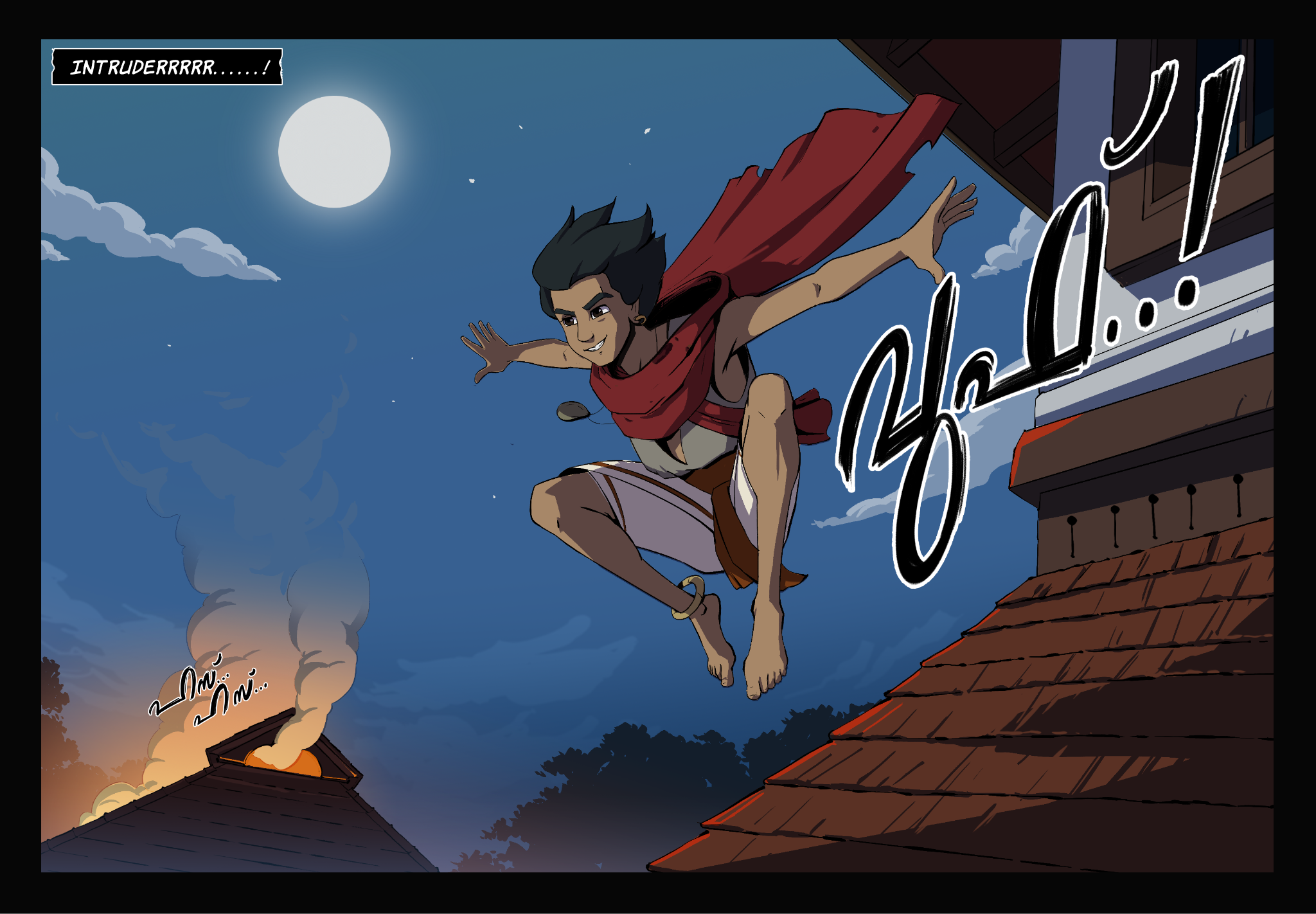
Work has begun on an animated adaptation and a game, both at an early stage of development. The studio is not in a rush. The intention is for each format to approach the same world from a different angle, the comic carrying the narrative, animation giving the characters another form of visual life, the game introducing direct engagement with the world. Building the readership for the comic is the current focus, on the basis that the strength of what follows depends on the foundation being solid.
Maayan has more than 20 issues still ahead of it, and there’s a lot to look forward to as it gradually unfolds into a much bigger experience.
Maayan Comics

CARMOND INFINITY